

“Cash App linkables” or “linkable cards” are underground fraud terms, not official Cash App product categories. In scam and carding communities, the words are commonly used to suggest that a debit card can be added or linked to a Cash App account and then used as a funding source.
The phrase is designed to make stolen or questionable payment credentials sound tested, usable or more valuable. A seller may claim a card is “linkable,” “verified,” or “ready,” even though the buyer has no legitimate right to use it and the card can still be declined, blocked, disputed or reported stolen.
Cash App’s current Terms use ordinary language instead: a customer may link an external debit card or bank account, but by doing so the user represents that they are an authorized user of that payment method. This is very different from underground “linkable” claims.
Quick answer: A “Cash App linkable” is fraud-market slang for a card that someone claims can be added to Cash App. It is not an official Cash App label, does not prove ownership, does not guarantee a payment will succeed, and can be used as bait in scams targeting both buyers and the original cardholder.
Safety scope: This article explains the terminology and scam risks. It does not provide live card sellers, issuer targets, card-selection criteria, linking procedures for stolen cards, testing methods, or ways to bypass Cash App or issuer controls.
What Does “Cash App Linkable” Mean?
In legitimate Cash App use, customers can connect supported external accounts and cards to fund eligible activity. Cash App’s Terms call these Linked Accounts and External Cards.

In criminal slang, “linkable” tries to turn that normal feature into a fraud characteristic. The seller is claiming that a particular card can be attached to Cash App without being rejected immediately.
What Cash App Actually Requires for a Linked Debit Card
- Cash App’s Terms say a linked external card must be valid and issued by a U.S. financial institution.
- The card must bear a supported network logo under the applicable terms.
- The person linking the card represents and warrants that they are an authorized user of that card.
- Cash App can limit funding sources, block transactions, or take other action when activity violates its terms, network rules, or law.
Why “Linkable” Does Not Mean Legitimate
Fraud claim | What it actually proves | Why it is misleading |
|---|---|---|
“It links, so it is valid.” | At most, the card was not immediately rejected in one context. | A card can later be blocked, disputed, or fail on another transaction. |
“Linkable means verified.” | Nothing about lawful ownership. | Cash App’s Terms require the user to be an authorized user of the external card. |
“Linkable means safe from fraud detection.” | Nothing. | Cash App says it uses 24/7 fraud monitoring and real-time transaction review. |
“A linked card will keep working.” | Nothing about future status. | The issuer or cardholder can freeze, replace, or dispute the card. |
Why Fake “Linkable Card” Offers Target Buyers
Underground sellers use “linkable” as a marketing label. The word makes a stolen credential sound tested and ready for immediate use, which can pressure buyers into paying quickly.
- The seller claims the card is already tested or “verified.”
- The offer promises unusually high reliability.
- The buyer is pressured to pay before the listing disappears.
- Screenshots or fabricated proof are used to create confidence.
- The seller offers replacements or guarantees that may be meaningless.
Fake Vendors Can Scam the Buyer Too
Criminal marketplaces have no reliable consumer protection. A fake vendor can take money and deliver nothing, recycle dead credentials, sell the same card repeatedly, or distribute malicious files disguised as tools.
This creates two layers of victimization: the original cardholder whose payment information was stolen, and the person who pays an underground seller for a fake or unusable product.

Common Fake “Linkable” Offer Patterns
Scam pattern | How the deception works |
|---|---|
Fabricated proof | Screenshots or edited images are presented as evidence that a card can be linked. |
Recycled credentials | Old or already-blocked card details are resold as “fresh.” |
Impersonated vendor | A scammer copies the identity or branding of a known underground seller. |
Fake replacement guarantee | The seller promises replacements but disappears after payment. |
Malware attachment | A supposed checker or account tool actually steals the buyer’s credentials. |
Exit scam | A vendor builds reputation, collects payments, then vanishes. |
Why a Temporarily Accepted Card Can Still Be Stolen
A stolen card can remain active until the legitimate owner or issuer detects the problem. That time gap can make a credential appear usable even though the person attempting to use it has no authorization.
Once the owner reports the card, the issuer can freeze or replace it, and earlier transactions may be reviewed or disputed.
The Original Cardholder Is the Main Financial Victim
“Linkable” listings describe someone else’s payment information as a commodity. The original cardholder may see unfamiliar charges, fraud alerts, card declines, or replacement notices even though they never used Cash App.
- Unexpected Cash App-related card transactions
- Issuer fraud alerts
- A suddenly blocked or replaced debit card
- Unauthorized activity on connected financial accounts
- Follow-up phishing attempts using stolen personal information
What If You See a Cash App Charge You Do Not Recognize?
- Open your bank or card issuer’s official app and review pending and posted activity.
- Contact the issuer using the official number on the card or statement.
- Report unauthorized charges promptly.
- Follow the issuer’s instructions for locking or replacing the card.
- If your Cash App account may also be involved, review account activity and contact Cash App Support through official channels.
Cash App Linkables vs Cash App Account Takeover
Term | What is compromised | Main risk |
|---|---|---|
“Linkable card” claim | A card or external funding source | Stolen-card misuse and downstream disputes |
Cash App account takeover | The user’s actual Cash App account | Unauthorized access, sends, settings changes, or linked-account abuse |
Fake payment scam | The victim’s perception of an incoming payment | Seller acts on a screenshot or message even though no valid payment arrived |
Cash App Linkables vs Cash App Carding
“Cash App carding” is a broader fraud label that can include stolen-card abuse, account takeover, fake payments, phishing, and other scam activity. “Linkables” is a narrower slang term about payment credentials supposedly capable of being attached to the app.
Why Cash App Fraud Controls Matter
Cash App says it uses 24/7 fraud monitoring, real-time scam warnings, encryption, Security Lock, instant card locking, and transaction alerts. These controls mean that an underground claim that a card is permanently “linkable” is especially unreliable.
- Every transaction can be reviewed in real time.
- Suspicious sends can trigger scam warnings.
- Users can require face, fingerprint, or PIN verification before moving money.
- Users can instantly lock Cash App Card activity.
- Cash App can investigate unauthorized transactions and eligible disputes.
Why Exact Fraud Thresholds Are Not Public
Payment platforms generally keep detailed risk thresholds private. Publicizing exact limits, device rules, or transaction patterns would help criminals tune attempts around those controls.

For that reason, a seller claiming to know a permanent “working linkable method” should be treated skeptically.
Warning Signs of a Fake Linkable-Card Offer
Warning sign | Why it is risky |
|---|---|
Guaranteed success | The seller promises a card will always link or work. |
“Verified” screenshots | Images are treated as proof even though they can be edited. |
Urgency | The buyer is told to pay immediately before stock disappears. |
Replacement promise | The vendor offers unlimited replacements without any legitimate warranty. |
Secret software | The buyer is told to install an unknown checker, browser extension, or app. |
Payment outside normal consumer protections | The seller insists on irreversible payment methods and anonymity. |
How Consumers Can Reduce the Risk of Stolen-Card Abuse
- Turn on transaction alerts for debit and credit cards.
- Review pending transactions frequently.
- Use unique passwords for banking, email, and payment apps.
- Enable strong authentication wherever available.
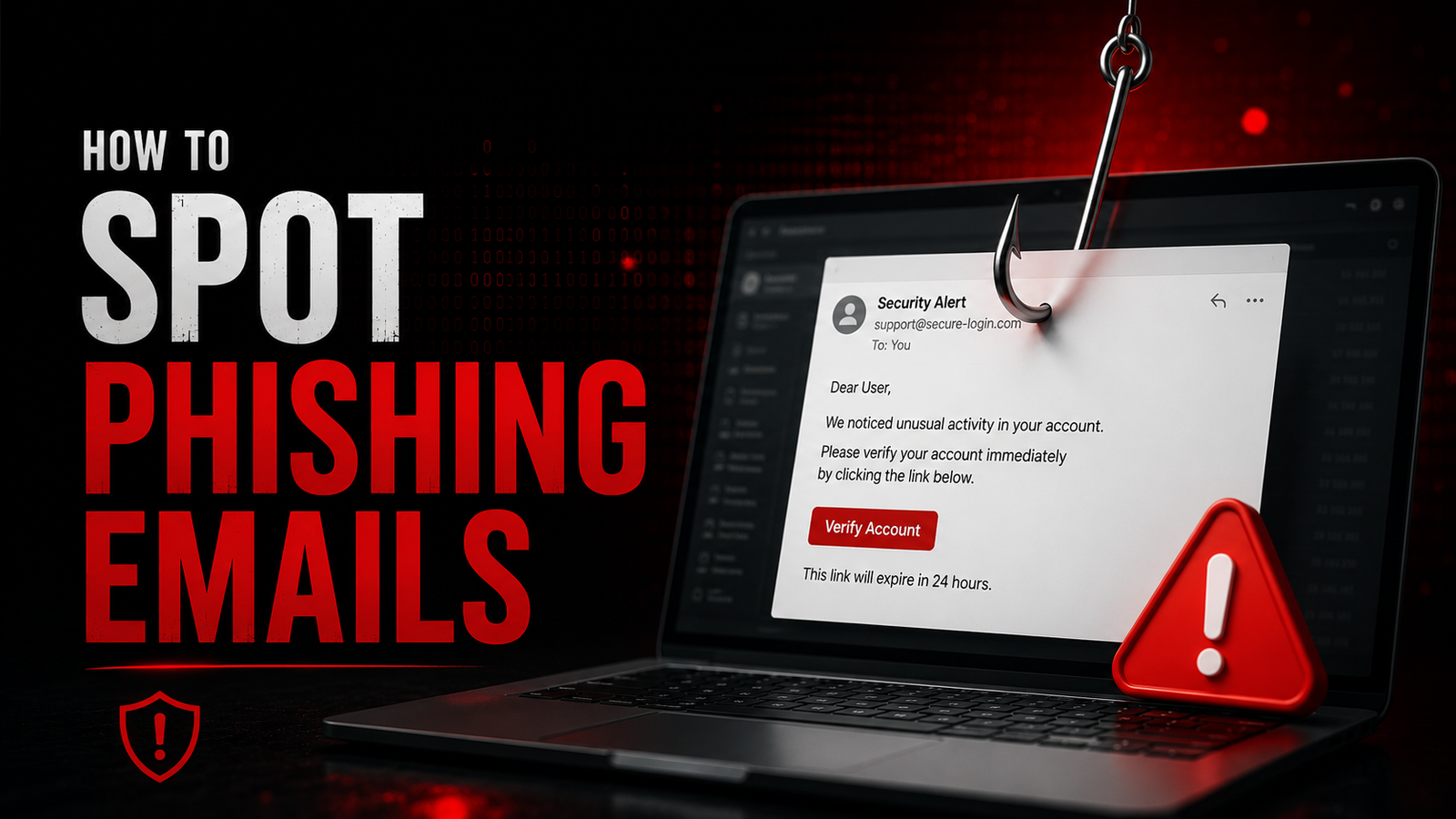
- Do not enter card information into unexpected links or forms.
- Contact the issuer quickly when a card may be compromised.
How Cash App Users Can Protect Their Accounts
- Enable Security Lock.
- Use real-time notifications.
- Do not share passwords, PINs, or sign-in codes.
- Use the official Cash App and Cash App website rather than links from unsolicited messages.
- Lock the Cash App Card immediately if its details may be compromised.
- Use in-app Support or Cash App’s official support number when something looks wrong.
What to Do If You Were Targeted by a Fake Card Vendor
Do not continue the transaction or install any files supplied by the seller. If you shared account credentials or installed unknown software, secure the affected accounts and devices immediately.
- Stop contact with the vendor.
- Change any passwords you exposed.
- Enable Security Lock and account alerts.
- Scan the device if you installed unknown software.
- Contact your bank or payment provider if financial information was shared.
- Report fraud or identity theft through the appropriate official channels.
Frequently Asked Questions
What are Cash App linkables?
It is underground fraud slang for cards that sellers claim can be linked to Cash App. It is not an official Cash App category.
Does “linkable” mean a card is legitimate?
No. It does not prove ownership, authorization, or long-term usability.
Can Cash App link an external debit card?
Yes, for legitimate use. Cash App’s Terms say the person linking an external card represents that they are an authorized user of that card.
Why do fake vendors use the word “verified”?
It makes the listing sound tested or higher quality, but underground verification claims have no independent guarantee.
Can a supposedly linkable card later be blocked?
Yes. The issuer or cardholder can freeze, replace, or dispute the card, and Cash App can apply its own controls.
Are fake linkable-card listings common scam bait?
They can be. Fraud sellers can fabricate screenshots, recycle dead credentials, impersonate vendors, or disappear after payment.

What if I see a Cash App charge on my card statement that I did not make?
Contact the card issuer promptly through an official channel and report the unauthorized transaction.
Is buying stolen linkable cards illegal?
Buying or using stolen payment credentials can involve serious fraud and identity-theft offenses.
How does Cash App help prevent fraud?
Cash App says it uses 24/7 fraud monitoring, real-time scam warnings, encryption, Security Lock, account alerts, and card-locking controls.
Should I install a “linkable checker” from an underground vendor?
No. Unknown software offered in criminal markets can contain malware or credential stealers.
Final Thoughts
“Cash App linkables” is a criminal-market sales label built around a legitimate feature: connecting an external payment method to an account.
The label does not prove lawful ownership, payment authorization, or protection from later disputes. It can also be used as bait by fake vendors who exploit people seeking stolen payment information.
For fraud awareness, the useful lesson is to ignore underground labels and focus on authorization, strong account security, transaction monitoring, and rapid reporting when payment information may be compromised.
Authoritative References
- Cash App - Terms of Service
- Cash App - Security
- Cash App - How to Spot and Avoid Scams
- Cash App - Common Scams Guide
- Cash App - What to Do If You Get Scammed
Editorial note: This article is educational and defensive. It explains “linkable card” terminology, fake-vendor scams, victim risks, and prevention without providing stolen-card sources, issuer targeting, card-selection criteria, verification bypasses, testing procedures, or unauthorized-payment techniques.