


Introduction
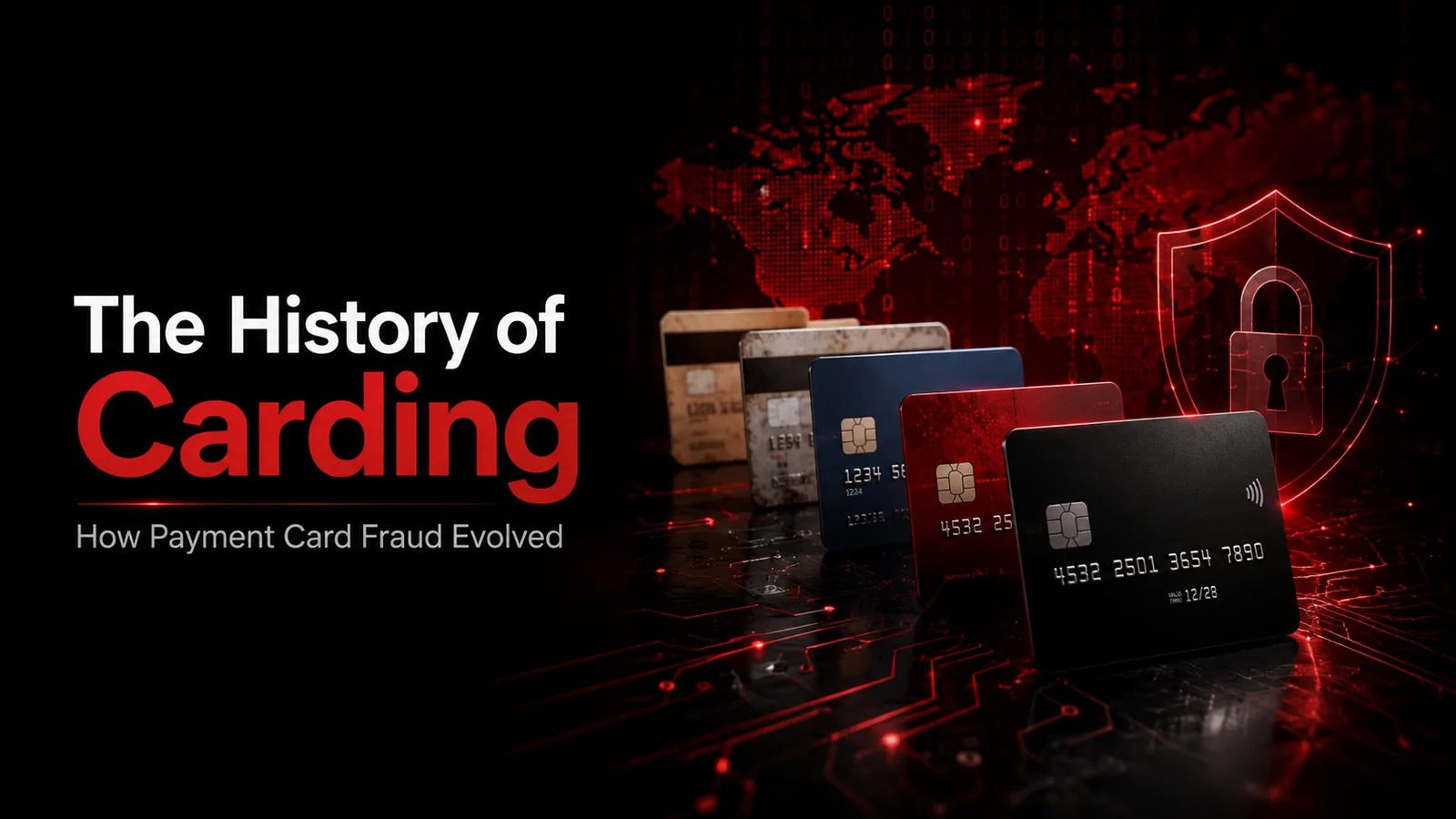
Carding did not begin with the dark web, cryptocurrency, or modern e-commerce. Payment-card fraud evolved alongside the payment-card industry itself. As cards became easier to use, more widely accepted, and increasingly connected to electronic systems, criminals adapted to the same technological changes.
The history of carding is therefore best understood as a history of payment innovation and criminal adaptation. Early fraud often depended on stolen physical cards or altered account information. Magnetic stripes made automated transactions possible but also introduced new data-theft risks. E-commerce later created a world in which a criminal no longer needed to possess the physical card to attempt an unauthorized transaction.
The payment industry responded with stronger controls: authorization networks, card verification features, EMV chip technology, PCI DSS, tokenization, fraud analytics, and EMV 3-D Secure. Each generation of defenses changed the economics and methods of payment fraud.
This article traces that evolution from the birth of modern multipurpose cards to today’s digital payment-security environment. It is written for fraud awareness and defensive education and does not provide instructions for committing payment fraud.
Before Modern Credit Cards: Fraud Followed the Payment Method
Fraud involving credit and payment instruments existed long before modern plastic cards. Merchants historically faced forged checks, stolen account books, falsified identities, and other forms of financial deception.
What changed in the mid-20th century was scale. A standardized payment card could be accepted across many merchants, creating enormous convenience for consumers and businesses. The same interoperability also meant that a stolen or compromised credential could potentially be useful outside the place where it was originally issued.
1950: The Multipurpose Charge Card Arrives
Diners Club identifies 1950 as the year it launched the world's first multipurpose charge card. Its history records that the network expanded quickly, reaching tens of thousands of members and becoming internationally accepted by 1953.
This was a major change from earlier store-specific credit arrangements. A single credential could now be presented at multiple participating merchants.
The convenience was revolutionary, but it also created a permanent security challenge: merchants needed a reliable way to determine whether the person presenting a card was entitled to use it.
1958: BankAmericard and the Expansion of General-Purpose Credit
In 1958, Bank of America launched BankAmericard, which later became Visa. Visa's own corporate history identifies BankAmericard as the first card in its network with a revolving-credit feature, while the Smithsonian describes it as an early general-purpose revolving credit card.
As general-purpose credit cards expanded, fraud was no longer a problem confined to one store or one local account. Payment networks connected issuers, merchants, and consumers across much larger geographic areas.
The security problem increasingly became one of identity, authorization, and rapid communication: Is this card valid? Is the account open? Is the person using it authorized?
The Early Physical-Card Fraud Era
Early card fraud was heavily tied to the physical object. A lost or stolen card could be presented at a merchant before the issuer or merchant knew it had been compromised.
Merchants relied on signatures, printed account information, paper records, telephone authorization, and eventually electronic authorization systems. Fraud prevention was often slower and more manual than it is today.
Criminal activity in this era commonly revolved around stolen cards, altered cards, forged signatures, and attempts to exploit delays in the authorization process. The specific techniques changed as card networks became more automated.
The Magnetic Stripe Changes Everything
IBM traces the modern magnetic stripe to work in the early 1960s, when engineer Forrest Parry developed a practical way to attach magnetized tape to a plastic card. IBM notes that magnetic-stripe technology was rapidly adopted in banking, retail, and transportation.
The magnetic stripe helped make electronic card authorization practical. Instead of relying entirely on information printed on the card, payment terminals could read encoded data and send transactions through computerized networks.
This transformation greatly improved speed and convenience. But storing reusable account information in machine-readable form also created a new target: the payment data itself.
Over time, fraud increasingly involved not only stealing cards but also copying or compromising the data associated with them.
ATMs, Electronic Terminals, and Networked Payments
The growth of automated teller machines and electronic point-of-sale systems in the 1960s and 1970s pushed payments further into the digital age. IBM notes that magnetic-stripe technology became foundational to ATM networks and electronic debit and credit transactions.
Payment authorization became faster, and issuers gained a better ability to approve or reject transactions in real time.

At the same time, criminals increasingly targeted payment terminals, account credentials, and the infrastructure surrounding electronic transactions. Fraud and fraud prevention were becoming technological disciplines.
From Stolen Cards to Stolen Card Data
As card transactions became increasingly electronic, the valuable object began to shift from the plastic card to the information connected to the account.

A physical card can be cancelled when reported missing. Compromised account data, however, can potentially be copied, transmitted, and reused until the issuer detects the compromise and replaces or restricts the credential.
This transition is central to the history of carding. The term became associated less with possession of a stolen piece of plastic and more with the unauthorized use of compromised payment-card information.
The Internet Creates the Card-Not-Present Era
The growth of internet commerce in the 1990s and 2000s fundamentally changed payment fraud. A customer could now purchase from a merchant without physically presenting the card.
That convenience created the card-not-present, or CNP, security problem: how can a remote merchant determine whether someone entering payment credentials is the legitimate cardholder?
A fraudster no longer necessarily needed a counterfeit physical card. Compromised account information could potentially be used remotely, while the legitimate customer still possessed the card.
This shift helped move carding toward the online environment and made authentication, device intelligence, transaction monitoring, and payment-page security increasingly important.
Carding Communities Move Online
As internet access expanded, criminals also gained new ways to communicate. Underground forums and marketplaces developed around stolen credentials, malware, identity information, and payment-card data.
Europol has described forums, marketplaces, and automated card shops as parts of the payment-fraud ecosystem in which compromised card information can circulate.
The internet therefore did more than create online shopping. It also allowed criminal specialization. One group could obtain data, another could distribute it, and another could attempt to monetize it.
This specialization helped transform carding from isolated local fraud into a more organized and international cybercrime problem.
Large Data Breaches Change the Scale of Carding
As merchants and service providers stored more payment and customer information electronically, large data breaches created the possibility of exposing enormous numbers of accounts at once.
Instead of a criminal stealing one wallet, a compromised database or payment environment could potentially expose information associated with thousands or millions of customers.
This change in scale pushed payment security toward stronger data-protection standards, network segmentation, encryption, monitoring, access controls, and reduced storage of sensitive account information.
2004: PCI DSS Creates a Common Security Baseline
The Payment Card Industry Data Security Standard, or PCI DSS, emerged as the payment industry sought a more consistent approach to protecting account data.
PCI SSC states that PCI DSS was developed to improve payment-card account-data security and encourage consistent data-security measures worldwide.
The standard established a common baseline for organizations that store, process, or transmit payment-account data. Its requirements address areas such as secure systems, access control, vulnerability management, logging, monitoring, and protection of cardholder data.
PCI DSS did not eliminate carding, but it helped shift the industry's focus from reacting to individual fraudulent transactions toward protecting the environments from which card data could be stolen.
EMV Chip Technology Changes Card-Present Fraud
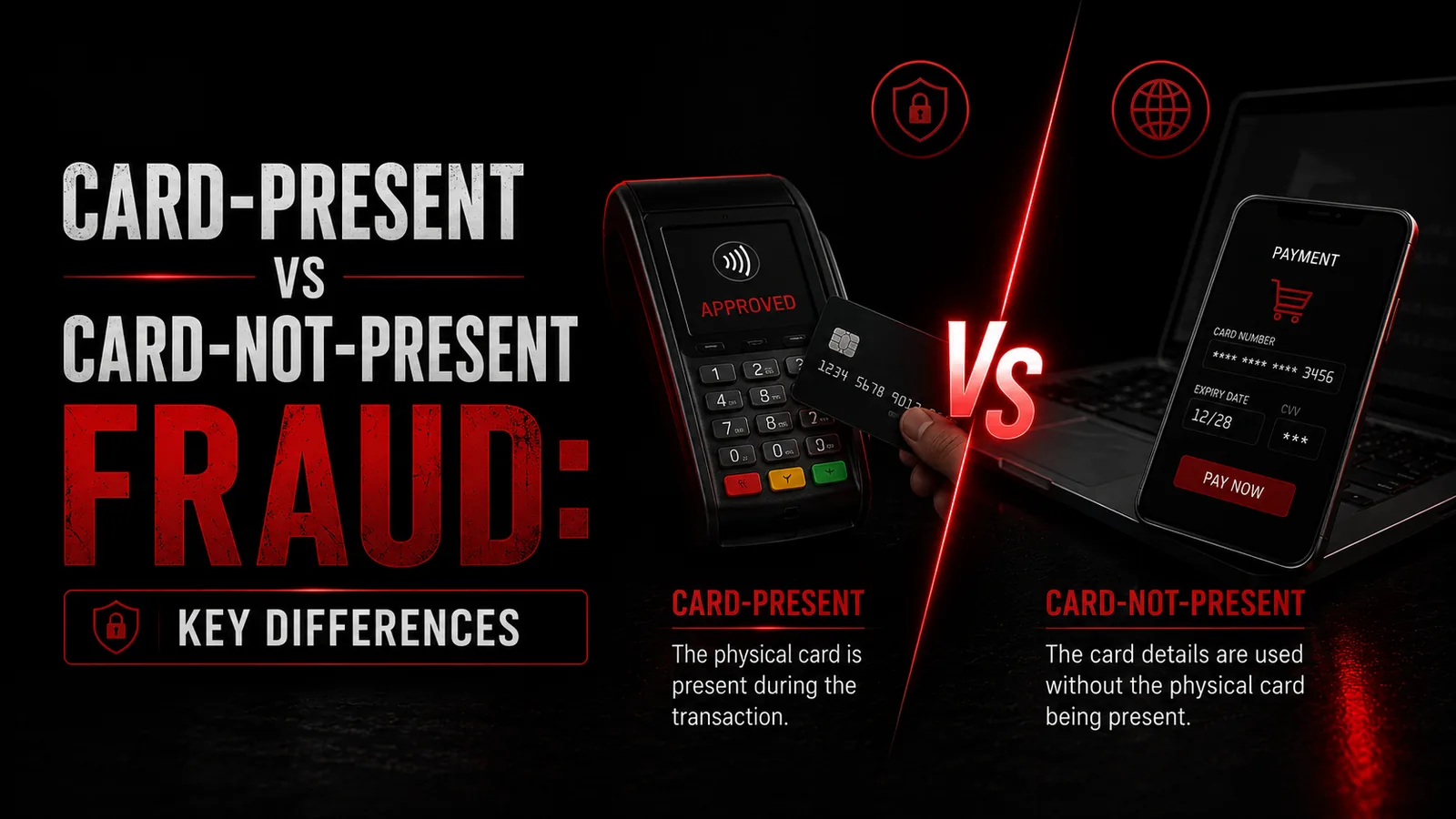
Magnetic-stripe data is comparatively static. EMV chip technology introduced dynamic transaction security for in-person card payments.
EMVCo explains that EMV contact-chip technology validates the authenticity of a card and generates a one-time security code for each transaction. This makes traditional counterfeit-card fraud significantly more difficult than in magnetic-stripe-only environments.
The widespread adoption of EMV changed fraud patterns. When one form of fraud becomes harder, criminals often shift toward channels where authentication remains weaker.
That helps explain why protecting e-commerce and other card-not-present channels became increasingly important as chip security improved at physical terminals.
The Rise of E-Skimming and Payment-Page Attacks
As e-commerce grew, the checkout page itself became a valuable target. Instead of compromising a physical terminal, attackers could attempt to compromise websites or third-party scripts involved in online payment flows.
This category of threat is commonly called digital skimming or e-skimming. PCI SSC has published specific guidance for protecting e-commerce payment pages and detecting unauthorized changes.
The evolution from physical skimming to digital skimming demonstrates a recurring pattern in payment-fraud history: criminals follow the point where valuable payment information is exposed.
Tokenization Reduces Exposure of the Real Card Number
One major defensive shift has been tokenization. Instead of repeatedly exposing the actual payment-card number throughout a transaction ecosystem, supported systems can substitute a token.
Tokenization does not make fraud impossible, but it can reduce the value of information exposed during certain compromises. If an attacker steals a token that is restricted to a particular device, merchant, or context, it may be less useful than the underlying account credential.
This reflects a broader change in payment security: rather than trying only to detect misuse after credentials are stolen, modern systems increasingly try to reduce how often sensitive credentials are exposed in the first place.
3-D Secure Evolves Online Authentication
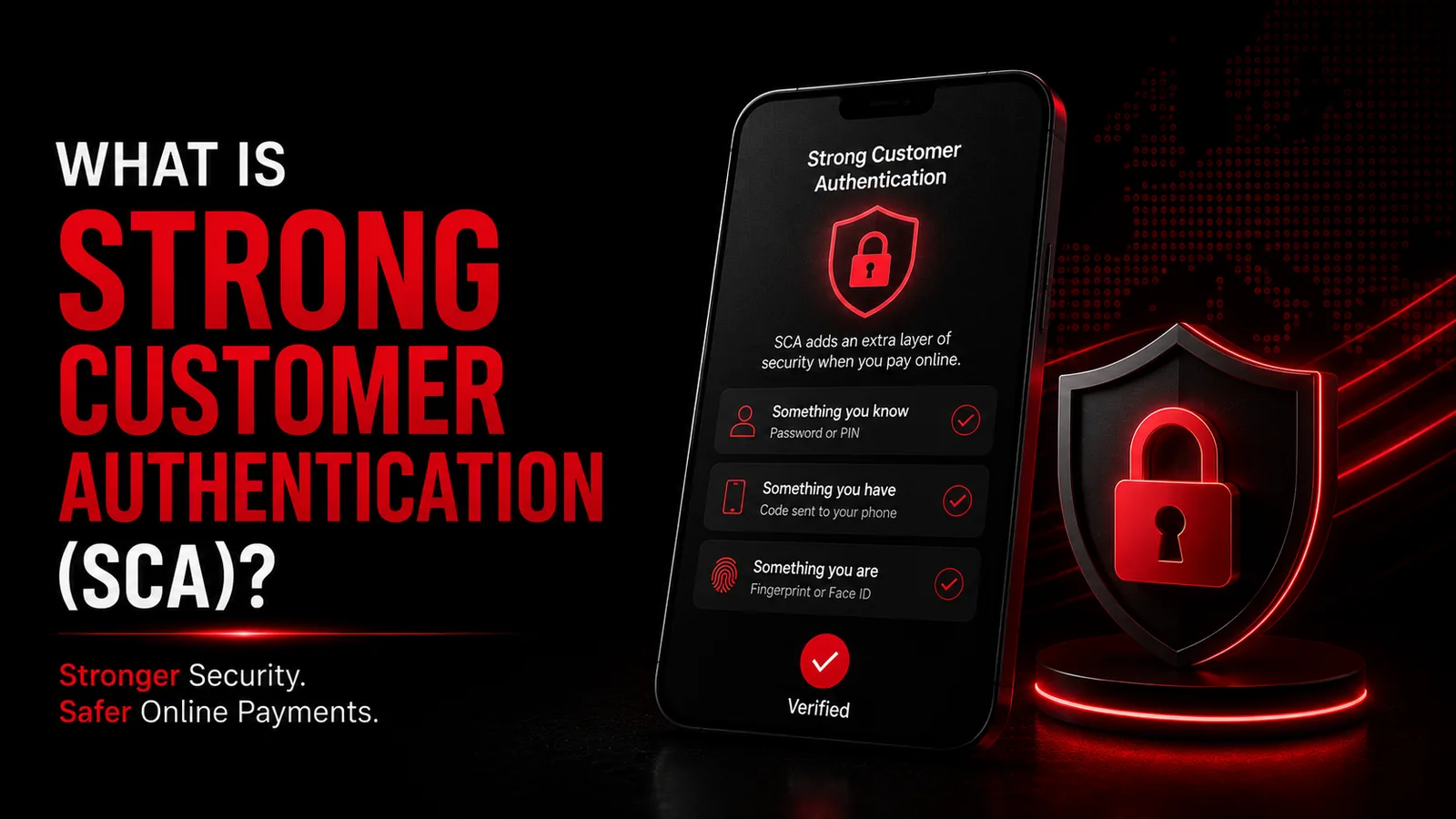
The payment industry also developed authentication specifically for card-not-present commerce. EMV 3-D Secure, or EMV 3DS, enables merchants and issuers to exchange information and authenticate customers during e-commerce transactions.
EMVCo says EMV 3DS helps issuers and merchants prevent card-not-present fraud and increase the security of e-commerce payments.
Modern versions are designed to support risk-based and, where appropriate, low-friction authentication. This reflects another major evolution: security systems increasingly evaluate context and risk rather than treating every transaction identically.

Fraud Detection Becomes Data Driven
Modern payment fraud prevention increasingly depends on analytics rather than one simple rule.
Banks, merchants, processors, and networks may analyze transaction history, device information, account behavior, authentication outcomes, location signals, transaction velocity, and other indicators to estimate risk.
Machine learning and large-scale fraud analytics allow institutions to identify patterns across enormous transaction volumes that would be difficult for human reviewers to detect manually.
The goal is not simply to decline more transactions. Effective fraud prevention must distinguish criminal activity from legitimate customers while minimizing false declines.
The Mobile Wallet and Contactless Era
Digital wallets and contactless payments introduced another shift. A consumer can now make a card-based payment without repeatedly exposing the original card number to every merchant in the same way traditional card transactions did.
EMVCo develops specifications supporting secure contact and contactless card-based payments, while tokenization is widely used across mobile and digital payment ecosystems.
This does not mean fraud disappears. Instead, criminals increasingly target account takeover, phishing, social engineering, compromised devices, and the process by which users authenticate themselves.
Carding in the 2020s
Modern carding exists inside a highly connected global fraud ecosystem. Compromised credentials may originate from phishing, malware, data breaches, account takeover, e-skimming, or other forms of compromise.
At the same time, payment defenses are stronger and more interconnected than at any previous point. Issuers can detect suspicious behavior in real time, merchants can use 3-D Secure and tokenization, and security teams can monitor checkout environments continuously.
Law-enforcement agencies also target criminal marketplaces and payment-fraud infrastructure. Europol and national agencies have repeatedly disrupted services involved in trading compromised financial information.
The result is an ongoing cycle: payment technology evolves, criminals look for weaknesses, defenders respond, and criminal activity shifts again.
A Timeline of Payment Card Fraud and Security
1950 - Diners Club launches a multipurpose charge card, helping establish the modern general-purpose card concept.
1958 - Bank of America launches BankAmericard, the program that later becomes Visa.

1960s - IBM develops practical magnetic-stripe technology, which is adopted across banking and retail.
1960s-1970s - ATMs and electronic point-of-sale networks expand, making card authorization increasingly computerized.
1990s - Internet commerce begins transforming card-not-present payments and remote fraud.
2000s - Online fraud forums, large data breaches, phishing, and organized credential markets increase the scale of carding.
2004 - PCI DSS establishes a common payment-account data-security framework.
2000s-2010s - EMV chip adoption expands globally, strengthening card-present transaction security.
2010s - Tokenization, mobile wallets, advanced fraud analytics, and modern 3-D Secure become increasingly important.
2020s - Payment security becomes more risk-based, real-time, tokenized, and identity-focused while fraud increasingly targets people, accounts, devices, and digital commerce infrastructure.
What Has Stayed the Same?
Despite enormous technological change, one principle has remained constant: payment fraud depends on convincing a payment system that an unauthorized transaction should be treated as legitimate.
In the paper era, that could mean presenting a stolen card and forged signature. In the magnetic-stripe era, it could involve compromised reusable card data. In the e-commerce era, the challenge increasingly centers on remote identity and authentication.
The technology changes, but the underlying security question remains the same: is the person initiating this transaction authorized to use this payment account?
What Changed Most?
The biggest historical change is scale. Early payment-card fraud was constrained by geography, physical cards, and slower communications.
Digital payment data can be copied and transmitted almost instantly. A compromised e-commerce system can potentially affect customers in many countries, and underground marketplaces can connect criminals who never meet each other.
At the same time, defenders also gained scale. Modern payment networks can analyze enormous volumes of transactions in real time, share risk signals, tokenize credentials, and disable compromised accounts quickly.
What the History of Carding Teaches Consumers
Consumers should not assume that keeping possession of a physical card is enough to remain safe. Modern fraud can involve compromised credentials, phishing, account takeover, or breached merchants.
Use transaction alerts, unique passwords, multi-factor authentication, trusted payment channels, updated devices, and prompt reporting of unauthorized activity.
The history of payment fraud shows that criminals repeatedly move toward whichever part of the payment process is easiest to exploit. Consumer awareness therefore remains an important layer of defense.
What the History of Carding Teaches Merchants
Merchants should treat payment security as an evolving process rather than a one-time compliance task.
Important defensive principles include minimizing stored payment data, maintaining PCI DSS controls, protecting payment pages, securing administrative access, using tokenization where appropriate, supporting strong authentication, monitoring transaction behavior, and keeping third-party software under review.
Every major era of payment fraud has demonstrated the same lesson: when payment technology changes, security controls must change with it.
Conclusion
The history of carding is ultimately a story of adaptation. Payment cards became more convenient, global, and digital, and fraud evolved alongside them.
The industry responded by moving from signatures and manual authorization to electronic networks, EMV chips, PCI DSS, tokenization, 3-D Secure, and real-time fraud analytics.
Modern payment security is therefore not built around one perfect technology. It depends on layers that protect credentials, authenticate users, secure payment environments, analyze transaction risk, and respond quickly when compromise occurs.
Understanding this history helps explain why today's payment systems look the way they do - and why security must continue evolving as commerce moves into new devices, channels, and forms of digital identity.