



Introduction
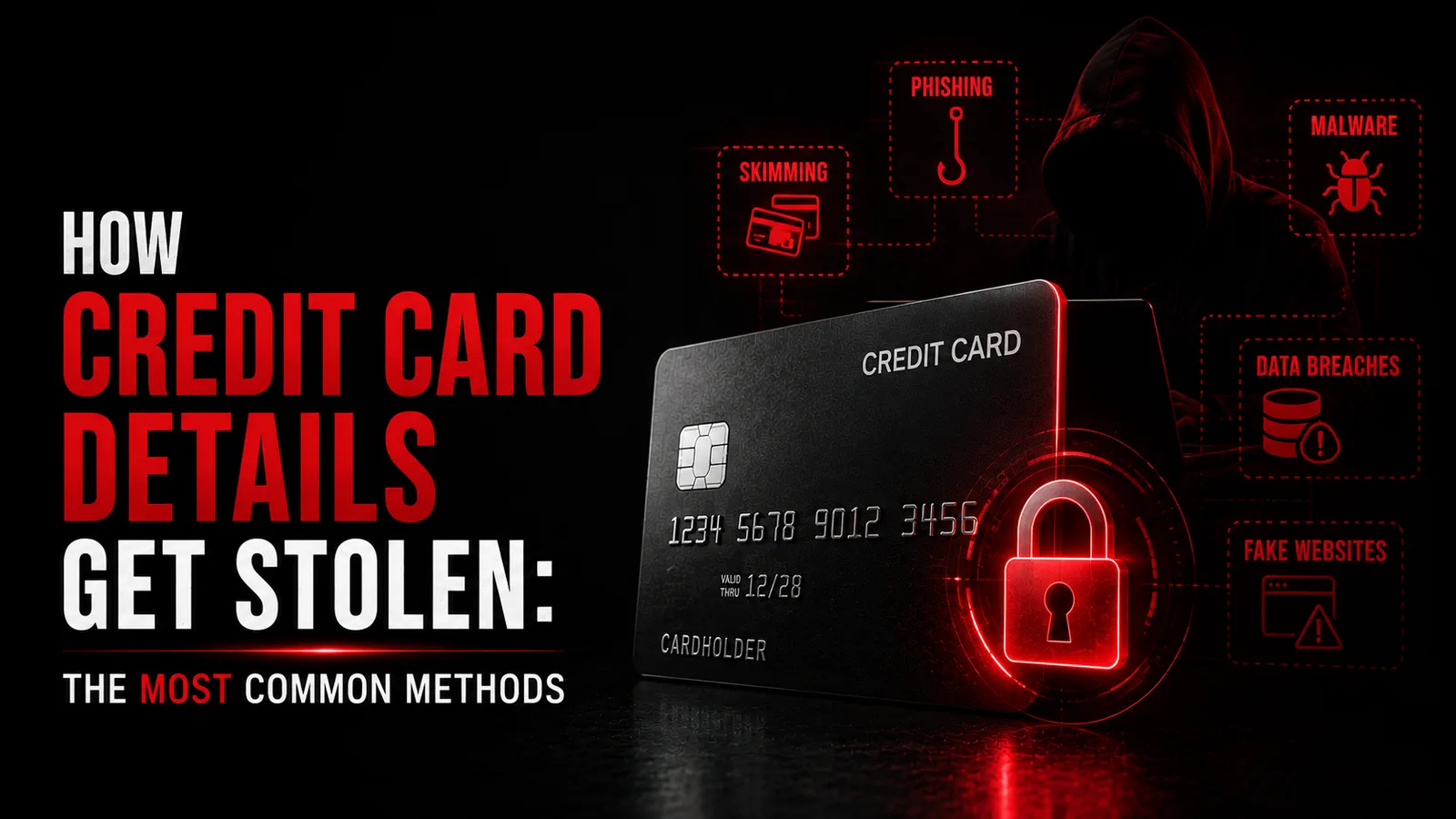
Online card fraud can happen even when the physical credit card never leaves your wallet. Criminals may obtain payment information through phishing, fake checkout pages, data breaches, digital skimming, malware, compromised accounts, or social engineering.
The good news is that consumers are not powerless. Modern payment security is designed around layers: strong account protection, encrypted checkout, merchant verification, issuer fraud monitoring, tokenization, transaction alerts, and authentication technologies such as EMV 3-D Secure.
The Federal Trade Commission recommends strong passwords, multi-factor authentication, software updates, and caution around phishing links. CISA similarly promotes MFA, strong unique passwords, software updates, and recognizing phishing as basic cyber-safety practices.
Payment technologies also help. EMVCo says EMV Payment Tokenisation replaces the primary account number with a payment token that can be restricted to a merchant, device, or payment scenario. EMV 3-D Secure helps issuers and merchants prevent card-not-present fraud by authenticating or risk-assessing online transactions.
No single control can prevent every fraud attempt. The strongest consumer strategy is therefore simple: reduce unnecessary exposure of your card information, make account takeover harder, verify payments before approving them, and detect unauthorized activity quickly.
Quick Answer: The Best Ways to Protect a Credit Card Online
Use reputable merchants and verify unfamiliar websites before paying.
Protect shopping, email, and banking accounts with unique passwords and multi-factor authentication.
Prefer tokenized payment methods such as supported digital wallets or network-tokenized checkout where available.
Pay attention to issuer authentication prompts and never approve a transaction you did not initiate.
Turn on real-time transaction alerts and review statements regularly.
Avoid clicking unexpected payment links in emails, texts, social media, or QR codes.
Keep phones, browsers, operating systems, and financial apps updated.
Contact the card issuer immediately when you notice suspicious activity or believe card information has been exposed.
Understand the Main Online Credit Card Risks
Online credit-card fraud does not come from one single method.
Common risk categories include phishing, fake merchants, fake checkout pages, compromised legitimate stores, data breaches, malware, account takeover, reused passwords, social engineering, and stolen identity information.
Recognizing that variety is important because one security measure cannot solve every problem.
HTTPS can protect data in transit but cannot make a fraudulent merchant honest. MFA can protect an account but cannot stop a user from voluntarily entering card details into a phishing page. Tokenization can reduce exposure of the underlying PAN but cannot guarantee that a purchase itself is legitimate.
Think in layers rather than searching for one perfect security tool.
Protection 1: Shop With Merchants You Can Verify
Before entering card details, verify that you are dealing with the merchant you intended to visit.
For established businesses, use a known website, official app, saved bookmark, or independently verified contact channel.
For unfamiliar merchants, look for consistent company information, realistic contact details, a clear return policy, and independent reputation information.
The FTC recommends checking unfamiliar sellers and searching the company name with terms such as “scam” or “fraud” when evaluating an online purchase.
Do not let a large discount or countdown timer replace basic verification.
Protection 2: Do Not Trust HTTPS Alone
HTTPS is necessary for secure online payments because it encrypts data between your browser and the website.
But HTTPS does not prove that the website itself is legitimate.
Phishing sites and scam stores can also obtain valid encryption certificates.
Treat HTTPS as connection security, not merchant verification.
If a site looks suspicious, the presence of a padlock should not override other warning signs.
Protection 3: Avoid Unexpected Payment Links
One of the safest habits is to avoid making payments through links that arrive unexpectedly.
Phishing messages can impersonate banks, delivery companies, merchants, subscription services, tax agencies, or payment providers.
The FTC advises consumers not to click links in unexpected messages and to contact the supposed organization through a website or phone number they already know is real.
If a message says your payment failed or your order needs verification, open the official app or type the known website address yourself.
This breaks the attacker's control over the link.
Protection 4: Treat QR Codes Like Links
QR codes can hide the destination until you scan them.
The FTC has warned that scammers use malicious QR codes to send people to phishing sites or malware.
Do not assume a QR code is safe because it appears on a parking meter, invoice, restaurant table, package, or message.
Before entering card details, confirm that the destination belongs to the organization you intended to pay.
If something feels wrong, navigate to the merchant or service independently instead.
Protection 5: Use Unique Passwords
Shopping accounts often store addresses, order history, saved cards, loyalty balances, and other personal information.
If you reuse the same password on several sites, one unrelated breach can expose multiple accounts.
CISA recommends long, random, unique passwords and encourages using a password manager.
A password manager can generate and store different passwords so you do not need to memorize them all.
Prioritize unique passwords for email, banking, payment services, major shopping accounts, and password managers themselves.
Protection 6: Protect Your Email Account First
Email is one of the most important accounts to secure because it is frequently used for password recovery.
If a criminal controls your email, they may be able to reset shopping, banking, social-media, and payment accounts.
Use a unique password and MFA on email.
Review recovery addresses, telephone numbers, active sessions, and unfamiliar forwarding rules.
A secure credit card account can still be undermined if the recovery email is compromised.
Protection 7: Turn On Multi-Factor Authentication
MFA requires more than a password before granting account access.

CISA says MFA helps protect online purchases, bank accounts, business accounts, and identity by adding another authentication step.
The FTC likewise says multi-factor authentication makes it harder for scammers to log in when they obtain a username and password.
Use MFA on email, card accounts, financial services, shopping accounts, and cryptocurrency services where available.
Where a service offers phishing-resistant methods such as security keys or passkeys, those can provide stronger protection than passwords alone.
Protection 8: Never Share Verification Codes
Banks and card issuers may send one-time verification codes when signing in or confirming sensitive actions.
The FTC warns that these codes are part of two-factor authentication and should not be given to someone who contacts you asking for them.
A caller claiming to be the bank may already know some personal information and still be a scammer.
Read the message accompanying the code carefully.
If the code relates to an action you did not initiate, do not approve it and contact the institution independently.
Protection 9: Read 3-D Secure Prompts Carefully
EMV 3-D Secure is designed to help issuers and merchants authenticate consumers and reduce card-not-present fraud.
Depending on the risk assessment, a legitimate purchase may complete frictionlessly or the issuer may request an additional challenge.
When an authentication prompt appears, verify the merchant and amount before approving.
Never approve a transaction simply because someone on the phone or in a chat tells you that approval is required for a refund, account verification, or fraud investigation.
Authentication protects transactions only when the consumer verifies the transaction they actually intended to make.
Protection 10: Prefer Tokenized Payments Where Available
Tokenization reduces the need to expose the underlying card number repeatedly.
EMVCo says EMV Payment Tokenisation replaces the PAN with a payment token and can constrain that token to a specific merchant, device, or payment scenario.
Visa and Mastercard also operate network-tokenization systems for digital payments.
Tokenization does not make every merchant legitimate, but it can reduce the value of payment data if a token is compromised outside its intended context.
Supported digital wallets and modern stored-card services may use tokenization automatically.
Protection 11: Consider Digital Wallets
Digital wallets can combine tokenized payment credentials with device-level authentication such as biometrics or a passcode.
This can reduce direct exposure of the underlying card number during supported transactions.
A wallet is not a substitute for merchant verification.
You can still authorize a payment to a scammer.
The security advantage is strongest when tokenization, device security, and consumer verification work together.
Protection 12: Use Virtual Card Numbers When Your Issuer Offers Them
Some issuers provide virtual card numbers or merchant-specific card credentials.
Features differ by bank and country.
When a virtual credential is limited or easily replaced, exposure can be easier to contain than compromise of the primary card number.
A virtual card does not make a fraudulent merchant trustworthy, so continue verifying the transaction.
Check your issuer's official app or support resources to see what options are available.
Protection 13: Turn On Transaction Alerts
Real-time alerts are one of the simplest and most useful fraud-detection tools.
Enable notifications for purchases, online transactions, international activity, ATM withdrawals, or transactions above a chosen threshold if your issuer offers these settings.
An alert does not prevent the first unauthorized transaction, but it can reduce the time before you notice the problem.
Fast detection allows you to contact the issuer before additional transactions occur.
Treat small unfamiliar charges seriously rather than assuming they are harmless.
Protection 14: Review Statements Regularly
Do not rely entirely on automated fraud detection.
Review card statements and account activity yourself.

Look for merchants you do not recognize, duplicate charges, unexpected subscriptions, or transactions at unusual times.
The FTC and CFPB both emphasize reporting unauthorized transactions promptly.
Save receipts or order confirmations for unfamiliar merchants until the charge has been reconciled.
Protection 15: Keep Your Phone and Computer Updated
Security updates fix vulnerabilities in operating systems, browsers, and applications.
CISA identifies software updates as one of the basic actions consumers can take to reduce cyber risk.
Enable automatic updates where practical.
Remove unsupported browsers and applications from devices used for payments.
Do not postpone critical security updates indefinitely on a device that contains banking or saved-card information.
Protection 16: Use Official Apps
When dealing with a bank, card issuer, or major merchant, use the official application obtained from the device's legitimate app store.
Avoid installing banking or shopping applications from links in messages or unknown websites.
Scammers can create lookalike apps or send malicious installation files.
Verify the publisher before installing.
If an app unexpectedly asks for unusual permissions, stop and confirm the requirement with the organization.
Protection 17: Do Not Install 'Security Tools' From Strangers
A scammer may claim that you need to install software to secure your card, receive a refund, verify a purchase, or prevent fraud.
The program may actually be malware or remote-access software.
Do not install applications or browser extensions because an unsolicited caller, chat agent, or email tells you to.
Banks do not need remote control of your personal device to cancel a fraudulent card transaction.
If technical help is genuinely needed, use the official institution's support channel.
Protection 18: Protect Saved Cards in Browser and Shopping Accounts
Saved cards can make checkout convenient, but the account controlling them must be protected.
Use a strong device lock and secure browser or shopping-account credentials.
Remove stored cards from accounts you no longer use.
Do not save payment information on public, shared, or workplace computers unless specifically approved.
Convenience should not create permanent card exposure on devices you do not fully control.
Protection 19: Secure Your Phone Number
Phone numbers can be involved in password resets and SMS authentication.
Protect your mobile-account PIN and carrier account.
Be cautious about unexpected messages saying your SIM, phone service, or mobile account must be reverified.
Where stronger authentication options are available, do not rely exclusively on SMS for the most sensitive accounts.
A compromised phone account can undermine otherwise strong financial-account security.
Protection 20: Use Public Wi-Fi With Realistic Caution
Modern HTTPS has made public Wi-Fi much safer than it was in the early web.
The bigger risks are fake hotspots, phishing pages, suspicious captive portals, malware, and ignoring certificate warnings.
Do not enter card information into a browser session showing a security or certificate warning.
If the hotspot cannot be verified or behaves strangely, switch to mobile data or a trusted personal hotspot.
A VPN can provide an additional encrypted tunnel but does not make phishing sites or compromised devices safe.
Protection 21: Never Ignore Certificate Warnings
A certificate warning means the browser cannot establish the connection's identity or integrity normally.
There can be innocent configuration problems, but online banking and card payments are not good situations for bypassing the warning.
Stop the transaction.
Use the official app, mobile data, or another trusted connection and try again.
Do not click through warnings simply because a payment is urgent.
Protection 22: Be Skeptical of Social-Media Shops
Social media allows legitimate small businesses to reach customers, but it also allows scammers to create temporary stores quickly.
Be cautious when a seller has only social-media messaging, unusually large discounts, no independently verifiable identity, copied product images, or demands payment outside normal checkout.
Search for independent information about unfamiliar merchants.
Do not treat follower count or comments as proof that a seller is legitimate.
Accounts and engagement can be fabricated or compromised.
Protection 23: Watch for Fake Delivery Fees
Delivery phishing is a common way to collect card information.
A text or email may claim that a small customs, redelivery, or address-correction payment is required.
Instead of using the supplied link, open the courier's official site or app and enter the tracking number yourself.
A small requested fee can still lead to theft of a full card credential.
The amount requested is not a reliable measure of the risk.
Protection 24: Watch for Fake Subscription Renewals
Scammers may claim that a streaming service, antivirus subscription, cloud account, or membership is expiring.
The message directs the victim to a fake payment page.
Open the service independently and check the subscription status inside the real account.
Do not update card information through unexpected links.
If the subscription does not appear inside the official account, the message should be treated as suspicious.
Protection 25: Watch for Fake Refunds
A scammer may claim that you are owed a refund and then ask for card details, verification codes, or remote access to your device.
A genuine merchant refund generally returns funds through the original payment mechanism or another clearly documented process.
Do not disclose OTPs or approve unrelated transactions in order to receive money.
If you are uncertain, contact the merchant or issuer using independently verified information.
Never let the person offering the refund control your screen or banking session.
Protection 26: Do Not Share CVV or Full Card Details in Chat
Legitimate customer-support agents generally should not need you to send complete card credentials through ordinary chat, email, or social media.
Do not photograph the front and back of a card and send it to a stranger.
Do not send card number, expiration, CVV, PIN, or authentication codes through an informal messaging conversation.
Use the organization's secure official payment form if a payment must be made.
When in doubt, end the conversation and contact the company independently.
Protection 27: Never Share a PIN for an Online Card Purchase
A card PIN is generally associated with card-present or ATM authentication, not ordinary web checkout.
A website or person asking for a card PIN during a normal e-commerce purchase should be treated cautiously.
Do not confuse a PIN with an issuer authentication code or wallet passcode.
Different credentials protect different parts of the payment system.
If a merchant asks for information that seems unrelated to the transaction, stop and verify the request.
Protection 28: Understand That a CVV Is Not a Password
CVV helps merchants assess card-not-present transactions, but it is still static payment information.
It should not be treated as the only barrier protecting a card.
Do not send it by email or chat.
Merchants should use modern risk controls rather than relying only on static fields.
Consumers should focus on protecting the entire payment account and transaction rather than one code.
Protection 29: Use Separate Cards or Spending Controls When Helpful
Some consumers choose to use one card primarily for online purchases or configure card controls through their issuer.
This can make monitoring easier and reduce the disruption if the card must be replaced.
Issuer features vary, so check the official card app for options such as online transaction controls, merchant-category controls, travel settings, or temporary card locks.
Do not depend on controls alone; they work best with alerts and strong account security.
Protection 30: Lock a Card Quickly When Something Looks Wrong
Many issuers allow customers to temporarily lock or freeze a card through a mobile app.
This can be useful while investigating a lost card or suspicious transaction.
A temporary lock is not always the same as permanent replacement and may not stop every type of recurring or previously authorized transaction.
Follow the issuer's instructions.
If the card credentials are confirmed compromised, replacement is often more appropriate than relying indefinitely on a temporary lock.
Protection 31: Know the Difference Between Credit and Debit Protections
Credit-card and debit-card legal protections are not identical.
In the United States, Regulation Z limits qualifying credit-card liability for unauthorized use, generally to no more than $50 under the conditions in the rule, and many issuers provide broader zero-liability protections.
Debit-card liability can depend much more heavily on how quickly the consumer reports loss, theft, or unauthorized electronic transfers.
Consumers should report suspicious activity immediately regardless of card type.
For country-specific rights, follow local law and the issuer's agreement.
Protection 32: Use Credit Cards for Unfamiliar Online Merchants When Appropriate
For U.S. consumers, FTC guidance commonly recommends credit cards for online purchases because they provide established dispute protections when goods are not delivered or charges are unauthorized.
This does not mean credit cards are fraud-proof.
It means the dispute framework may be stronger than certain alternative payment methods.
Never send cryptocurrency, gift cards, or wire transfers merely because an unfamiliar merchant refuses standard payment methods.
Choose payment methods with appropriate consumer protections.
Protection 33: Do Not Pay a Seller Who Insists on Gift Cards or Crypto
An ordinary online merchant demanding gift cards or cryptocurrency for a routine purchase should raise concern.
The FTC repeatedly warns that scammers prefer payment methods that are hard to reverse.
Use established payment systems when dealing with unfamiliar sellers.
If a seller refuses every payment method offering normal consumer recourse, reconsider the transaction.
Payment method is not the only signal, but it is an important one.
Protection 34: Check Merchant Names on Your Statement
Some legitimate businesses bill under a legal or parent-company name that differs from the storefront name.
When you see an unfamiliar statement descriptor, check your receipts and recent orders before assuming fraud.
If you still cannot identify the charge, contact the issuer promptly.
Do not ignore small unfamiliar charges.
Early investigation can prevent confusion and reduce the time before a compromised card is secured.
Protection 35: Be Careful With Free Trials
Some online disputes come from recurring subscriptions rather than stolen cards.
Read trial terms, renewal dates, cancellation rules, and recurring charges before entering a card.
Keep confirmation emails.
Cancel through the official merchant account rather than through a link in an unexpected message.
Distinguishing unwanted subscription billing from true unauthorized fraud helps consumers use the correct dispute process.
Protection 36: Minimize Card Data Stored Across the Internet
Every merchant that stores a reusable card credential creates another relationship that must remain secure.
Remove saved cards from accounts you no longer use.
Prefer tokenized stored-card mechanisms when supported.
Avoid creating accounts with unnecessary merchants solely to save payment information.
Reducing the number of places holding reusable credentials can reduce exposure and makes account monitoring easier.
Protection 37: Use Breach Notices as an Action Trigger
If a merchant, bank, or service tells you that payment information may have been compromised, do not dismiss the notice.
Identify exactly what data was affected.
If the card number was exposed, follow issuer guidance about replacement or monitoring.
If passwords were involved, change them anywhere reused and enable MFA.
If broader identity data was exposed, additional identity-theft protections may be appropriate.
Different breach fields require different responses.
Protection 38: Do Not Search Criminal Markets for Your Card
If you believe card information was stolen, searching underground marketplaces yourself is not a reliable solution.
Not finding the card in one source proves nothing.
Visiting criminal sites can expose you to malware, scams, and illegal content.
Work through the card issuer, legitimate monitoring services, and official identity-theft resources.
The goal is to invalidate and monitor the credential, not locate every copy.
Protection 39: Be Wary of 'Dark Web Removal' Claims
Once a card number or identity record has been copied, it may exist in many places.
No unknown service can guarantee deletion of every criminal copy.
For a compromised credit card, replacement through the issuer is usually far more effective than trying to erase the data from underground markets.
Treat messages claiming they can permanently remove your card from the dark web for a fee with skepticism.
Focus on making the compromised credential unusable.
Protection 40: Teach Family Members About Card Scams
Fraud prevention works better when everyone with access to the account understands the risks.
Discuss phishing links, verification codes, fake delivery fees, social-media shops, and unexpected payment requests with family members.
Make sure authorized users know how to contact the issuer and recognize transaction alerts.
A household security plan reduces the chance that one person unknowingly gives a scammer information affecting a shared account.
Education is especially useful for people who are less familiar with online payment flows.
What to Do Immediately If You See an Unauthorized Charge
Contact the card issuer through the number on the card, the official mobile app, or a known official website.
Tell the issuer the transaction is unauthorized.
Ask whether the card should be locked or replaced.
Review nearby transactions for additional unfamiliar activity.
Change account credentials if account takeover is possible.
Keep records of the report and any dispute reference number.
In the United States, the CFPB advises consumers to notify the card company about disputed credit-card charges promptly, and written billing-error procedures can protect additional rights.
What to Do If You Entered Card Details on a Phishing Site
Contact the issuer promptly even if no fraudulent charge has appeared yet.
Explain that the card information may have been exposed to a phishing site.
Follow the issuer's recommendation on card replacement.
If a password was entered, change it anywhere it was reused.
If an OTP or authentication code was shared, tell the financial institution because account security may also be affected.
Continue monitoring because misuse may not happen immediately.
What to Do If You Approved a Fraudulent Authentication Prompt
Contact the issuer immediately.
Explain that you approved an authentication request because of a scam or social-engineering attack.
Provide the transaction amount, merchant information, time, and any relevant scam messages.

Change credentials if the scammer may also know your login information.
Do not approve additional prompts while speaking with anyone claiming to investigate the first transaction.
A genuine bank can investigate without asking you to approve another unknown purchase.
What to Do If Your Shopping Account Was Taken Over
Change the account password from a trusted device.
Sign out other sessions where the service allows it.
Review saved payment methods, addresses, orders, gift-card balances, loyalty points, and account-recovery information.
Secure the email account connected to the shopping account.
Contact the merchant and card issuer if unauthorized orders or payment changes occurred.
Enable MFA if available.
What to Do After a Data Breach
Read the breach notice carefully.
Determine whether it affected card information, passwords, bank-account information, identity data, or only less-sensitive contact details.
Take action appropriate to each data category.
Continue monitoring after card replacement if broader identity information was exposed.
The FTC directs consumers who believe a scammer has sensitive identity or financial information to IdentityTheft.gov for recovery guidance.
Do not assume a replacement card resolves exposure of passwords or identity data.
When a Credit Freeze Is Relevant
A credit freeze addresses a different risk from ordinary card fraud.
It is useful when strong identity information such as a Social Security number may have been exposed and the concern is new-account identity theft.
It does not prevent unauthorized purchases on an existing card.
Consumers should match the protection to the threat.
Card compromise generally calls for issuer action; identity compromise can justify broader credit-file protections.
Consumer Rights and U.S. Liability Basics
U.S. rules provide important protections for unauthorized credit-card use.
The CFPB says that if a lost or stolen credit card is used before notification, qualifying cardholder liability is generally capped at $50, and many agreements provide zero-liability protection.
If only the account number was stolen rather than the physical card, protections can be even stronger under applicable rules and issuer policies.
Debit-card rules are different and can depend heavily on reporting time.
These are U.S.-specific general principles, not individualized legal advice; consumers elsewhere should consult local law and issuer terms.
Why Fast Reporting Matters
Even strong legal protections do not make delay a good idea.
Prompt reporting helps the issuer block further transactions, replace the credential, investigate fraud, and protect the account.
The CFPB emphasizes notifying card issuers quickly about unauthorized charges.
Fast reporting also reduces confusion when multiple fraudulent transactions occur.
Save the date and time of your report and any case number provided.
What Merchants Can Do to Protect Customers
Consumers depend on merchants to reduce exposure of payment information.
Merchants should follow PCI DSS, minimize storage of card data, protect payment pages, control scripts, patch systems, secure administrator accounts with MFA, monitor for malware, use tokenization, and maintain incident-response procedures.
Payment providers should support modern authentication and fraud-detection tools.
A secure merchant environment reduces the chance that careful consumers are compromised through no fault of their own.
Payment security is a shared responsibility.
How Tokenization Protects Consumers
Tokenization is one of the most important modern payment-security technologies.
EMVCo explains that payment tokenization replaces the primary account number with a unique alternative value.
The token can be restricted to a merchant, device, or payment scenario.
That restriction means theft of the token may not expose a universally reusable card number.
Visa and Mastercard both operate large-scale tokenization programs for digital payments.
Consumers benefit even when the tokenization happens invisibly in the background.
How EMV 3-D Secure Protects Online Payments
EMV 3DS allows merchants and issuers to exchange data used to authenticate cardholders and assess e-commerce risk.
Lower-risk transactions may proceed frictionlessly, while higher-risk activity may require additional authentication.
The system is designed to reduce card-not-present fraud without challenging every legitimate shopper.
Consumers help by reading challenges carefully and approving only transactions they intentionally initiated.
A 3DS challenge is not a generic identity check to be approved on another person's instructions.
How Fraud Monitoring Helps
Card issuers and payment networks analyze transaction patterns to identify suspicious behavior.
This can lead to declined transactions, fraud alerts, or requests for confirmation.
Fraud monitoring is valuable but cannot detect everything.
A legitimate purchase may occasionally be challenged, and some fraudulent activity may initially look normal.
Consumer alerts and regular statement review provide an important second layer.
Common Myths About Online Credit Card Protection
Myth: HTTPS means the store is trustworthy. Reality: HTTPS encrypts the connection; scam sites can use HTTPS too.
Myth: A CVV makes stolen card information useless. Reality: CVV is only one static security field and does not replace layered fraud controls.
Myth: MFA protects the card from every scam. Reality: MFA protects account access but cannot stop you from willingly paying a scammer.
Myth: Digital wallets eliminate fraud. Reality: tokenization reduces credential exposure, but fraudulent merchants and social engineering still exist.
Myth: Public Wi-Fi automatically exposes card numbers. Reality: modern HTTPS encrypts web payments; fake networks, phishing, malware, and security warnings are more realistic concerns.
Myth: A small unfamiliar charge is not worth reporting. Reality: any unexplained charge should be investigated.
Myth: Fraud monitoring means you do not need to review statements. Reality: issuer systems and consumer monitoring work best together.
Myth: Replacing the card fixes every breach. Reality: passwords and identity data exposed in the same incident may require separate action.
Conclusion
Online credit-card security is strongest when consumers combine good habits with modern payment technology.
You cannot control every merchant breach or cyberattack, but you can reduce exposure by verifying where you pay, avoiding phishing links, using strong account security, and choosing tokenized payment options when available.
You can also reduce the impact of a compromise by enabling transaction alerts, reviewing statements, and reporting suspicious activity quickly.
EMV Payment Tokenisation and EMV 3-D Secure are important examples of how the payment ecosystem is moving beyond reliance on static card numbers alone.
For consumers, the practical formula is straightforward: verify the merchant, protect the account, protect the device, approve only intended transactions, and monitor the card.
If something goes wrong, contact the issuer immediately rather than waiting for the fraud to grow.
Online fraud cannot be eliminated completely, but layered protection can make your card information harder to steal, harder to reuse, and much easier to secure when suspicious activity appears.