Payment Security
The History of Carding: How Payment Card Fraud Evolved
Carding did not begin with the dark web, cryptocurrency, or modern e-commerce. Payment-card fraud evolved alongside the payment-card industry its...
Defensive education and practical awareness resources.
Carding did not begin with the dark web, cryptocurrency, or modern e-commerce. Payment-card fraud evolved alongside the payment-card industry its...
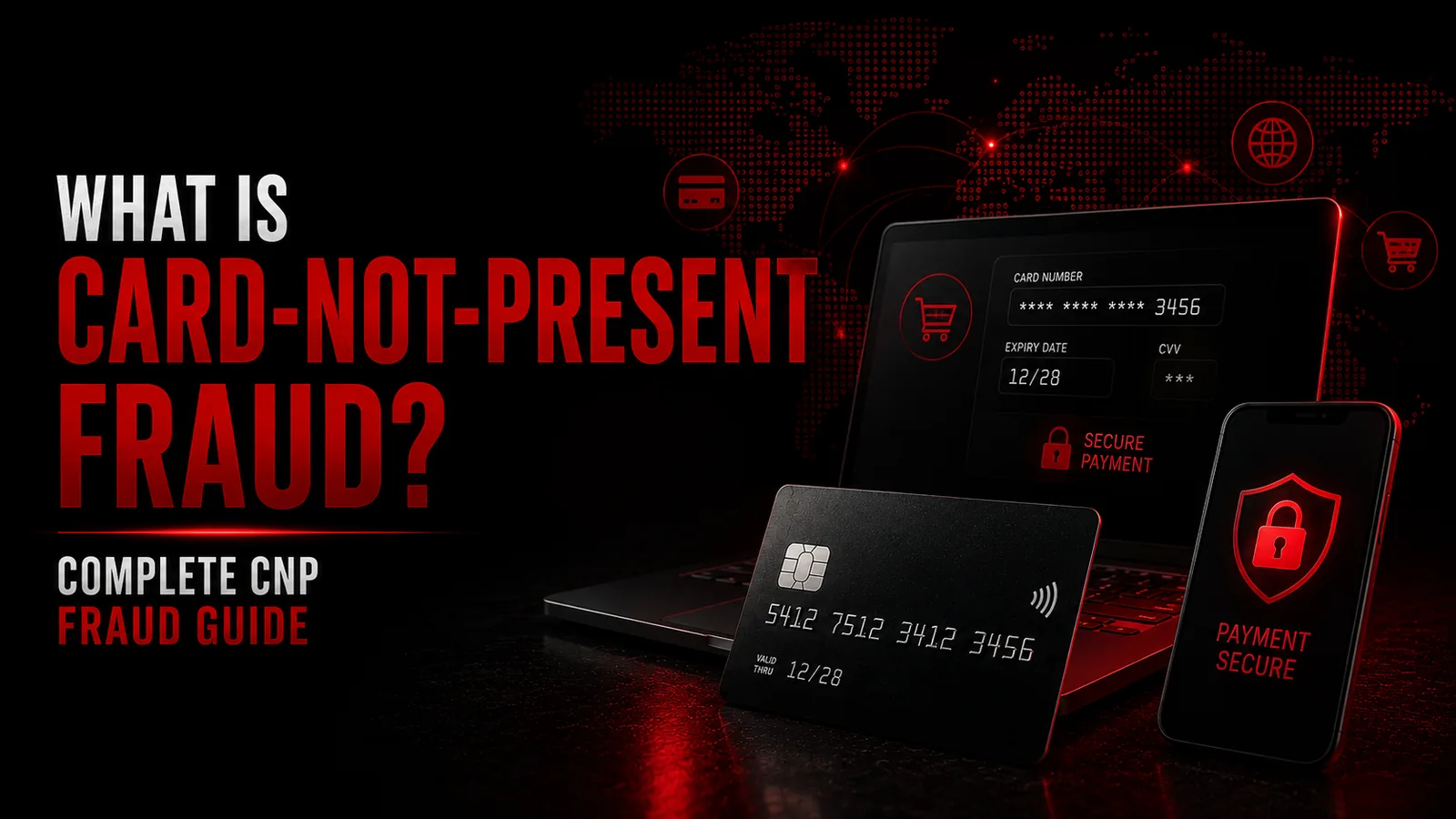
Card-not-present fraud, commonly shortened to CNP fraud, is one of the central security challenges in modern e-commerce. It occurs when payment-c...
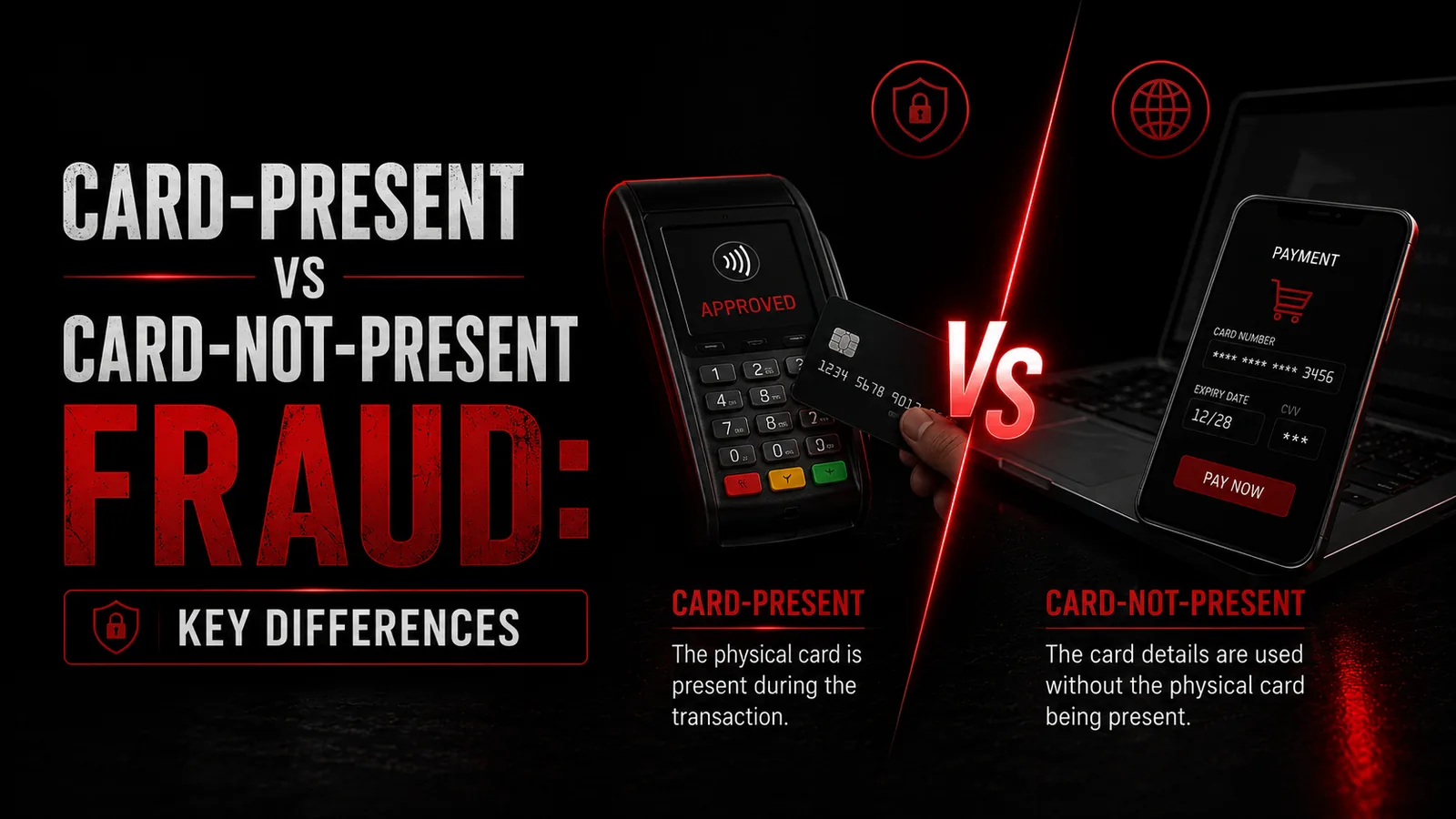
Card-present and card-not-present fraud are two major categories used to describe payment-card fraud. The difference is based on the payment chan...

Stolen payment card data rarely exists as a one-step fraud event. In many cases, it moves through a broader lifecycle that begins with compromise...
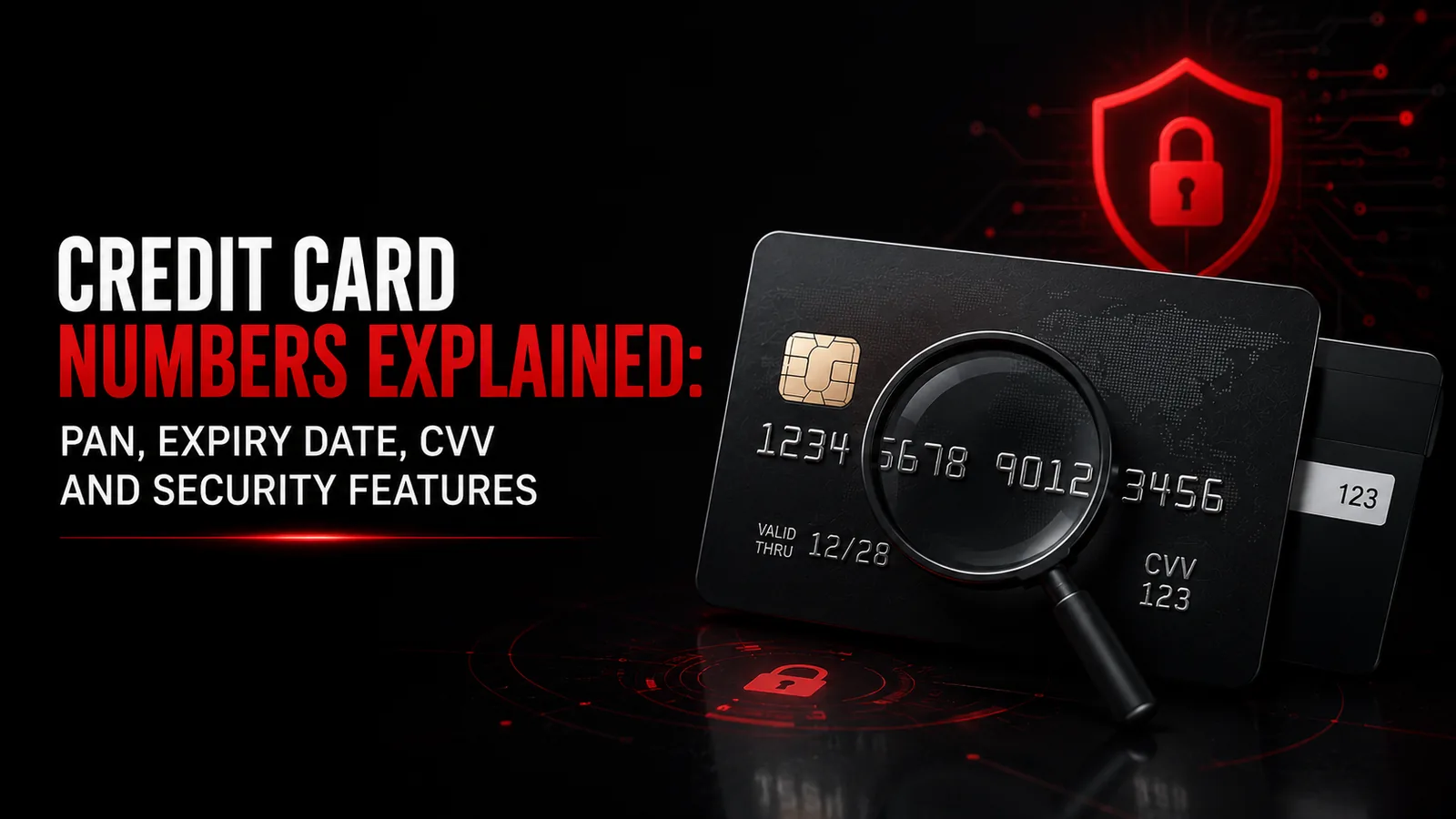
A modern credit or debit card contains several different pieces of information, and each serves a different purpose. The most familiar are the pr...
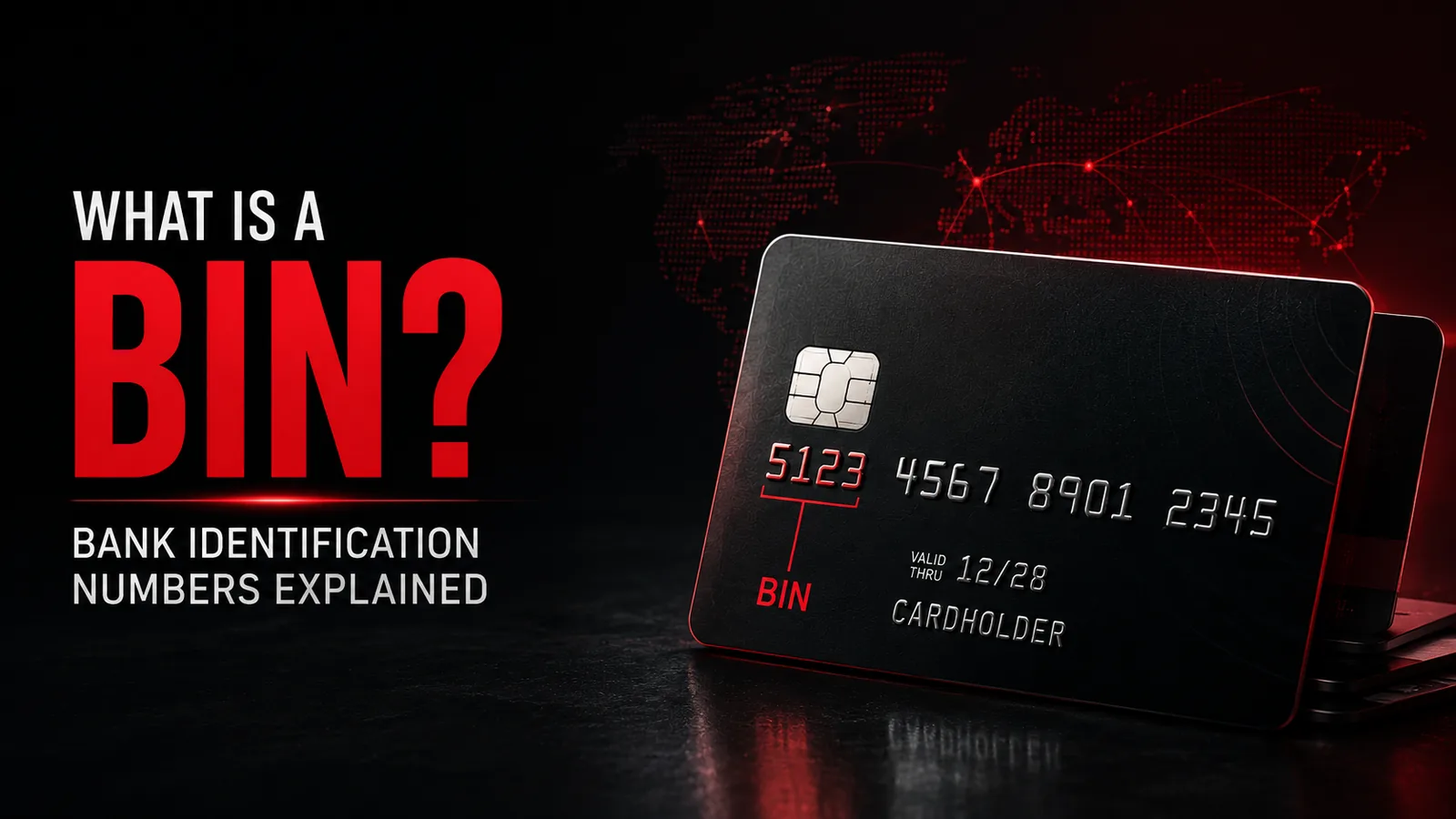
A Bank Identification Number, commonly shortened to BIN, is an identifying number at the beginning of a payment-card account number. In modern pa...
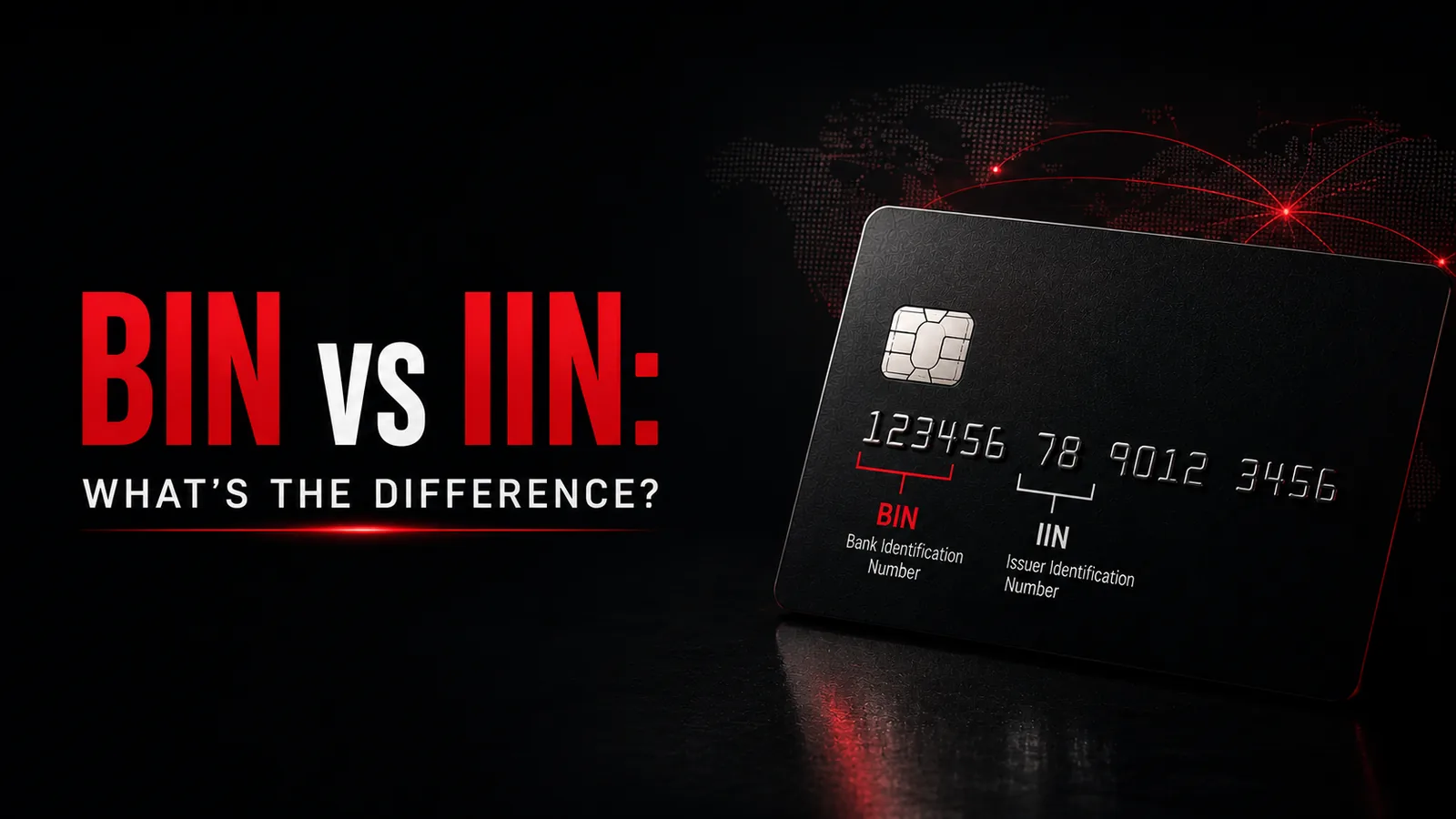
BIN and IIN are two terms that frequently appear in payment-card documentation, fraud-prevention systems, merchant dashboards, and payment APIs....
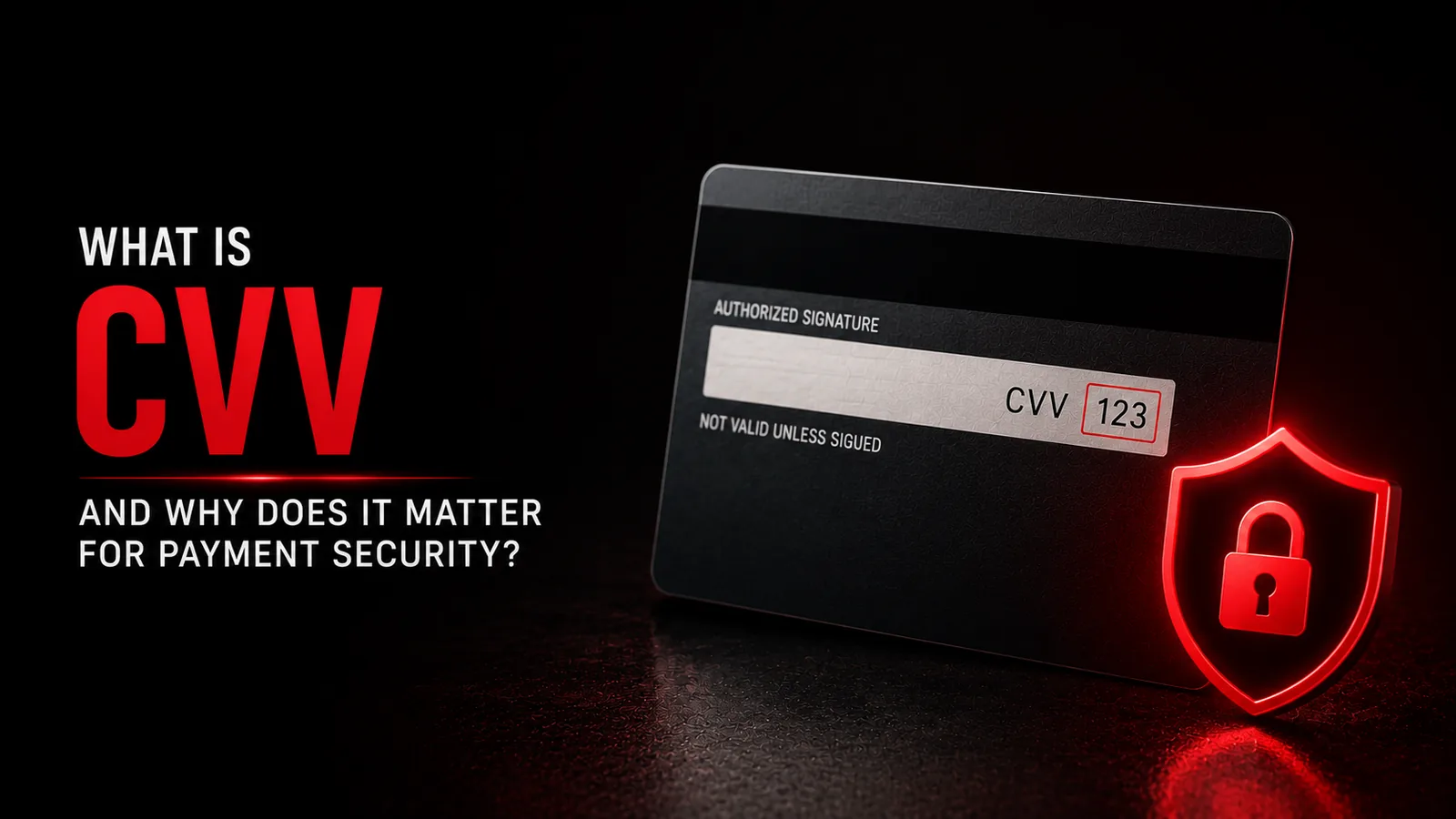
CVV is one of the most familiar security features on a credit or debit card, especially during online shopping. A merchant may ask for the card n...
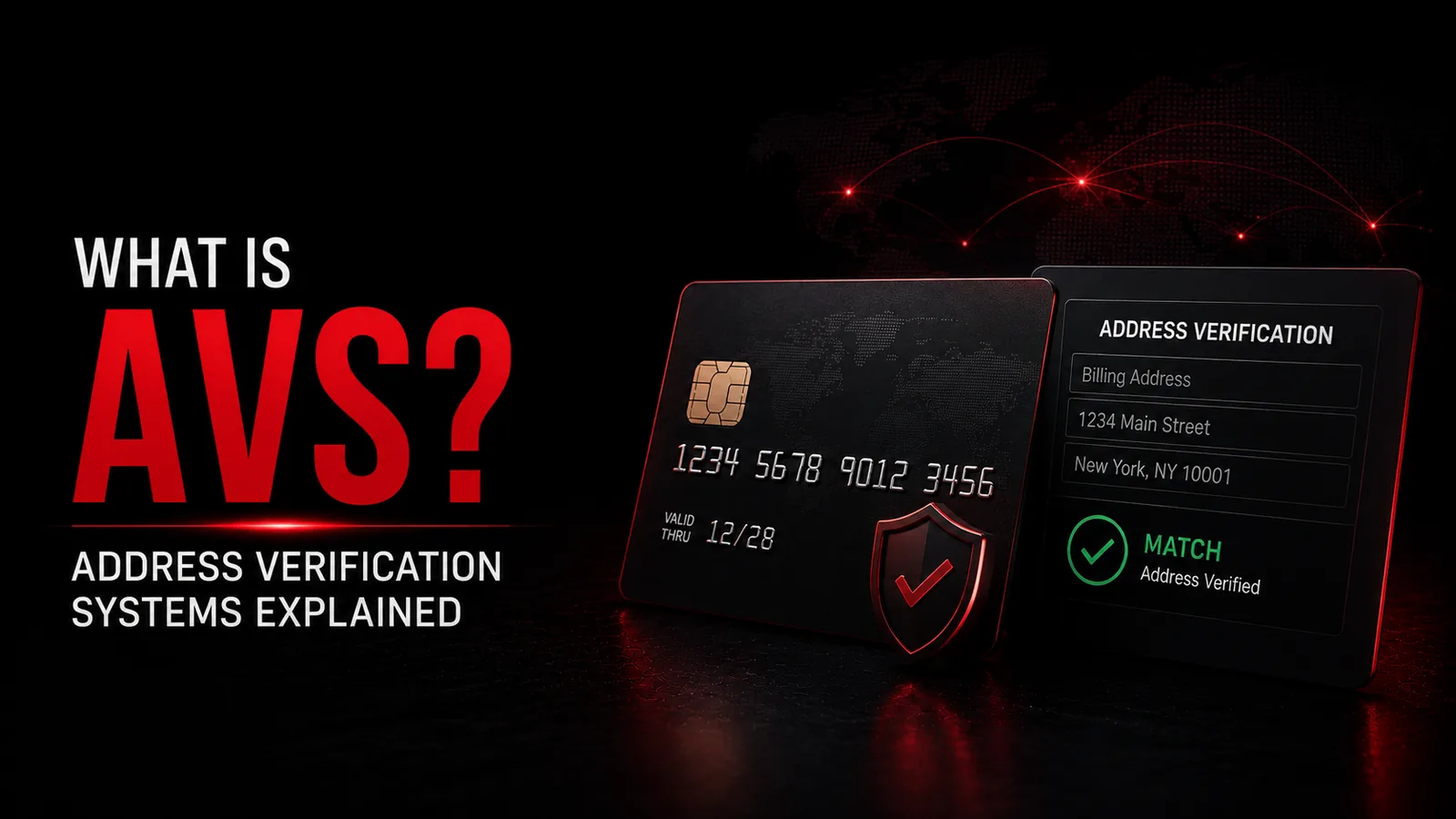
AVS, or Address Verification Service, is a payment-security tool used to compare billing-address information submitted during a card transaction...

3-D Secure, commonly shortened to 3DS, is an authentication technology designed to improve the security of online card payments. It helps card is...
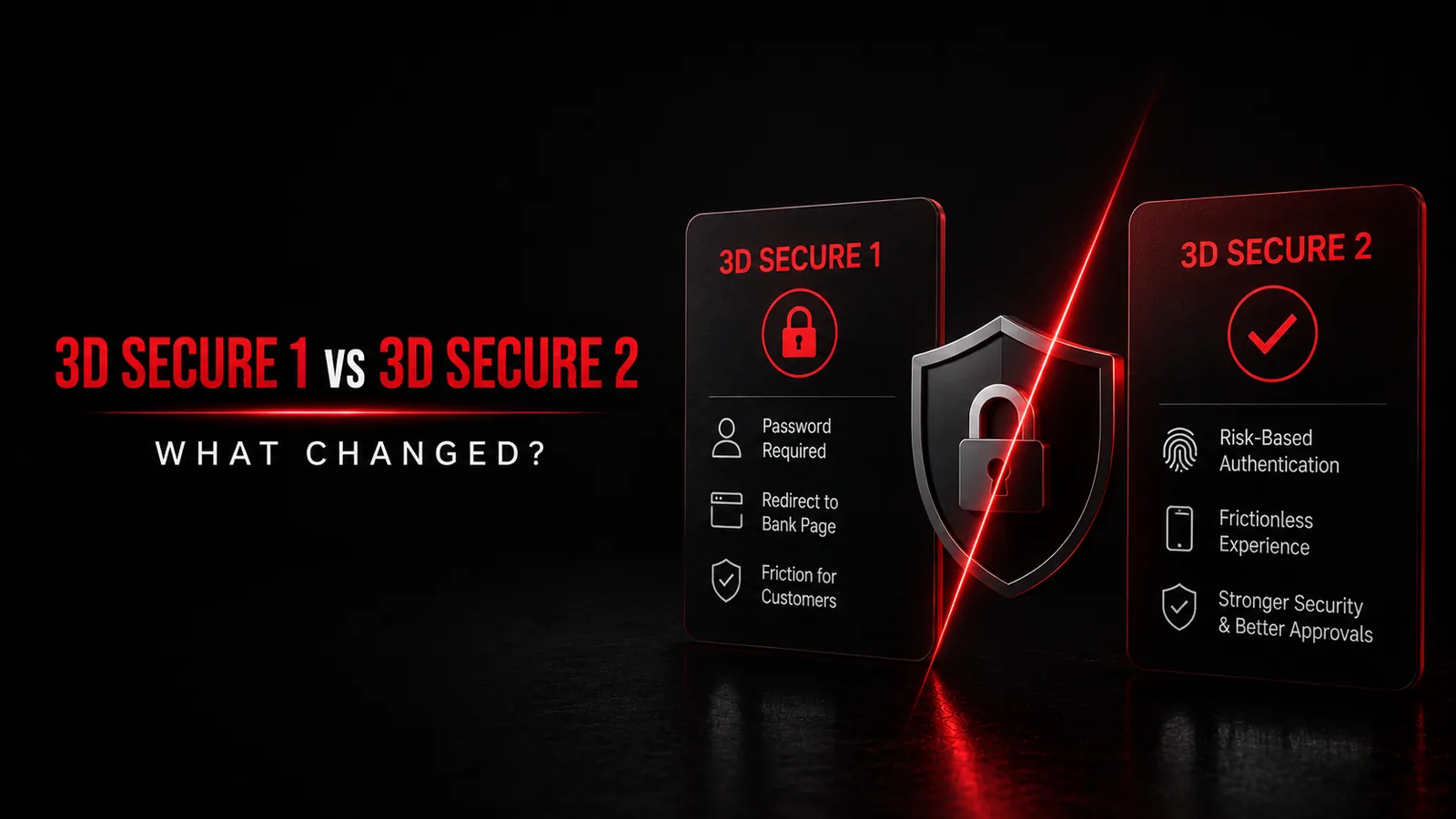
3-D Secure has changed dramatically since the first generation of the protocol appeared in online checkout. What many shoppers remember as a sepa...
VBV stands for Verified by Visa, the former name of Visa's online cardholder-authentication program based on the 3-D Secure standard. Visa later...