

Introduction
Stolen payment card data rarely exists as a one-step fraud event. In many cases, it moves through a broader lifecycle that begins with compromise and can continue through criminal circulation, attempted misuse, authorization, detection, disputes, card replacement, and fraud prevention.
Europol describes payment-card fraud as having two core phases: obtaining the card or card data and using it fraudulently. In modern digital environments, however, defenders often need a more detailed lifecycle view because different organizations can interrupt the fraud chain at different stages.
Understanding this lifecycle helps consumers, merchants, banks, payment processors, and cybersecurity teams identify where security controls matter most. This guide explains each stage from a defensive and educational perspective without providing operational instructions for committing payment fraud.
Lifecycle at a Glance
A simplified lifecycle looks like this: compromise → storage or circulation → attempted misuse → payment authorization and authentication → merchant fulfillment → detection → dispute or chargeback → credential replacement → investigation and prevention.
Not every incident reaches every stage. Some stolen credentials are never used. Some are blocked immediately. Some are detected before fulfillment. Others may result in completed transactions that are later disputed.
This is important because the lifecycle is not guaranteed to end in financial loss. Strong security can break the chain before compromised data becomes useful.
Stage 1: Payment Data Is Compromised
The lifecycle begins when payment-card data becomes exposed or stolen. Sources can include phishing, malware, data breaches, social engineering, physical skimming, digital skimming, compromised merchant systems, or account takeover.
Europol's 2024 cybercrime assessment identifies digital skimming as an ongoing threat that can lead to theft, resale, or misuse of payment-card data.
PCI DSS exists partly to reduce this first-stage risk by establishing baseline technical and operational requirements for environments that store, process, or transmit payment-account data.
Stage 2: The Data May Be Collected, Copied, or Stored
Unlike a physical card, digital payment data can be copied. Once credentials are exposed, multiple copies may exist.
That is why a blocked transaction does not necessarily make the original credential safe again. If compromise is confirmed, issuers commonly replace the affected card rather than assuming the data exists in only one place.
From a defensive perspective, this stage reinforces the importance of minimizing storage of sensitive payment data and using tokenization or other methods that reduce exposure of reusable account credentials.
Stage 3: Stolen Data May Circulate Through Criminal Markets
Compromised card data may be used directly by the person who obtained it or passed into wider criminal ecosystems.
Europol has repeatedly targeted websites and marketplaces involved in selling or purchasing compromised card details. In its Carding Action 2020 operation, law enforcement analyzed tens of thousands of pieces of card data and targeted online card shops and dark-web marketplaces.

This distribution stage is one reason carding can involve specialization: the people stealing data may be different from those attempting to misuse it later.
Stage 4: Unauthorized Use May Be Attempted
The next stage is attempted misuse. A criminal may try to convert compromised credentials into value through an unauthorized transaction or related fraud.
The transaction still enters the normal payment authorization process. The issuer, merchant, processor, and payment network can evaluate risk signals before deciding whether the payment should proceed.
A suspicious attempt may be declined, challenged with authentication, delayed for review, or approved. The presence of valid-looking card information does not guarantee a successful transaction.
Stage 5: Payment Authorization and Authentication
Modern payment systems use multiple layers to decide whether a transaction should be accepted.
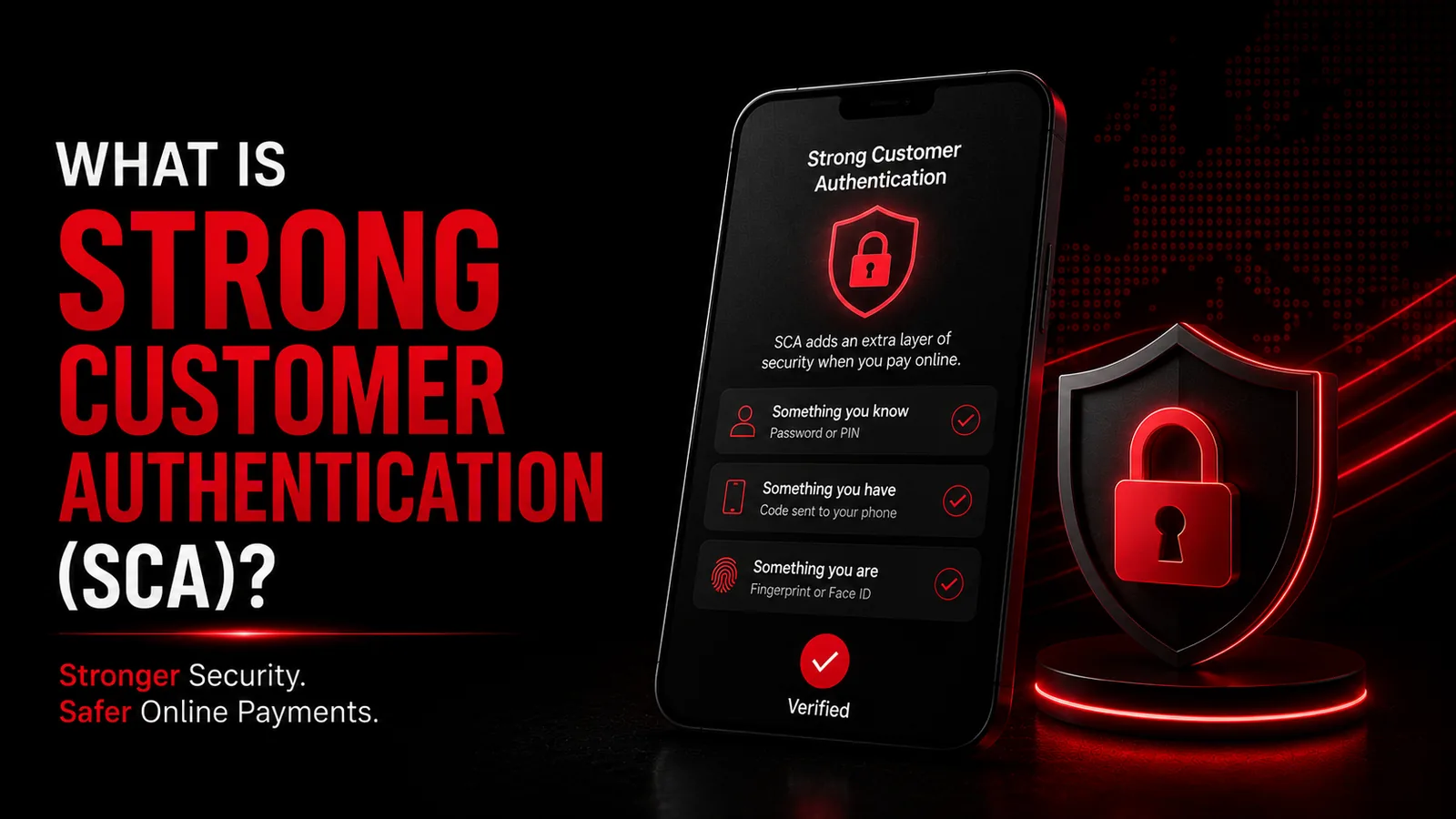
For online card-not-present payments, EMV 3-D Secure can support customer authentication and additional information exchange between merchants and issuers. EMVCo says EMV 3DS is designed to help prevent card-not-present fraud and improve e-commerce payment security.
Other risk signals can include account history, authentication outcomes, device or location information, customer behavior, merchant information, and transaction patterns.
This stage is one of the most important opportunities to stop stolen credentials from producing financial loss.
Stage 6: The Merchant Decides Whether to Fulfill
Even after payment authorization, merchants still face fulfillment risk. A fraudulent order that is approved but not yet shipped can sometimes be stopped before goods or services are delivered.
Merchants may use fraud-review systems, account history, transaction signals, authentication results, or manual review for selected orders.
The faster suspicious activity is detected, the greater the chance of preventing both payment loss and loss of merchandise or services.

Stage 7: Fraud May Be Detected
Detection can happen at many points. The issuer may identify abnormal spending, the merchant may flag an order, the payment network may provide risk signals, or the cardholder may notice an unfamiliar transaction.
Consumers may receive transaction alerts, fraud-confirmation requests, or notices that the card has been restricted.
The FTC recommends checking card statements and investigating purchases that were not made by the cardholder. Transaction alerts can help consumers spot suspicious activity faster.
Stage 8: The Cardholder Reports Unauthorized Activity
When a cardholder notices suspicious activity, the safest response is to contact the card issuer using an official channel such as the banking app, the number printed on the card, or contact details on a trusted statement.
The consumer should report transactions they do not recognize and follow the issuer's card-locking, replacement, and dispute procedures.
The FTC advises consumers who encounter fraudulent card charges to contact the issuing bank or card company and report the charge promptly.
Stage 9: The Card Is Restricted or Replaced
Once compromise is confirmed or strongly suspected, the issuer may restrict the old credential and issue a replacement card.
Replacement helps reduce further misuse of the compromised account number. Consumers may need to update legitimate recurring payments and saved payment methods afterward.
Replacing a card does not automatically solve a broader identity or account compromise. If passwords, email credentials, or other personal data were also stolen, those accounts may need additional protection.
Stage 10: Disputes and Chargebacks
If an unauthorized transaction has already completed, the cardholder may dispute it through the issuer.
The merchant may then receive a chargeback or fraud claim. This can result in lost revenue, lost goods or services, investigation costs, and additional processing scrutiny.
Consumers should follow the dispute rules applicable to their country and payment product. In the United States, the FTC notes that federal law limits consumer responsibility for unauthorized credit-card charges, but specific rights and procedures depend on the circumstances.
Stage 11: Investigation and Pattern Analysis
Banks, merchants, payment networks, cybersecurity firms, and law-enforcement agencies can analyze fraud patterns after a compromise.
One stolen credential may reveal a wider merchant breach, phishing campaign, e-skimming incident, account-takeover pattern, or criminal marketplace.
Europol operations have demonstrated that analyzing large volumes of compromised card data can help identify criminal vendors, protect cardholders, and prevent financial losses.
This stage turns individual fraud incidents into intelligence that can help prevent future attacks.
Stage 12: Security Controls Are Updated
The final stage is prevention and adaptation. Organizations may strengthen authentication, adjust fraud models, replace vulnerable systems, patch compromised software, change payment-page controls, or improve monitoring.

PCI DSS provides a baseline for protecting payment-account data, while EMV 3-D Secure provides authentication specifically aimed at card-not-present payments.
The broader lesson is that every fraud incident should improve future defense rather than being treated as an isolated transaction problem.
Why Some Stolen Card Data Is Never Successfully Misused
A common misconception is that stolen payment information automatically results in successful fraud.
In reality, credentials can be expired, blocked, replaced, tokenized, subject to additional authentication, or rejected by fraud systems.
Merchants and issuers can also identify unusual behavior before goods are fulfilled.
The payment ecosystem is designed to introduce multiple opportunities to stop misuse between the initial compromise and final financial loss.
How Card-Not-Present Fraud Fits Into the Lifecycle
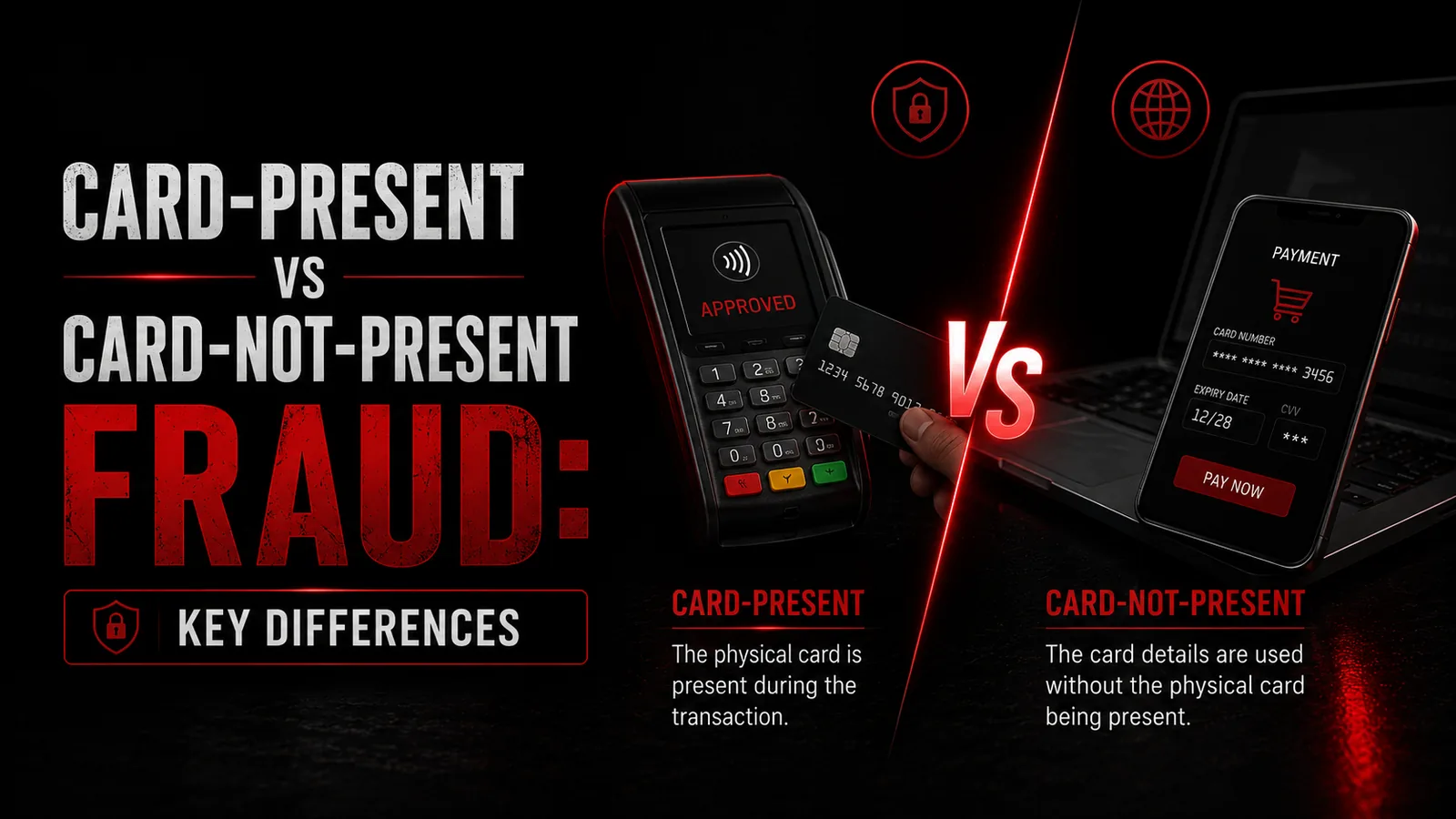
Card-not-present fraud is one of the main ways compromised card credentials can be misused remotely.
The physical card does not need to be presented, so the security challenge becomes proving that the remote customer is authorized.
That is why CNP defenses emphasize authentication, device and behavioral signals, secure checkout infrastructure, transaction monitoring, and fraud analytics.
EMVCo specifically positions EMV 3-D Secure as technology for preventing CNP fraud and improving e-commerce payment security.
How Carding Fits Into the Lifecycle
Carding is commonly used to describe fraudulent use of stolen or compromised card data. Europol defines carding as fraudulent use of stolen credit-card data.
Within the lifecycle, carding is primarily associated with the misuse stage, although criminal carding ecosystems can also include the circulation and sale of compromised payment credentials.
Understanding this distinction helps separate the theft of payment data from its later fraudulent exploitation.
The Role of Tokenization
Tokenization can interrupt the lifecycle before stolen data becomes broadly useful.
Instead of exposing the same underlying card number throughout multiple systems, supported payment environments can use substitute digital tokens.
Depending on implementation, a token may be restricted to a specific merchant, device, wallet, or payment context. This can reduce the value of data obtained during certain compromises.
The Role of PCI DSS
PCI DSS focuses heavily on protecting the environments where payment-account data is stored, processed, or transmitted.
PCI SSC describes PCI DSS as a baseline of technical and operational requirements designed to protect payment-account data.
By reducing opportunities for data theft, PCI DSS targets the earliest stages of the lifecycle before stolen credentials can enter criminal ecosystems.
The Role of EMV 3-D Secure
EMV 3-D Secure operates later in the lifecycle, when a card-not-present payment is being authenticated.
EMVCo says EMV 3DS allows seamless authentication of consumers to help prevent CNP fraud and increase e-commerce security.

This illustrates how different security technologies protect different points in the lifecycle: PCI DSS protects data environments, tokenization reduces credential exposure, and 3DS helps authenticate online customers.
What Consumers Can Do at Each Stage
Before compromise: use unique passwords, secure email accounts, enable multi-factor authentication, avoid suspicious links, and use trusted merchants.
After compromise is suspected: contact the card issuer, lock the card where available, review account activity, and change relevant passwords if account compromise is possible.
After unauthorized activity: dispute unfamiliar transactions, replace compromised credentials, continue monitoring, and follow identity-theft guidance if broader personal information was exposed.
The faster a consumer acts after detecting suspicious activity, the more opportunities there are to interrupt the lifecycle.
What Merchants Can Do at Each Stage
Before compromise: maintain PCI DSS controls, secure checkout pages, minimize sensitive-data storage, protect administrative accounts, and train employees against phishing.
During authorization: use fraud analytics, strong authentication, tokenization, EMV 3-D Secure where appropriate, and transaction monitoring.
Before fulfillment: identify suspicious orders quickly enough to stop goods or services from being delivered where appropriate.
After fraud is detected: investigate patterns, respond to disputes, preserve relevant records, address security weaknesses, and update fraud controls.
Common Myths
Myth: Every stolen card number reaches the final fraud stage. Reality: many attempts are blocked, abandoned, or detected before loss occurs.
Myth: The person who steals the data is always the person who uses it. Reality: criminal payment ecosystems can separate theft, distribution, and misuse.
Myth: One blocked transaction means the data is safe again. Reality: digital credentials may have been copied, which is why issuers may replace compromised cards.
Myth: Card replacement solves every security issue. Reality: broader account or identity compromise may require additional steps.
Myth: Fraud prevention happens only at checkout. Reality: security controls can operate at every stage, from data protection to post-incident investigation.
Conclusion
The lifecycle of stolen payment card data is not one inevitable path from theft to loss. It is a chain with multiple opportunities for disruption.
Payment data may be compromised, copied, circulated, and used in unauthorized transaction attempts. But fraud can also be stopped through data security, tokenization, transaction monitoring, authentication, issuer controls, merchant review, rapid card replacement, and consumer reporting.
For defenders, the most important lesson is to think across the entire lifecycle rather than focusing only on the fraudulent purchase itself.
PCI DSS can reduce the chance of data theft, EMV 3-D Secure can strengthen online authentication, tokenization can reduce credential exposure, and fraud analytics can identify suspicious behavior before or after authorization.
The stronger each stage becomes, the harder it is for stolen payment-card information to become a successful fraud loss.