

A cloned credit card is a counterfeit payment card that contains payment data copied from a legitimate card without the cardholder's permission. The term is most closely associated with magnetic-stripe fraud, where stolen stripe data is placed onto another physical card and then used for unauthorized purchases or cash withdrawals.
Card cloning is closely connected to skimming. The FBI says illegal skimming devices installed on or inside ATMs, point-of-sale terminals and fuel pumps can capture card data and record PIN entries. Criminals can then use stolen data to create fake payment cards and make unauthorized transactions.
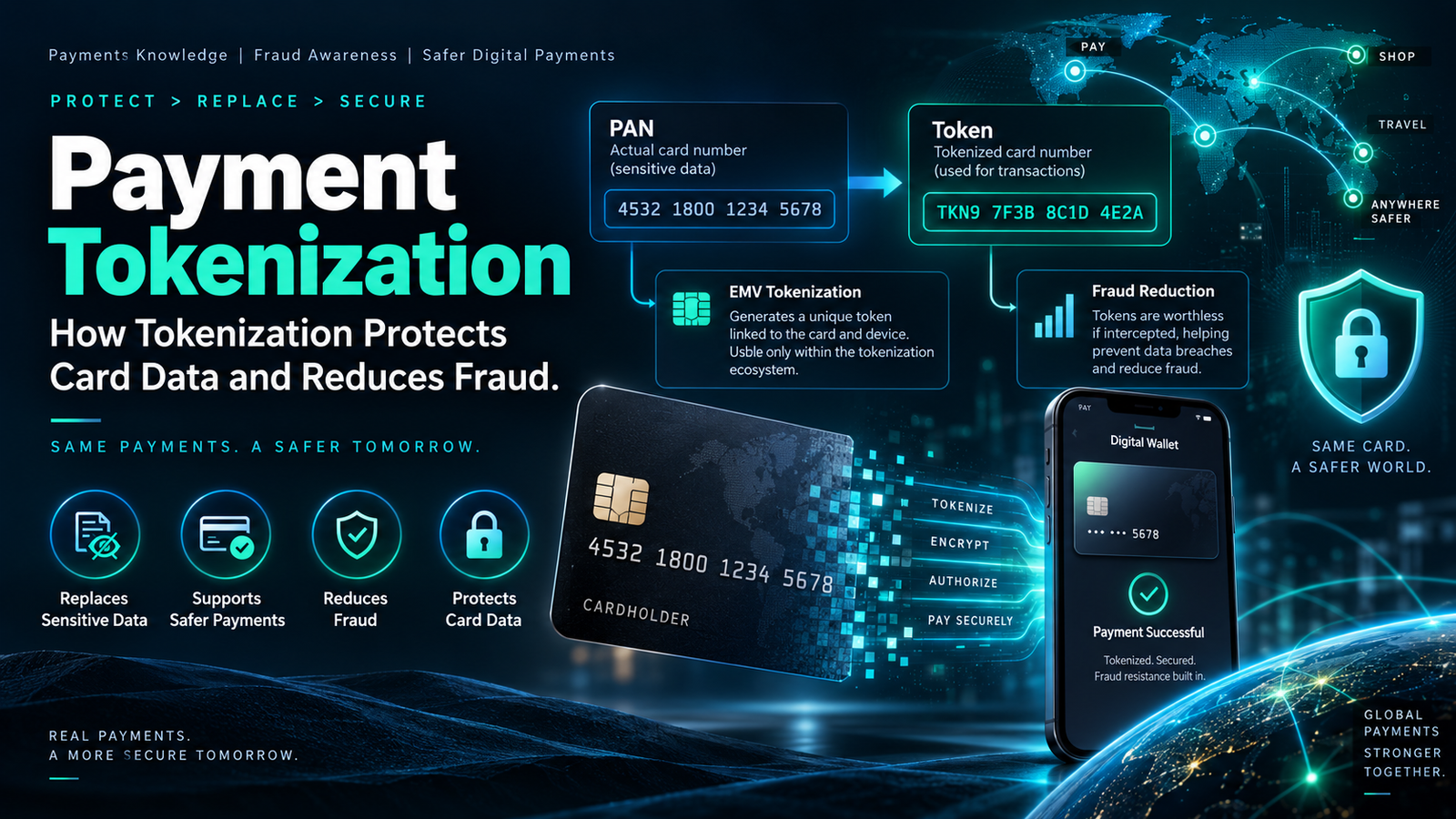
Modern EMV chip cards are substantially harder to counterfeit in this simple way. EMVCo explains that chip transactions validate the card and generate a one-time-use security code, which helps prevent counterfeit fraud. A card can still have a vulnerable magnetic stripe, however, and criminals may also use stolen card information in card-not-present fraud.
Quick answer: A cloned credit card is a counterfeit physical card carrying copied payment-card data, traditionally from a magnetic stripe. Skimming can provide the stolen data; cloning creates the counterfeit card; and unauthorized purchases or ATM withdrawals are possible fraud outcomes. EMV chips make simple cloning much harder because chip transactions use dynamic cryptographic data rather than relying only on static stripe information.
Safety scope: This article explains card cloning for fraud awareness. It does not provide magnetic-stripe encoding instructions, blank-card setup, skimmer construction, PIN-capture methods, card-testing techniques or cash-out guidance.
What Does “Cloned Credit Card” Mean?
A cloned card is a counterfeit card created with payment data copied from a legitimate card. The word “clone” is informal but widely used in fraud discussions and law-enforcement reporting.
The copy does not have to visually resemble the victim's original card. What matters to the fraud is whether stolen payment information has been reproduced onto another physical payment card or otherwise used without permission.
Cloned Card vs Stolen Card vs Counterfeit Card
Term | What it means | Key difference |
|---|---|---|
Cloned card | A counterfeit card containing copied payment data | The original physical card may still be with the victim |
Stolen card | The genuine card itself has been taken | The criminal has the real physical card |
Counterfeit card | A fake payment card used as if it were legitimate | Broader term that can include cloned cards |
Compromised card number | Card data has been stolen without necessarily creating a physical card | May be used online or in other card-not-present fraud |
How Card Cloning Fraud Works at a High Level
1. Card data is compromised.
The information may be captured through skimming, a compromised payment terminal, a data breach or another form of payment-data theft.
2. The stolen information is misused.
In traditional cloning schemes, magnetic-stripe data can be reproduced on a counterfeit physical card. Stolen data may also be abused online instead of being placed on a card.
3. Unauthorized transactions are attempted.
The counterfeit card may be presented at a merchant or ATM, subject to issuer, terminal and fraud-detection controls.

4. The legitimate cardholder discovers the fraud.
A transaction alert, statement entry, declined card or bank notification may reveal the compromise.
The Connection Between Skimming and Cloned Cards
Skimming is one of the best-known sources of data used in cloned-card fraud. The FBI says skimming devices capture card information from magnetic stripes and may also be paired with ways to observe PIN entry.
A U.S. Secret Service case describes criminals re-encoding stolen card-account information onto the magnetic stripes of counterfeit cards and then using those cards for fraudulent purchases and ATM cash withdrawals.
The important sequence is simple: skimming steals the data, cloning reproduces the data on a counterfeit card, and unauthorized transactions are the financial harm.
Why Magnetic Stripes Are Easier to Copy
Traditional magnetic stripes store static account information. If that data is stolen, the copied information can be reproduced more easily than the cryptographic behavior of a modern EMV chip.
The FBI recommends using chip-enabled cards when possible and notes that embedded microchips secure payments far better than magnetic stripes. It also warns that the magnetic stripe on the back of a chip card can still be vulnerable.
Can Criminals Clone an EMV Chip?
A simple magnetic-stripe copy is not the same thing as reproducing an EMV chip. EMVCo says a chip validates card authenticity and generates a one-time-use security code for each transaction.
That dynamic authentication is one reason chip technology is designed to reduce counterfeit-card fraud. Criminals can still target the stripe, steal card details for online use, compromise accounts or exploit other weaknesses, but a basic stripe-cloning technique does not recreate the chip's cryptographic security.

Magnetic Stripe vs EMV Chip
Feature | Magnetic stripe | EMV chip |
|---|---|---|
Transaction data | Primarily static card data | Uses chip authentication and a one-time security code |
Simple copying risk | Higher if stripe data is stolen | Designed to resist counterfeit cloning |
Skimming exposure | Traditional skimmers can capture stripe data | Chip data is harder to misuse as a simple clone |
Consumer preference | Avoid unnecessary swiping where safer options exist | Use chip or contactless where supported |
What About “Shimmers”?
Some law-enforcement and banking guidance uses the term “shimmer” for thin devices placed inside certain chip-card readers. These devices are part of the broader payment-data theft problem, but their presence does not mean an attacker can simply duplicate the full cryptographic functionality of an EMV chip.
For consumers, the practical response is the same: use trusted terminals, monitor transactions and contact the issuer quickly if anything unusual appears.
Can a Cloned Card Be Used at an ATM?
Counterfeit cards created from stolen magnetic-stripe data have historically been used at ATMs where the necessary authorization conditions are met. Law-enforcement cases have documented fraudulent ATM withdrawals using re-encoded counterfeit cards.
This does not mean every cloned card can be used at every ATM. Modern terminals, chip support, issuer controls, PIN requirements, geography and fraud monitoring all affect whether a transaction is approved.
Can a Cloned Card Be Used Online?
Online fraud usually does not require a physical cloned card. If a criminal has stolen card-account information, the same underlying data may be used in card-not-present fraud instead.
That is why a cardholder can be affected by both physical counterfeit-card fraud and online unauthorized transactions after a single card-data compromise.
Card Cloning vs Card-Not-Present Fraud
Fraud type | Physical card required? | Typical stolen asset |
|---|---|---|
Cloned-card fraud | Yes, a counterfeit physical card is used | Copied payment-card data, often magnetic-stripe data |
Card-not-present fraud | No | Card number and other payment details used remotely |
Lost/stolen-card fraud | Yes, the genuine card is used | The original physical card |
Warning Signs Your Card May Have Been Cloned or Compromised
Warning sign | Why it matters |
|---|---|
Unfamiliar in-person purchase | A merchant transaction appears in a place you did not visit. |
Unknown ATM withdrawal | Cash was withdrawn without your permission. |
Unexpected small transaction | A low-value charge may indicate unauthorized use of the card data. |
Issuer fraud alert | Your bank flags unusual card-present or ATM activity. |
Card suddenly declined | The issuer may have blocked the card after detecting suspicious activity. |
Multiple transactions in distant locations | The transaction pattern is inconsistent with your normal activity. |
How to Reduce the Risk of Card Cloning
- Inspect ATMs, fuel pumps and payment terminals for anything loose, crooked, damaged or unusual.
- Use chip or contactless payment instead of magnetic-stripe swiping when available.
- Cover the keypad when entering a PIN.
- Prefer well-lit, supervised ATMs, especially inside financial institutions when practical.
- Enable transaction alerts for card purchases and ATM withdrawals.
- Review card and bank statements regularly.
- Do not share PINs, card numbers or verification codes in response to unexpected messages.
Why Contactless Payments Can Help
Contactless card payments do not depend on swiping the magnetic stripe. While no payment method eliminates all fraud, using chip or contactless functionality can reduce exposure to traditional magnetic-stripe skimming at compromised readers.
What to Do If You Think Your Card Was Cloned
1. Contact the card issuer immediately.
Use the number on the back of the card, the official banking app or another trusted bank channel.
2. Lock or cancel the compromised card.
Ask the issuer to block unauthorized use and issue a replacement card if appropriate.
3. Report every unauthorized transaction.
Identify unfamiliar purchases and ATM withdrawals and follow the issuer's dispute process.
4. Change the PIN if the debit or ATM card may be affected.
Follow the bank's instructions, especially if the compromise may have involved PIN theft.

5. Review linked accounts and recent activity.
Look for additional unauthorized transactions or account changes.
6. Preserve evidence.
Keep fraud alerts, receipts, transaction dates and the location of any suspicious ATM or terminal.
Why Fast Reporting Matters
Consumer protections depend on the type of account and jurisdiction. In the United States, the FTC says liability rules differ for credit cards and ATM/debit cards, and the timing of a report can matter greatly for debit-card losses.
The safest rule is to report a missing card or unauthorized transaction as soon as you notice it rather than waiting for the next statement cycle.
Can Banks Tell a Card Was Cloned?
Banks and card issuers use fraud-detection systems that compare transaction behavior, geography, card-present signals and other risk information. A suspicious pattern can trigger a decline, fraud alert or card block.
Exact detection rules are intentionally confidential because publishing operational thresholds would make fraud controls easier to evade.
Cloned Credit Cards vs “Dumps”
“Dumps” is underground slang for stolen magnetic-stripe data. A cloned physical card is one possible misuse of such data, but the terms are not identical: the “dump” refers to the stolen data, while the clone refers to a counterfeit card carrying copied information.

This article intentionally does not describe the data formats, encoding process or how such information is acquired or used.
Frequently Asked Questions
What is a cloned credit card?
A cloned credit card is a counterfeit physical card carrying payment data copied from a legitimate card without the cardholder's permission.
How are cloned cards made?
At a high level, stolen payment-card data can be reproduced on a counterfeit card. This article does not provide cloning or encoding instructions.
What is the difference between skimming and cloning?
Skimming steals card data; cloning is the creation or use of a counterfeit card carrying copied data.
Can a chip credit card be cloned?
EMV chips are designed to resist simple cloning because they authenticate the card and create one-time transaction security data. Magnetic-stripe data on chip cards can still be targeted.
Can a cloned card be used at an ATM?
Counterfeit magnetic-stripe cards have historically been used for unauthorized ATM withdrawals, subject to PIN, issuer, terminal and fraud controls.
Can stolen card data be used online without cloning a physical card?
Yes. Card-not-present fraud can use stolen card information without creating a counterfeit physical card.
How do I know if my card was cloned?
Unrecognized purchases, ATM withdrawals, fraud alerts or impossible geographic transaction patterns can be warning signs.
What should I do if I suspect card cloning?
Contact the issuer immediately, lock or replace the card, report unauthorized activity and review linked accounts.
Does EMV eliminate card fraud?
No. EMV reduces counterfeit-card risk but criminals can still target magnetic stripes, online payments, accounts and other weak points.
How can I avoid skimmers?
Inspect card readers, cover PIN entry, prefer supervised ATMs and use chip or contactless payments where possible.
Final Thoughts
A cloned credit card is not a mysterious type of bank card. It is a counterfeit card created from stolen payment information, most commonly associated with copied magnetic-stripe data.
Skimming can provide the stolen data, while card cloning turns that data into a counterfeit physical card. EMV chip technology has made simple counterfeit cloning much more difficult by using dynamic cryptographic authentication, but magnetic stripes and other fraud channels remain important risks.
The best protection is practical: use chip or contactless payments, inspect card readers, shield your PIN, enable alerts and contact your card issuer immediately when unfamiliar activity appears.
Authoritative References
- FBI - Skimming
- U.S. Secret Service - Skimming Case: Counterfeit Cards and ATM Withdrawals
- U.S. Secret Service - Evolving POS Skimming Cyber Security Alert
- EMVCo - What Is EMV Chip?
- EMVCo - EMV Contact Chip
- FTC - Lost or Stolen Credit, ATM, and Debit Cards
- Europol - Fraud Against Payment Systems
Editorial note: This article is educational and defensive. It explains cloned-card fraud, skimming, EMV security, warning signs and victim response without providing magnetic-stripe encoding instructions, blank-card setup, skimmer construction, PIN-capture methods, card-testing procedures or cash-out techniques.