

Bank account takeover fraud happens when an unauthorized person gains control of an online banking or other financial account and uses that access to steal money, change account settings, collect sensitive information or support further fraud.
The attack often starts outside the bank itself. A criminal may impersonate bank support, send a phishing text or email, create a fake banking website, steal a reused password, or compromise an email account used for password recovery. The goal is to obtain enough access to act as the legitimate customer.
The FBI warned in 2025 that account takeover schemes were targeting financial, payroll and health-savings accounts through impersonation, phishing websites and social engineering. The agency said more than 5,100 ATO complaints had been reported to IC3 since January 2025, with reported losses exceeding $262 million at the time of the alert.
Quick answer: Bank account takeover is unauthorized control of a financial account. Common warning signs include unfamiliar logins, password or contact-detail changes, unexpected authentication codes, new payees and unauthorized transfers. The strongest defenses are trusted login habits, unique passwords, phishing-resistant MFA where available, transaction alerts and rapid contact with the bank when anything looks wrong.
Safety scope: This article explains account takeover defensively. It does not provide credential-stealing techniques, MFA-bypass instructions, transfer workflows, cash-out methods or advice for evading bank fraud controls.
What Is Bank Account Takeover Fraud?
Account takeover, often shortened to ATO, occurs when a criminal gains unauthorized access to a legitimate customer's account and begins acting as that customer.
In online banking, this can involve more than simply knowing the password. Full takeover may also include control of the recovery email or phone number, successful completion of authentication prompts, or changes to account security settings.
Account Takeover vs Stolen Bank Credentials
Concept | Meaning | Relationship |
|---|---|---|
Stolen credentials | Compromised username, password or related login information | Can be an entry point but may be blocked by MFA or risk controls |
Account takeover | Unauthorized control of the real account | The attacker has progressed beyond merely possessing credentials |
Identity theft | Misuse of a person's identity information | Can overlap with account takeover but is a broader category |
How Bank Account Takeover Happens at a High Level
1. The criminal targets the account holder.
The person may receive a fake bank alert, support call, phishing email, text message or fraudulent search result.
2. Authentication information is compromised.
The victim may be tricked into revealing a password, approving an unexpected prompt or entering credentials into a counterfeit banking page.
3. The criminal attempts to access the real account.
The bank's authentication and risk controls may block, challenge or allow the session depending on the circumstances.
4. Account settings may be changed.
If control is achieved, the criminal may try to change credentials or recovery information so the legitimate customer is locked out.
5. The account is abused.
Unauthorized financial activity, information theft or additional fraud can follow until the bank or customer detects the compromise.

Method 1: Fake Bank Calls and Support Impersonation
A criminal may call pretending to be a bank employee, fraud investigator or technical-support representative. The caller often creates urgency by claiming there is suspicious activity or that the account needs immediate protection.
The FBI warns that criminals use these conversations to manipulate victims into revealing login credentials, one-time codes or other information needed for account access.
- Do not trust caller ID as proof of identity.
- Do not disclose your password to an unexpected caller.
- Do not read one-time codes to someone who contacted you.
- Hang up and call the bank using the number on your card, statement or official website.
Method 2: Phishing Emails and Text Messages
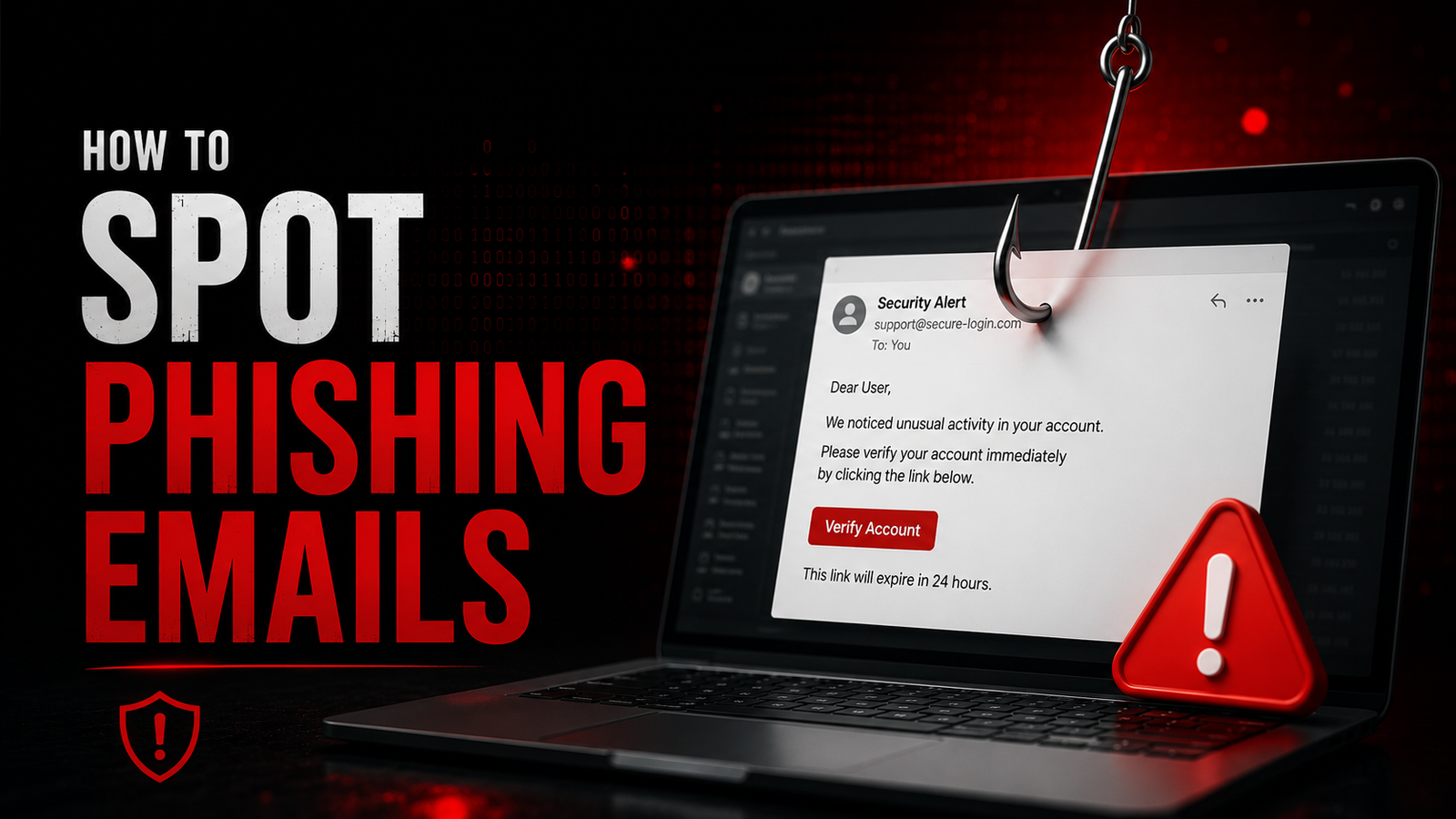
Phishing messages imitate trusted organizations and try to persuade a victim to click a link, open an attachment or provide financial information.
The FTC advises consumers not to use links in unexpected messages when trying to resolve a bank issue. If the message could be legitimate, contact the bank using a website or phone number you independently know is real.
Method 3: Fake Online Banking Websites
A fake banking site can closely imitate the bank's real login screen. Victims may reach it through phishing messages or fraudulent search advertisements.
The FBI has specifically warned about search-engine advertising and SEO poisoning that place fraudulent login pages where users expect to find the legitimate bank.

- Use the official bank app where possible.
- Bookmark the legitimate banking website.
- Avoid logging in through search advertisements.
- Check the domain carefully before entering credentials.
Method 4: Password Reuse and Credential Theft
When a password from one compromised service is reused for banking or email, attackers can try the same credential against other accounts. A unique banking password limits the damage if an unrelated website suffers a breach.
Method 5: Compromised Email Accounts
Email is frequently used for password resets, alerts and identity confirmation. A compromised email account can therefore become an important part of financial account takeover.
- Use a unique email password.
- Enable MFA on email.
- Review recovery addresses and phone numbers.
- Sign out unfamiliar sessions.
- Treat unexpected reset messages as potential compromise indicators.
Method 6: Social Engineering Around MFA
Multi-factor authentication significantly improves security, but criminals may try to defeat the human rather than the technology by persuading the account holder to approve a login or reveal a code.
CISA recommends MFA for financial accounts and encourages organizations to adopt phishing-resistant MFA because some older forms of MFA can still be targeted by social engineering.
The Most Important Warning Signs
Warning sign | Why it matters |
|---|---|
Unexpected login alert | A new device, browser or location appears without your activity. |
Password changed | You receive a password-change notice you did not initiate. |
Recovery information changed | Email, phone or security settings were modified. |
Unexpected MFA prompt | You receive a code or push request when you are not logging in. |
New payee or beneficiary | An unfamiliar recipient appears in the account. |
Unauthorized transfer or payment | Money moves without your approval. |
Locked out | Your normal credentials suddenly stop working. |
Missing alerts | Expected bank emails or texts stop arriving because contact settings were changed. |
Why Unexpected MFA Prompts Are Serious
An authentication prompt you did not initiate can mean someone already knows your username and password and is attempting to complete the login. Do not approve the request. Open the bank's official app or call the bank through a trusted number and review recent account activity.
How Banks Detect Suspicious Account Access
Financial institutions use layered risk controls rather than one single signal.
- Device and browser history
- Network and location context
- Login timing and behavior
- Changes to credentials or profile information
- Transaction and transfer patterns
- Risk-based authentication
- Customer verification for higher-risk actions
Exact bank thresholds and decision rules are intentionally confidential because publishing them would make fraud controls easier to evade.
Bank Account Takeover vs Bank Logs
“Bank logs” is underground slang for stolen online-banking access or credential packages. Account takeover describes the actual unauthorized control of the legitimate account.
A stolen credential package can fail because of MFA, expired passwords or bank risk controls; successful takeover means the attacker has progressed further.
Bank Account Takeover vs Carding Fraud
Carding fraud centers on stolen payment-card credentials. Bank account takeover centers on unauthorized control of online banking or another financial account. Both can involve phishing and stolen credentials, but the targeted systems and security controls are different.
Bank Account Takeover vs Money Mule Fraud
A money mule receives or moves illicit funds for someone else. Account takeover is one possible upstream source of stolen funds, while mule accounts can be used downstream to receive fraud proceeds. The roles are related in some fraud chains but should not be confused.
How Consumers Can Prevent Account Takeover
- Use a unique, strong password for online banking.
- Enable MFA and use phishing-resistant MFA where the bank supports it.
- Use the bank's official app or bookmarked website.
- Avoid logging in from links in unexpected email or text messages.
- Do not share passwords or one-time codes with callers.
- Keep the email account connected to banking well protected.
- Enable login and transaction alerts.
- Review account activity frequently.
- Keep phones, browsers and computers updated.
Why Phishing-Resistant MFA Is Better
CISA recommends phishing-resistant MFA for organizations because it reduces reliance on authentication methods that can be socially engineered. Consumers may not be able to choose every authentication method their bank supports, but when stronger methods such as hardware-backed or passkey-style authentication are offered, they can provide better protection than passwords alone.
What Businesses Should Do for Corporate Banking Accounts
- Use separate user accounts rather than shared banking credentials.
- Require MFA for all users with banking privileges.
- Separate payment initiation and approval roles where supported.
- Use least-privilege access.
- Verify unusual payment or bank-detail changes through a separate trusted channel.
- Train staff to recognize fake bank support and fraudulent search results.
- Review privileged-account activity and alerts.
- Maintain a documented emergency contact path with the financial institution.
What to Do Immediately If You Suspect Account Takeover
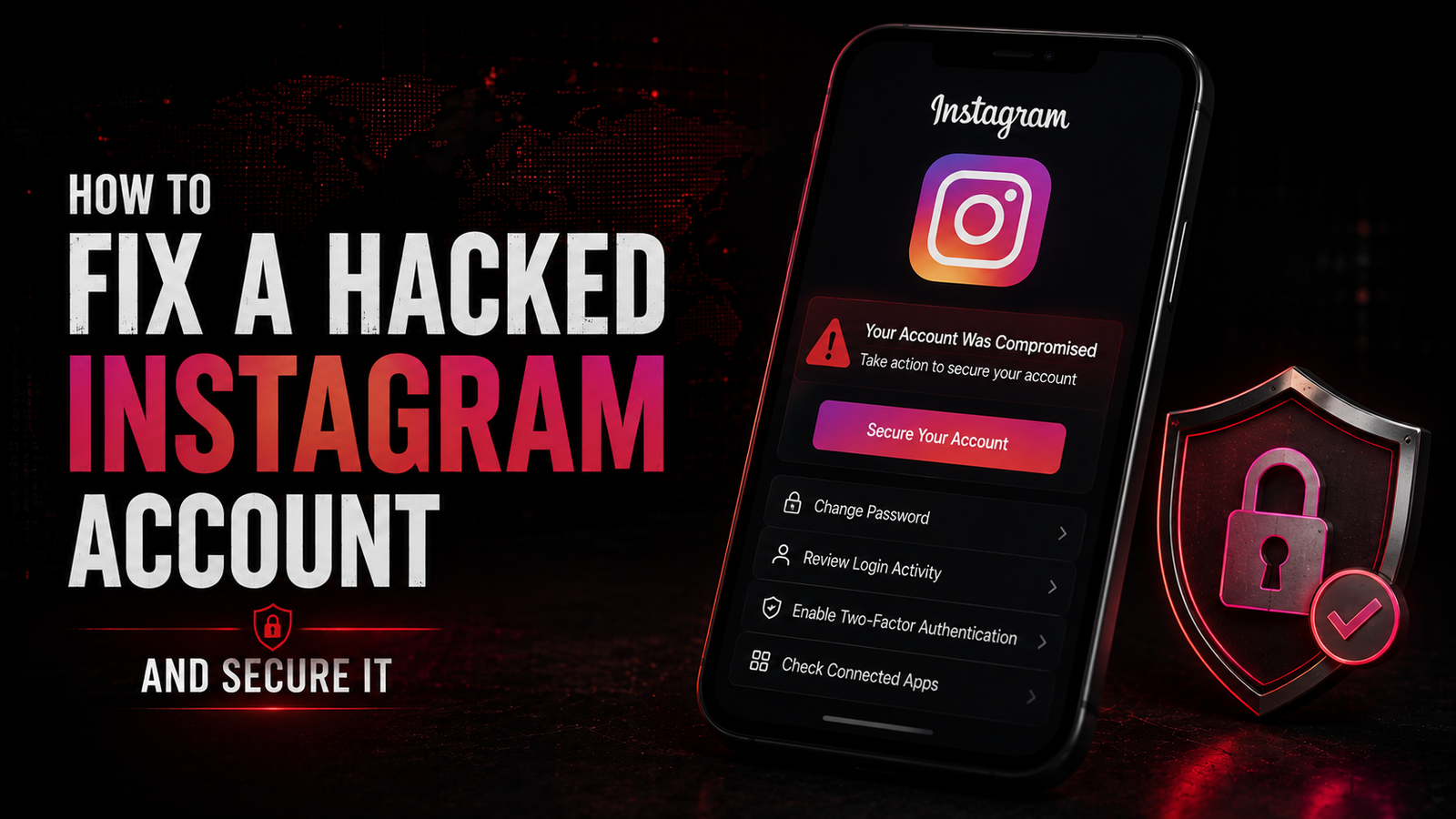
1. Contact the bank immediately.
Use the number on your card, statement or official banking website. Tell them the account may be compromised.

2. Ask the bank to secure access.
Follow its process for locking access, reviewing sessions and protecting funds.
3. Report unauthorized transactions.
Provide dates and amounts for transfers or payments you do not recognize.
4. Reset compromised credentials.
Change banking and connected email passwords through legitimate recovery channels.
5. Review security settings.
Check contact details, recovery information, devices and beneficiaries/payees.
6. Secure other accounts.
Change reused passwords elsewhere and enable MFA.
7. Preserve records.
Keep fraud-reference numbers, messages and relevant screenshots for legitimate reports.
Why Speed Matters After a Fraudulent Transfer
The FBI advises victims to contact their financial institution as soon as fraud is recognized because rapid reporting can improve the chance of recalling or restricting fraudulent transfers. Recovery depends on the transaction type, timing, bank procedures and jurisdiction, so consumers should not wait for additional suspicious activity before reporting a known unauthorized transfer.
Should You Contact Law Enforcement?
Follow the reporting guidance for your country. In the United States, the FBI directs victims of cyber-enabled account takeover and fraudulent wire activity to the Internet Crime Complaint Center at IC3.gov. If wider identity theft is involved, additional identity-theft reporting and credit protections may also be appropriate.
Common Misconceptions
- Myth: MFA makes account takeover impossible. Reality: MFA greatly improves security, but phishing and social engineering can still target users.
- Myth: Caller ID proves the bank is calling. Reality: caller ID can be spoofed.
- Myth: A bank employee needs your password to stop fraud. Reality: legitimate support should not require you to disclose your password.
- Myth: A security code is safe to share if the caller already knows your name. Reality: personal details can be stolen or purchased and do not prove identity.
- Myth: If no money has moved yet, there is no problem. Reality: unauthorized logins or account-setting changes can be early signs of takeover.
Frequently Asked Questions
What is bank account takeover fraud?
It is unauthorized control of an online banking or financial account, usually with the goal of stealing money or information.
What are the warning signs of a bank account takeover?
Common signs include unfamiliar login alerts, password changes, unexpected MFA prompts, new payees, unauthorized transfers and changes to contact information.
How do criminals take over bank accounts?
Common high-level methods include phishing, fake bank websites, support impersonation, stolen passwords and compromise of connected email accounts.

Can a bank account be hacked even with MFA?
MFA makes takeover much harder, but criminals may still use phishing or social engineering to trick users into approving access. Phishing-resistant MFA provides stronger protection where available.
Why did I receive an MFA code I did not request?
Someone may be attempting to log in using your credentials. Do not share or approve the code and contact the bank through a trusted channel.
Can caller ID be trusted when a bank calls?
No. Caller ID can be spoofed. End unexpected calls and contact the bank using an official number.
Should I click a bank's search advertisement to log in?
It is safer to use the official banking app, a bookmark or an address you independently know is genuine.
What should I do if my bank account is taken over?
Contact the bank immediately, report unauthorized activity, reset compromised credentials, secure connected email accounts and review account settings.
Is bank account takeover the same as identity theft?
They can overlap, but account takeover specifically concerns unauthorized control of an existing account, while identity theft is broader.
How can businesses protect corporate bank accounts?
Use MFA, individual user accounts, least privilege, dual approval where supported, payment-change verification and regular review of account activity.
Final Thoughts
Bank account takeover fraud succeeds when criminals gain enough trust, credentials or authentication access to act as the legitimate customer.
The most effective prevention strategy is layered: secure passwords, strong MFA, trusted navigation to banking websites, protected email accounts, transaction alerts and skepticism toward unexpected bank-support contacts.
When warning signs appear, speed matters. Contact the bank through a trusted channel, secure access, review transactions and report unauthorized activity before the attacker has more time to change settings or move funds.
Authoritative References
- FBI - Account Takeover Fraud via Impersonation of Financial Institution Support
- FBI - Cybercriminals Impersonating Employee Self-Service Websites
- FTC - How To Recognize and Avoid Phishing Scams
- FTC - Protect Yourself From Phishing Scams
- CISA - More Than a Password: Multifactor Authentication
- CISA - Require Multifactor Authentication
- CISA - Implementing Phishing-Resistant MFA
Editorial note: This article is educational and defensive. It explains account takeover warning signs, common threat categories and prevention without providing methods for stealing credentials, bypassing authentication, moving stolen funds or evading financial-institution controls.