


Introduction
BIN and IIN are two terms that frequently appear in payment-card documentation, fraud-prevention systems, merchant dashboards, and payment APIs. They are often used as though they mean exactly the same thing, which can make the terminology confusing.
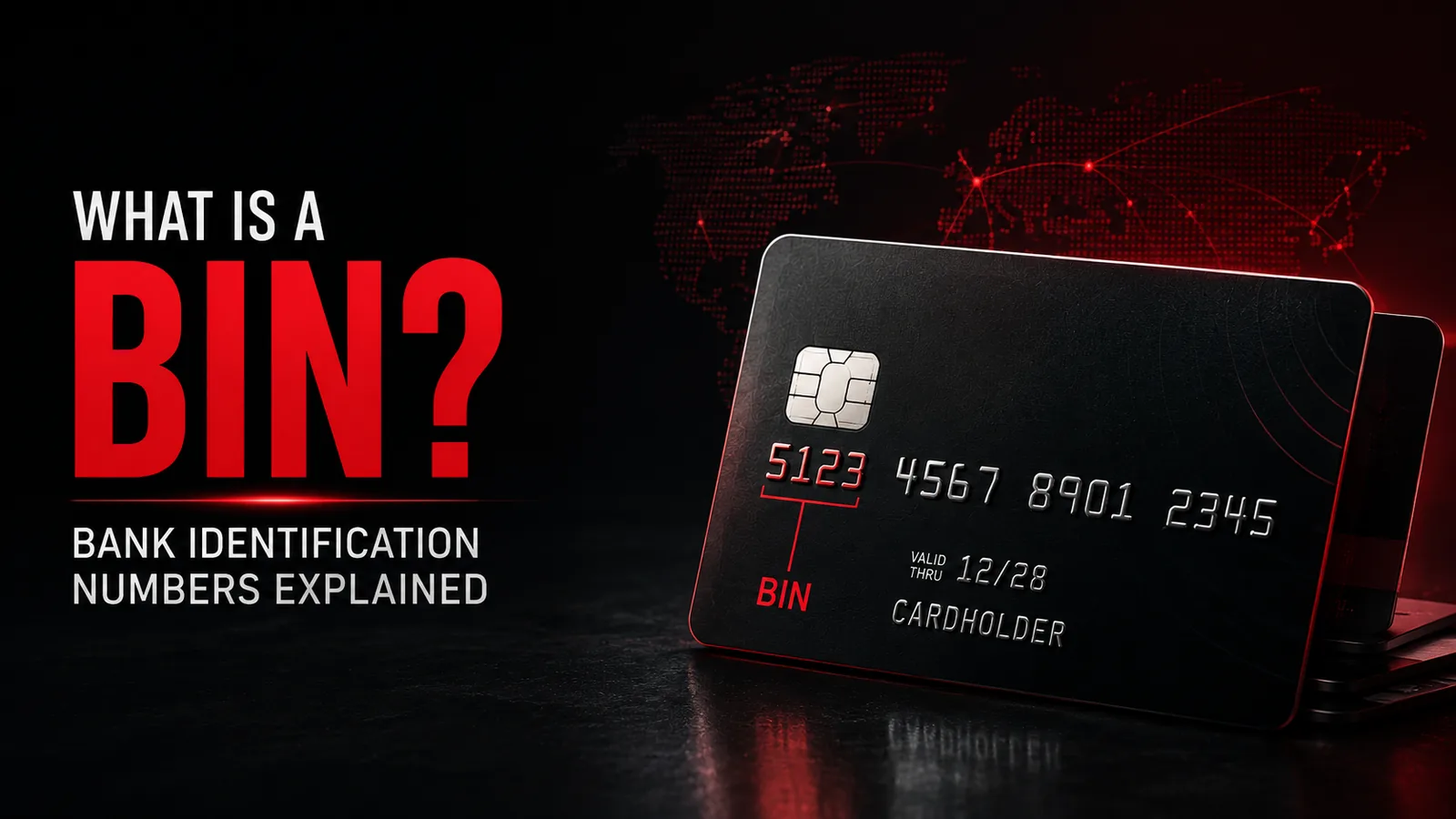
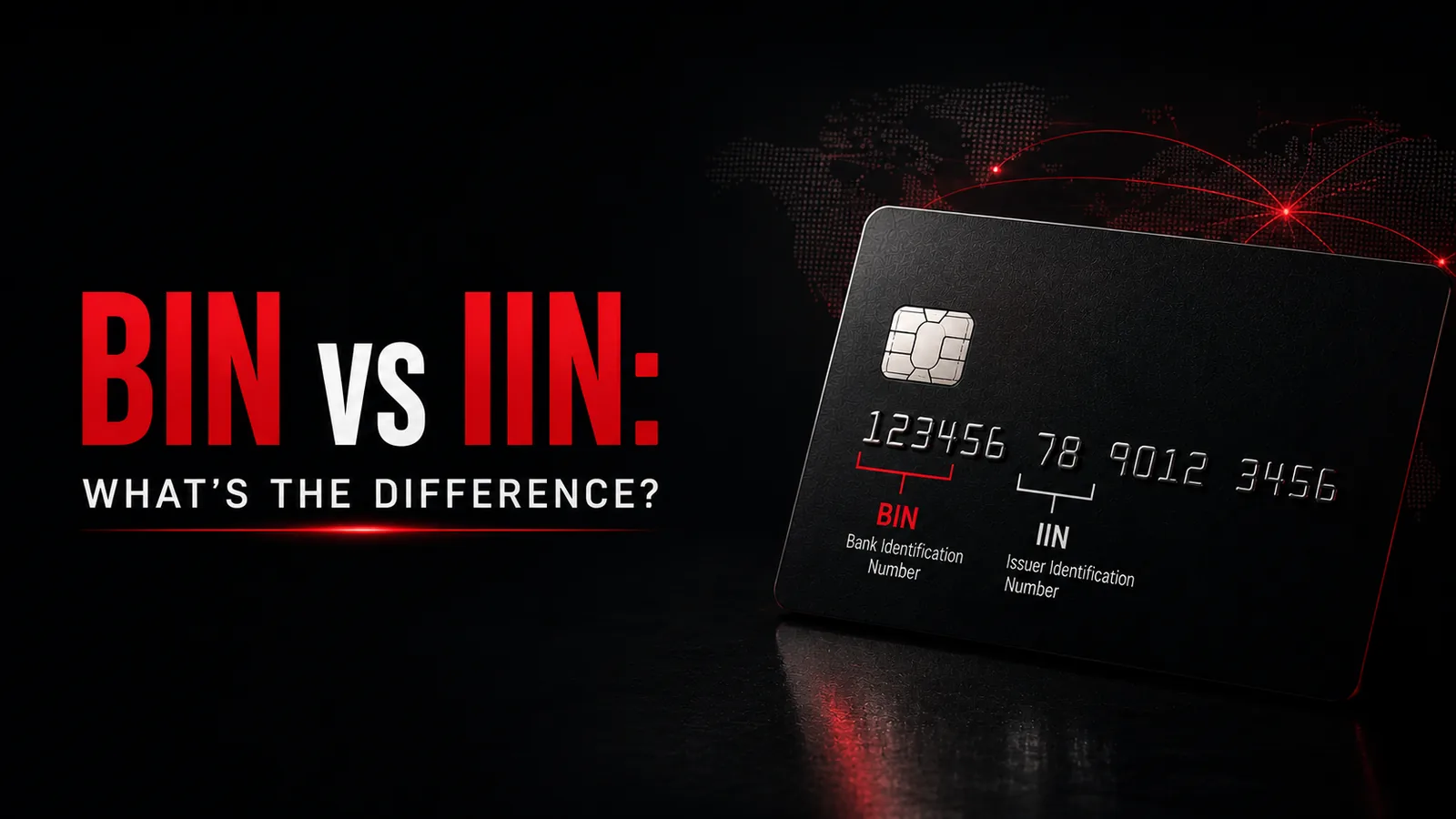
BIN stands for Bank Identification Number. IIN stands for Issuer Identification Number. In modern payment standards, IIN is the more technically general term because not every payment-card issuer is literally a bank. Nevertheless, BIN remains deeply established in the payments industry and is still used by major networks such as Visa and Mastercard.
In most everyday payment-industry contexts, BIN and IIN refer to the leading issuer-identification digits of a Primary Account Number, or PAN. The biggest modern change is that many payment systems have moved from the traditional six-digit issuer identifier toward an eight-digit structure.
This guide explains the difference from a payment-security and processing perspective without providing misuse-oriented card targeting or lookup instructions.
Quick Answer: BIN vs IIN
BIN means Bank Identification Number.
IIN means Issuer Identification Number.
The two terms usually refer to the same issuer-identification concept at the beginning of a payment-card PAN.
IIN is the standards-oriented and more general term. BIN is the older and still extremely common industry term.
Visa, for example, continues to use the term BIN and describes Visa BINs as six- to eight-digit identifiers licensed to issuers. Mastercard likewise describes the first eight digits used in its BIN Lookup service as the BIN.
Why Are There Two Different Terms?
The term Bank Identification Number became common when banks were the most visible organizations issuing payment cards.
But today's card ecosystem includes banks, credit unions, fintech programs, prepaid programs, commercial-card issuers, sponsored programs, and other licensed entities.
Issuer Identification Number is therefore more general because it identifies the issuing institution or program rather than assuming the issuer must be a traditional bank.
Even so, the payments industry had already used BIN for decades, so both terms continue to coexist.
Which Term Is Official: BIN or IIN?
In standards language, IIN is the more formal term. ISO/IEC 7812 defines the numbering system for identification cards and the Issuer Identification Number.
Payment networks and processors, however, still use BIN extensively in operational documentation, products, APIs, routing tables, and merchant tools.
Therefore, neither term should automatically be considered 'wrong.' The important thing is to understand the context in which it is being used.
How BIN and IIN Fit Into the PAN
Both terms refer to the issuer-identification portion at the beginning of the Primary Account Number.
The PAN is the complete payment-card account number used in card processing. The leading issuer identifier helps payment participants determine which institution or payment program is responsible for the account.
The remaining PAN structure then distinguishes account ranges and individual cardholder accounts according to the issuer's numbering system.
A BIN or IIN therefore identifies an issuer or program range; it does not uniquely identify one cardholder.
BIN vs IIN Comparison
Term: BIN. Full name: Bank Identification Number. Common use: payment-industry operations, network documentation, merchant tools, routing, fraud systems, and legacy terminology.

Term: IIN. Full name: Issuer Identification Number. Common use: ISO standards language and technically precise descriptions of issuer identification.
Practical relationship: in many payment contexts they refer to the same leading issuer-identification digits of the PAN.
Modern length: eight-digit issuer identifiers are now widely supported, although six-digit BIN terminology remains present in older systems and documentation.
Why BIN Is Still Used If IIN Is More Accurate
Payment infrastructure evolves gradually. Terminology becomes embedded in software, contracts, network rules, databases, fraud platforms, merchant systems, and internal documentation.
The word BIN has therefore remained common even after the broader term IIN became more appropriate.
Visa still operates services such as its BIN Attribute Sharing Service and 8-Digit BIN initiative. Mastercard similarly uses the term BIN in its BIN Lookup product and account-range documentation.
This is a normal example of an older industry term surviving because it remains widely understood.
The Shift From 6-Digit to 8-Digit BINs/IINs
Historically, issuer identification was commonly based on the first six digits of the PAN.
As payment-card programs expanded globally, available six-digit issuer identifiers became more constrained. The industry therefore expanded issuer identification to eight digits to create additional numbering capacity.
Visa states that it now assigns eight-digit BINs and no longer assigns new six-digit issuing BINs. Mastercard's current BIN Lookup documentation likewise describes the BIN as the first eight digits of a card account number.
This migration affected issuers, acquirers, merchants, processors, fraud systems, reporting tools, databases, and software that had historically assumed a six-digit structure.
Does Every Existing 6-Digit BIN Become One 8-Digit BIN?
Not necessarily. An older six-digit issuer range can contain many more specific eight-digit ranges.

This means software should not simply assume that one historical six-digit value corresponds to one modern eight-digit program.
Payment providers should use current network and processor data rather than deriving modern issuer attributes from outdated static six-digit assumptions.
This is especially important for routing, product attributes, fraud analysis, and reporting.
Why the 8-Digit Change Matters to Merchants
Merchants may use issuer-range information for legitimate purposes such as routing, checkout customization, fraud-risk context, reporting, and payment analytics.
A system that stores only six digits when eight are needed can classify transactions incorrectly or group together card programs that should now be distinguished.
Visa provides specific guidance encouraging payment-industry participants to review applications and processes affected by the eight-digit BIN migration.
Merchants should normally obtain current BIN or account-range information from their acquirer, processor, payment provider, or authorized network data source.
Does the 8-Digit BIN Change PCI DSS Requirements?
The move to eight-digit issuer identification does not by itself remove the need to protect payment-card data.
Mastercard's guidance on 8-digit BIN expansion states that the change does not directly affect PCI DSS compliance requirements.
The full PAN remains payment-account data and should be handled according to applicable PCI DSS requirements.
Businesses should not interpret a longer BIN as permission to expose more of a card number than their legitimate business purpose and applicable security requirements allow.
BIN/IIN vs Account Range
BIN or IIN and account range are related concepts but should not always be treated as identical.
Payment networks can subdivide a BIN into smaller account ranges with specific product, routing, or program attributes.
Mastercard describes BINs as falling within account ranges and maintains account-range data used by payment participants for transaction routing.
Visa similarly makes BIN and account-range attributes available through authorized payment services.
For merchants, the practical lesson is that precise payment attributes may exist below the simple historical six-digit BIN level.
What Information Can BIN/IIN Data Tell a Payment System?
Authorized network and processor data can associate issuer identifiers or account ranges with payment-program attributes.
Visa says BIN attributes may include issuer name, issuer country, funding source such as credit or debit, and product platform such as consumer or commercial.

Mastercard's BIN services likewise provide issuer and account-range information to authorized users.
These are card-program attributes. They do not reveal a cardholder's password, PIN, CVV, balance, available credit, or personal identity by themselves.
Does BIN or IIN Identify the Cardholder?
No. BIN and IIN identify an issuer or payment-program range, not one specific customer.
Many individual payment cards can share the same BIN or IIN.
The complete PAN contains additional account-specific information, and even the PAN itself should not be confused with a full identity profile or online-banking credential.
A BIN or IIN alone cannot reveal a person's name, address, PIN, CVV, current balance, transaction history, or available credit.
Can a Bank Have More Than One BIN or IIN?
Yes. Large issuers can operate multiple issuer identifiers and account ranges.
Different ranges can support different card products, countries, commercial programs, consumer programs, funding types, processing arrangements, or co-branded products.
This is another reason a BIN is better understood as a program or issuer-range identifier rather than a one-to-one identifier for an entire financial institution.
Can Multiple Cards Share the Same BIN/IIN?
Yes. This is normal.
The issuer identifier describes a range. Individual cardholder accounts are distinguished by the rest of the PAN structure.
Therefore, knowing a BIN or IIN does not identify one particular payment card.
BIN/IIN vs Card Network
The issuer identifier and payment-network brand describe different parts of the ecosystem.
An issuing institution creates or sponsors the card account. A payment network provides infrastructure and rules that allow transactions to move between merchants, acquirers, issuers, and other participants.
A card can therefore be issued by one institution while operating on a network such as Visa or Mastercard.
BIN or IIN data can help identify the issuing relationship, but the network logo by itself is not the issuer.
BIN/IIN vs Issuer
The issuer is the institution or licensed entity responsible for the payment-card account.
The BIN or IIN is the numeric identifier associated with the issuer or program range.
One issuer can have multiple identifiers, and individual identifiers can be used for particular products or programs.
The identifier is therefore a routing and classification tool rather than the issuer organization itself.
BIN/IIN vs Acquirer
The issuer belongs to the cardholder side of a card transaction. The acquirer belongs to the merchant side.
A simplified transaction flow is merchant to acquirer to payment network to issuer.
Issuer-identification data helps the payment system determine where the authorization request should ultimately be routed.
Acquirers also have identifiers and network relationships, but these should not be confused with the cardholder's issuing BIN or IIN.
Are BIN and IIN Security Codes?
No. They are identifiers, not secret authentication values.

Payment security should not depend on hiding issuer ranges. BIN or IIN information is used for legitimate routing and program classification throughout the payment ecosystem.
Security instead relies on controls such as secure handling of the PAN, EMV chip technology, tokenization, customer authentication, fraud analytics, transaction monitoring, and PCI DSS.
Knowing an issuer identifier does not authorize anyone to use a card account within that range.
How BIN/IIN Data Supports Fraud Prevention
Issuer and product attributes can provide useful context during fraud analysis.
For example, a payment platform may consider issuer-country or product information alongside customer history, authentication outcomes, device signals, transaction behavior, merchant information, and other risk indicators.
Visa lists fraud management as one permissible use of BIN Attribute data.
However, BIN or IIN information should not be used as the only fraud decision because legitimate customers frequently travel, use internationally issued cards, or use different card products.
Why Static BIN Lists Can Become Outdated
Payment programs change. Issuers launch products, ranges are reassigned or subdivided, tokenized credentials can have different characteristics, and eight-digit issuer identification creates greater granularity than older six-digit datasets.
For these reasons, merchants should avoid relying indefinitely on downloaded or manually maintained BIN lists.
Current network, processor, acquirer, or payment-provider data is usually more appropriate for operational payment decisions.
Outdated BIN assumptions can cause incorrect routing, inaccurate product classification, and unnecessary false declines.
BIN/IIN and Tokenized Payments
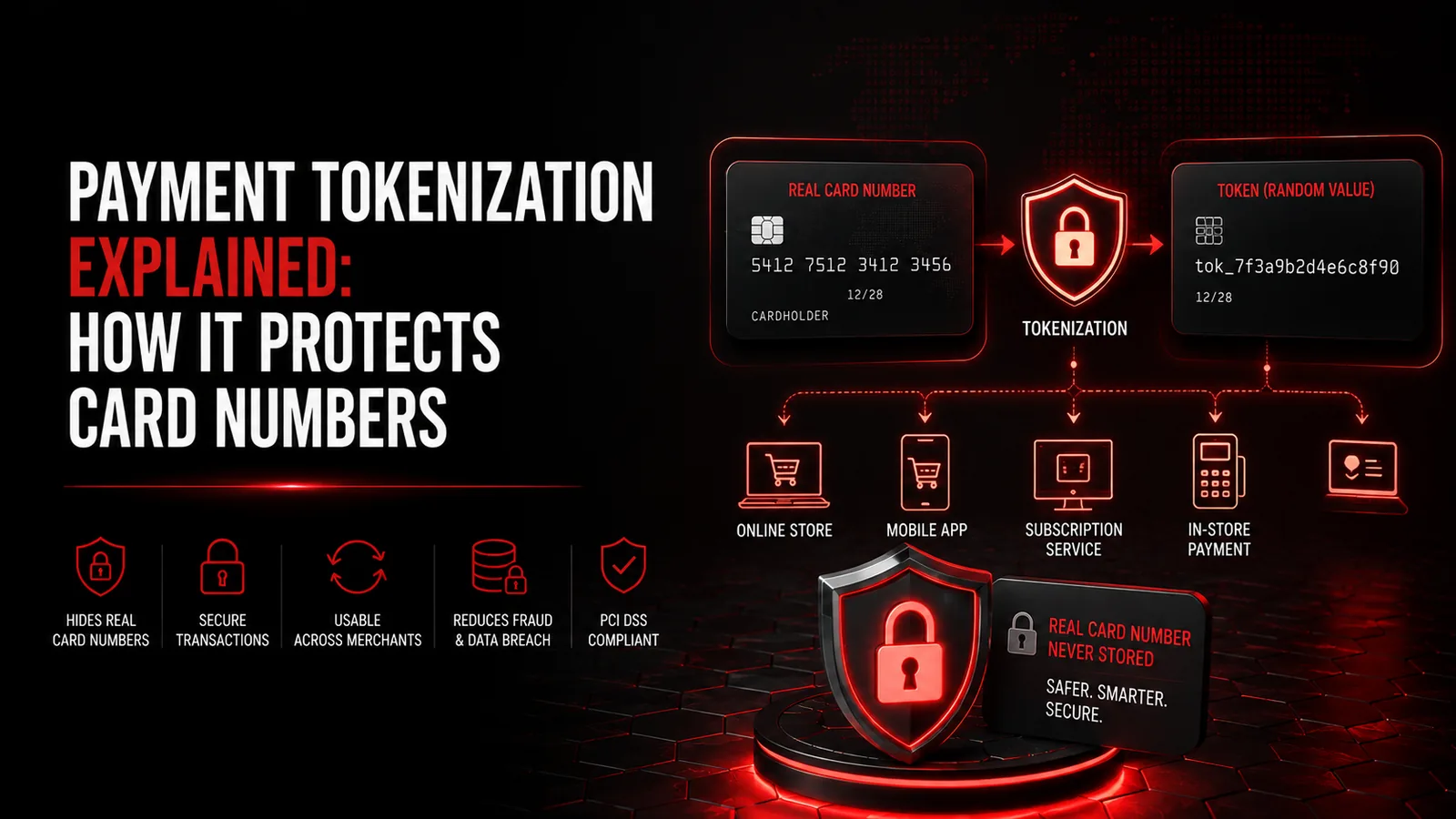
Digital wallets and tokenized payment systems can replace the underlying PAN with a payment token.
That token may have issuer or account-range characteristics different from the original physical-card credential.
This makes modern payment classification more complex than simply examining the visible digits of a traditional plastic card.
Payment platforms should rely on token-aware network or processor information where appropriate.
BIN/IIN and Virtual Cards
Virtual cards are digital payment credentials that still exist within issuer and payment-network numbering frameworks.
They may be associated with specialized commercial, consumer, travel, purchasing, or single-purpose programs.
Issuer-range attributes can help authorized payment systems understand those programs, but the BIN or IIN alone still does not identify the individual cardholder.
Common Myths About BIN vs IIN
Myth: BIN and IIN are completely different parts of a card number. Reality: in most payment contexts they describe the same issuer-identification portion of the PAN.
Myth: BIN is wrong and only IIN should ever be used. Reality: IIN is the more formal standards term, but major payment networks still use BIN extensively.
Myth: BIN is always six digits. Reality: modern issuer identification has expanded to eight digits across major payment systems.
Myth: An eight-digit BIN makes the card less secure. Reality: the expansion primarily increases numbering capacity and does not replace payment-security controls.
Myth: A BIN or IIN identifies one cardholder. Reality: many cards can share the same issuer range.
Myth: BIN/IIN data can tell whether a transaction will be approved. Reality: authorization depends on account status, issuer decisions, authentication, fraud controls, funds or credit, and transaction context.
Myth: BIN/IIN is a secret security value. Reality: it is issuer-identification and routing metadata, not an authentication secret.
Conclusion
BIN and IIN are not competing technologies. They are two names used for the issuer-identification concept at the beginning of a payment-card number.
IIN is the standards-oriented term because it refers broadly to the issuer, while BIN remains deeply embedded in payment-network operations and everyday industry language.
The more important modern distinction is not the wording but the move from historical six-digit issuer identification toward eight-digit structures and more detailed account-range data.
For consumers, the terminology helps explain how payment-card numbers are organized. For merchants and payment professionals, accurate issuer-range information supports routing, reporting, checkout optimization, and fraud-risk analysis.
In every case, BIN or IIN information should be treated as payment metadata rather than authentication. Real payment security depends on layered controls such as PCI DSS, tokenization, EMV technology, customer authentication, and fraud monitoring.