


Introduction
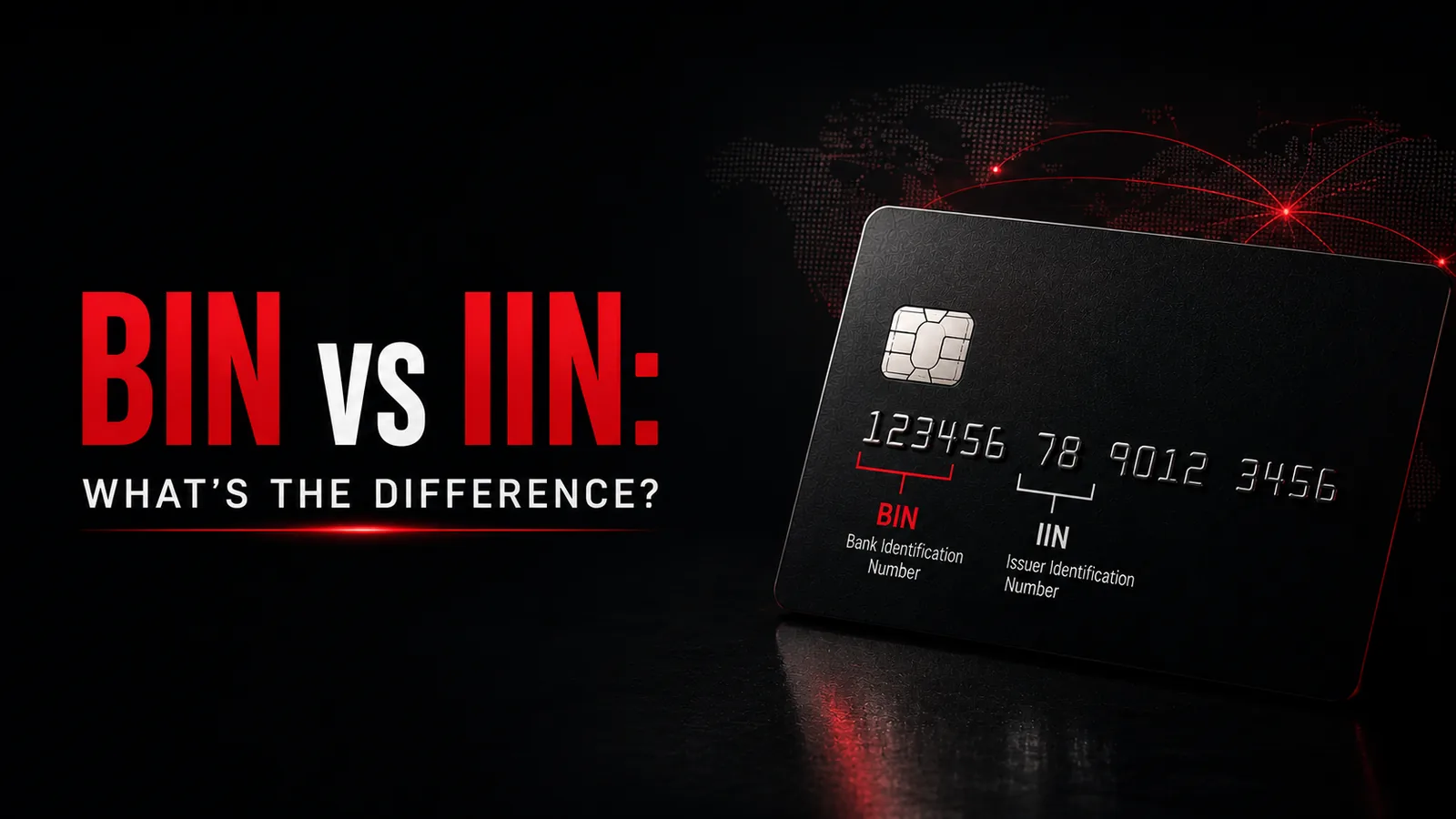
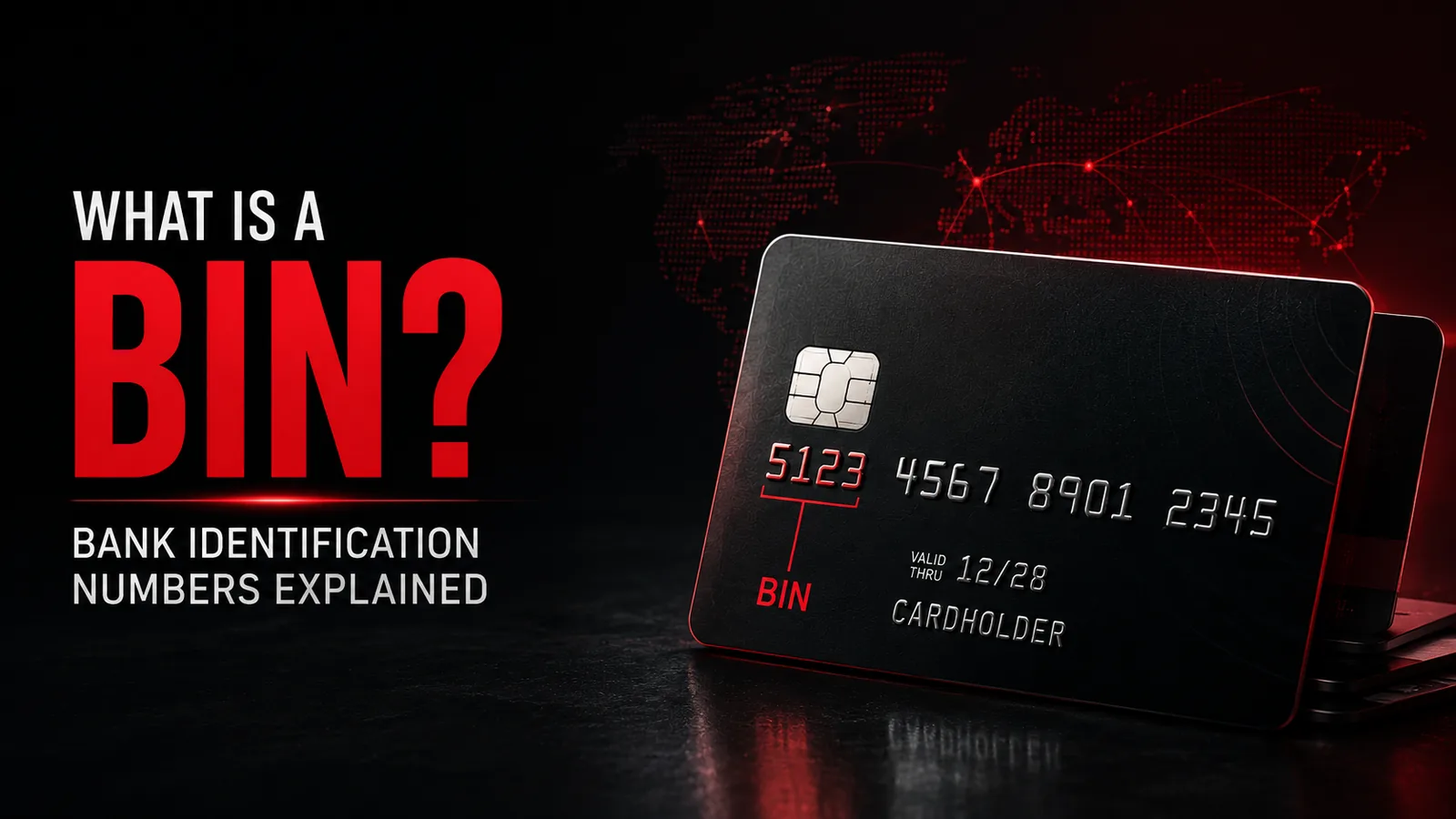
A Bank Identification Number, commonly shortened to BIN, is an identifying number at the beginning of a payment-card account number. In modern payment standards, the formal term is often Issuer Identification Number, or IIN.
BINs and IINs help payment systems determine which institution or program is responsible for a card account so transactions can be routed and processed correctly. They can also carry useful attributes about the card program, such as the issuer, product, licensed country, or payment category.
A BIN is not the full card number, does not identify an individual cardholder by itself, and should not be treated as proof that a transaction is legitimate. This guide explains BINs from a payment-security and fraud-awareness perspective without providing misuse-oriented lookup or targeting instructions.
Quick Answer: What Is a BIN?
BIN stands for Bank Identification Number. Visa describes BINs as 6- to 8-digit numbers licensed to issuers and notes that BIN attributes can include information about the issuer, product, and licensed country.
The formal standards terminology is Issuer Identification Number, or IIN. ISO/IEC 7812 defines the numbering system used for identifying card issuers and specifies the format of the IIN and the Primary Account Number.
In practical payment-industry language, BIN and IIN are often used interchangeably, although payment networks may also use broader account-range concepts for routing and product management.
BIN vs IIN: Are They the Same?
For most educational purposes, BIN and IIN refer to the same leading issuer-identification portion of a payment-card number.
Visa's developer glossary explicitly states that its BIN is also known as the Issuer Identification Number, or IIN.
The name 'Bank Identification Number' is older and remains widely used even though card issuers are not always traditional banks. 'Issuer Identification Number' is therefore the more technically general term.
How Many Digits Is a BIN?
Historically, payment-card BINs were commonly six digits long. The industry has expanded to eight-digit issuer identifiers to increase the number of available identifiers as card programs and payment products continue to grow.
Visa states that it expanded Visa BINs from six digits to eight digits as part of the industry-wide numerics initiative.
This means older documentation, databases, and software may still assume a six-digit BIN, while modern systems need to support eight-digit issuer identification where applicable.
Some payment-network documentation also discusses longer account ranges used for routing and product-level data. Those account ranges should not be confused with the formal ISO IIN itself.
Where Is the BIN Located in a Card Number?
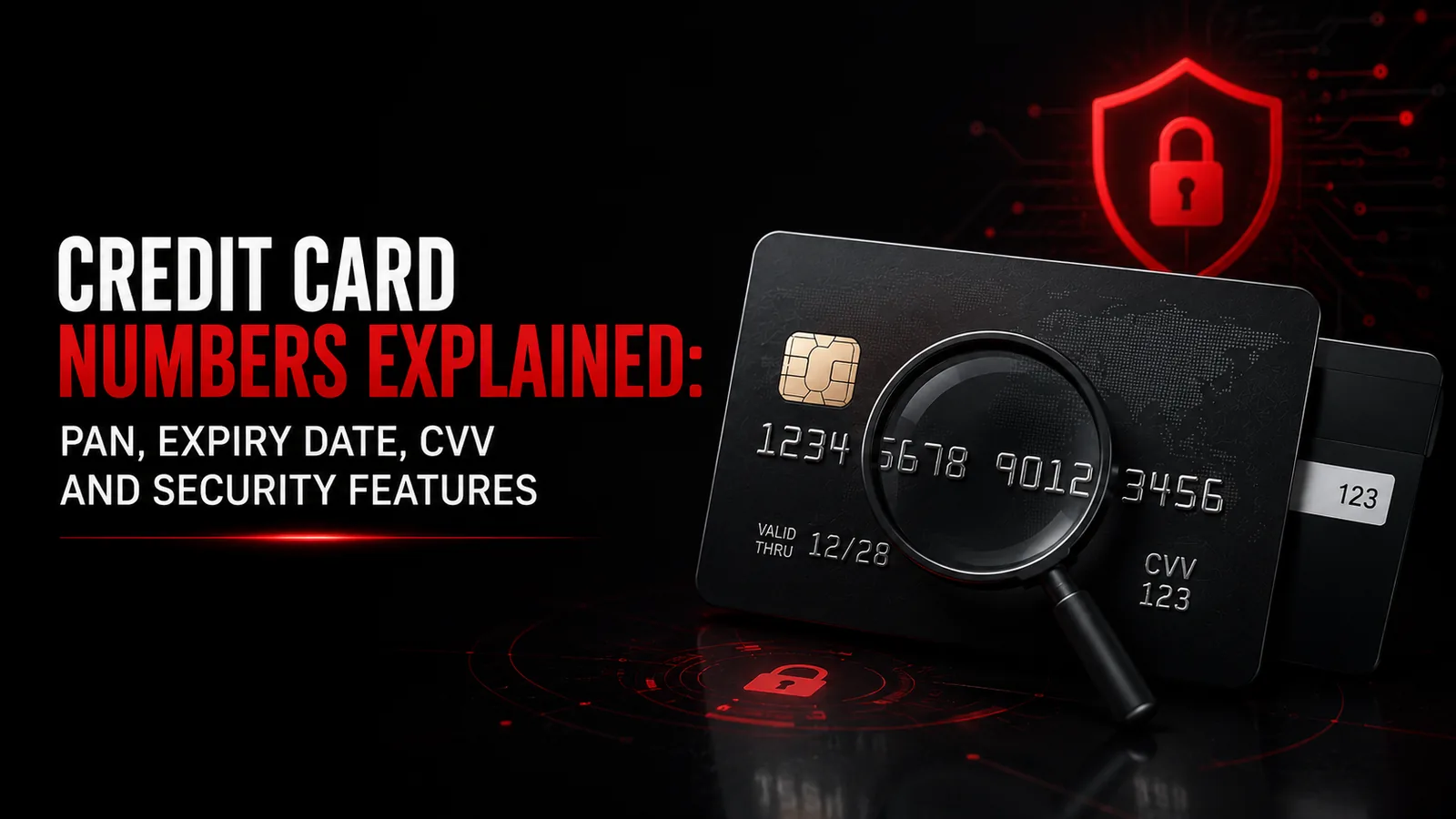
The BIN or IIN appears at the beginning of the Primary Account Number, or PAN.
PCI Security Standards Council defines the PAN as the unique payment-card number that identifies the issuer and the particular cardholder account.
The issuer-identification portion is therefore part of the larger PAN, not a separate secret printed somewhere else on the card.
BIN vs PAN: What's the Difference?
The PAN is the complete payment-card account number used in transaction processing. The BIN or IIN is only the leading issuer-identification portion of that PAN.
A BIN can identify the issuing institution or payment program, while the remaining PAN digits distinguish individual account ranges and cardholder accounts according to the issuer's numbering structure.

A BIN by itself is not a complete card credential and cannot identify one specific cardholder account.
What Information Can a BIN Represent?
Payment networks can associate a BIN or account range with attributes used for legitimate payment processing and business operations.
Visa says BIN attributes can provide information such as the product, issuer, and licensed country. Mastercard maintains BIN and account-range data to provide payment participants with accurate assignment information for routing transactions globally.
Depending on the network and service, attributes may describe the issuer, card program, product category, funding type, commercial or consumer classification, or geographic licensing information.
These are payment-program attributes, not personal identity details about the individual cardholder.
Does a BIN Reveal the Cardholder's Name or Address?
No. A BIN identifies an issuer or card program, not an individual person's identity.
It does not by itself reveal the cardholder's name, home address, password, PIN, CVV, account balance, or transaction history.
A legitimate payment provider may combine BIN data with other transaction information for routing, fraud analysis, customer experience, or compliance, but the BIN alone is not a personal profile of the cardholder.
Does a BIN Reveal the Issuing Bank?
Often, BIN or account-range data can be associated with an issuing institution or payment program.
Visa's BIN Attribute Sharing Service, for example, can expose issuer and other program attributes to authorized payment participants. Mastercard likewise provides BIN lookup capabilities for information about card-issuing financial institutions.
However, issuer relationships can be complex. Co-branded cards, fintech programs, BIN sponsorship, processors, and program managers can make the commercial brand seen by the consumer different from the licensed issuer behind the card.
For that reason, BIN data should be treated as payment-routing metadata rather than a perfect description of every organization involved in the product.

What Does the First Digit Mean?
Payment-card numbering follows standardized structures, but consumers should avoid oversimplified rules that attempt to identify every card merely from one digit.
The issuer-identification system is defined under ISO/IEC 7812, and payment networks manage their own licensed ranges within that framework.
For practical security and payment-processing purposes, merchants should rely on current network or processor data rather than hard-coded assumptions about a single leading digit.
Why Did the Industry Move to 8-Digit BINs?
The move from six-digit to eight-digit issuer identifiers increased the available numbering capacity.
Visa describes the 8-digit BIN standard as providing additional BINs for future use so the payments industry can continue to grow and innovate.
The change required merchants, processors, acquirers, issuers, fraud systems, reporting tools, and software developers to review systems that had historically assumed the first six PAN digits always represented the BIN.
Does an 8-Digit BIN Make Cards Less Secure?
No. Increasing the issuer identifier from six digits to eight digits is primarily a numbering-capacity and processing change, not a reduction in transaction security.
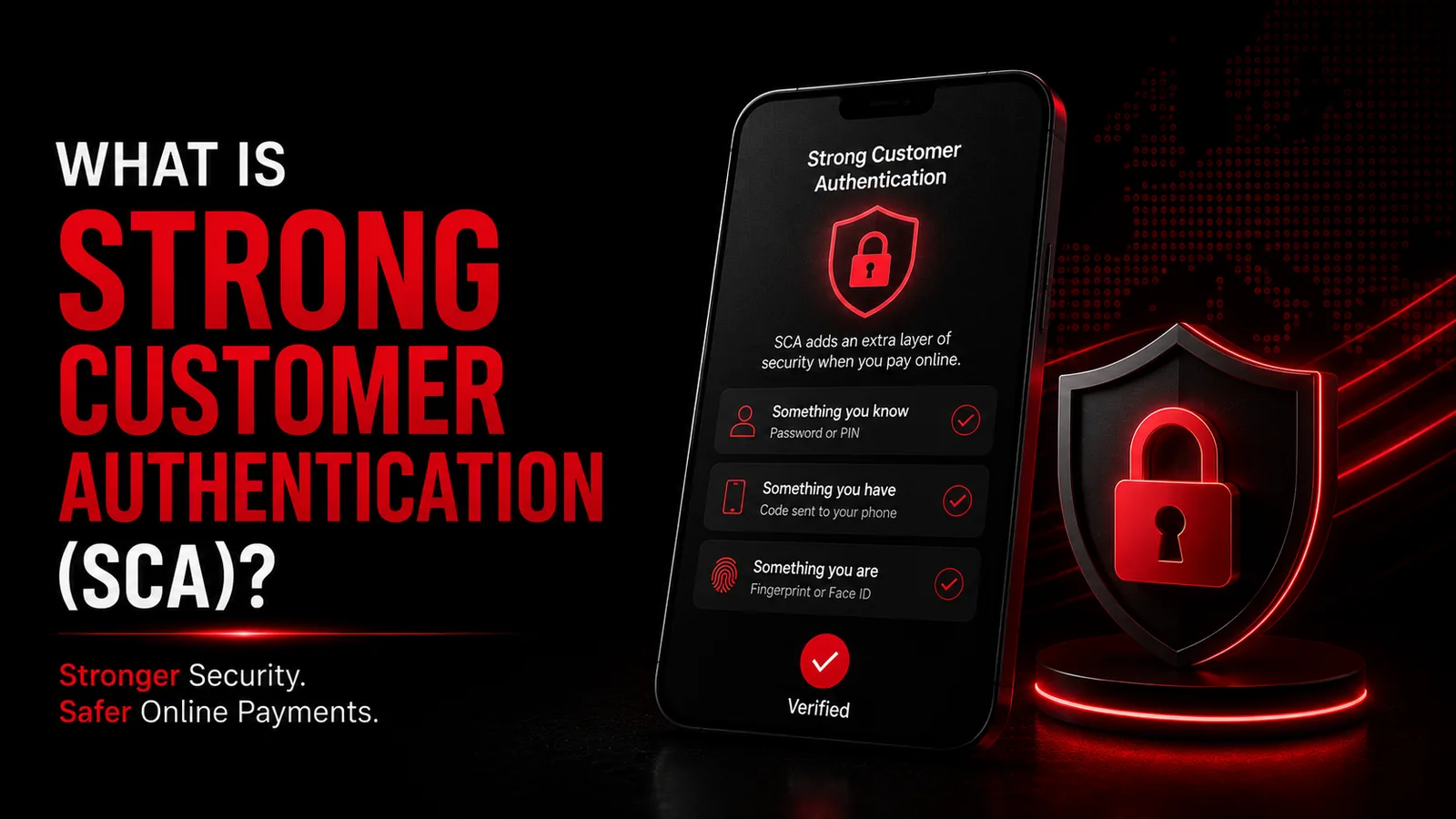
Payment-card security still depends on controls such as PCI DSS, EMV chip technology, tokenization, authentication, issuer risk systems, fraud analytics, and secure payment processing.
Organizations handling payment data must still protect PANs appropriately regardless of whether their systems use six-digit or eight-digit issuer-identification logic.
How BINs Help Route Payments
When a card transaction enters the payment ecosystem, participants need to know where the transaction should be routed for authorization.
BIN and account-range information helps identify the relevant issuing side of the payment relationship and supports accurate routing through the payment network.
Mastercard describes its BIN Account Range Table as providing ecosystem participants with current account-range assignment information used for routing transactions globally.
This is one of the BIN's most important legitimate functions: helping payment infrastructure know which issuer or processing path is responsible for the card.
How Merchants Use BIN Information
Merchants and payment providers can use legitimate BIN attributes for payment routing, checkout optimization, fraud-risk context, product eligibility, reporting, and other operational purposes.
Visa says its BIN Attribute Sharing Service can help merchants and other entities improve authorization rates, reduce fraud, and improve the checkout experience.
BIN information should be one signal among many. A BIN match does not prove that the buyer is genuine and should not replace customer authentication, fraud analytics, or transaction monitoring.
How BIN Information Can Support Fraud Prevention
BIN attributes can provide context about a transaction. For example, a payment provider may compare issuer or product information with other transaction signals as part of a broader risk assessment.
However, BIN data is not a standalone fraud detector. Legitimate customers travel, use cards issued in different countries, use virtual or corporate card products, and buy from merchants around the world.
Overly simplistic BIN-based rules can create false declines. Modern fraud prevention works best when issuer information is combined with authentication results, account history, device signals, behavioral patterns, transaction velocity, and other risk indicators.
Why BIN Data Is Not a Security Secret
The issuer-identification portion of a PAN is routing and program metadata rather than a secret authentication factor like a PIN or one-time code.
Security should never depend on hiding the existence of a BIN range. Instead, payment systems protect the full PAN and sensitive authentication data according to applicable standards and rely on transaction authentication and fraud controls.
This is also why publicly knowing that a particular issuer uses certain ranges does not give someone authorization to use any card within those ranges.
BINs and PCI DSS
The BIN is part of the PAN, and the full PAN is cardholder data under PCI DSS.

PCI SSC requires organizations that store, process, or transmit payment-account data to protect it according to PCI DSS requirements.
Merchants should avoid exposing full PANs unnecessarily. Where business processes need only limited issuer information, systems should be designed so staff and applications do not receive more payment data than necessary.
The principle of data minimization reduces the impact of a potential breach.
BINs and Masked Card Numbers
Payment systems often display only part of a card number, such as a limited number of leading and trailing digits, so users can recognize the card without exposing the entire PAN.
The precise masking and display rules depend on PCI DSS requirements, business purpose, payment-brand rules, and system design.
A masked card display is not the same as the underlying PAN. Organizations should use PCI-compliant practices when displaying or storing account-number information.
BINs and Tokenization
Tokenized payment systems may substitute the underlying card credential with a token.
Depending on the payment architecture, the token can have its own routing or account-range characteristics that differ from the original physical-card PAN.
This is another reason merchants should rely on their payment provider and network data rather than making business decisions from old static BIN lists.
Tokenization can also reduce exposure of the underlying payment-card number throughout the transaction ecosystem.
BINs and Virtual Cards
Virtual cards are digitally issued payment credentials that may be created for specific payment use cases, commercial programs, or consumer services.
They still operate within payment-network numbering and issuer frameworks, but their attributes may differ from a consumer's physical card.
BIN or account-range data can therefore help payment systems distinguish program characteristics, while the individual virtual credential remains a separate card account or tokenized credential.
BINs and Co-Branded Cards
A co-branded card can display the name of a retailer, airline, technology company, or other commercial partner while being issued by a separate regulated financial institution.
BIN data is generally associated with the licensed issuing and payment-program structure rather than simply whichever marketing brand is most visible on the front of the card.
This distinction helps explain why a BIN lookup may return an issuer name different from the brand a consumer immediately associates with the card.
Can Two Cards Have the Same BIN?
Yes. A BIN identifies an issuer or program range, not one individual card.
Many cards can share the same BIN while having different remaining PAN digits that identify different cardholder accounts or account ranges.
That is precisely why a BIN by itself is not enough to identify a specific customer's card.
Can One Issuer Have Multiple BINs?
Yes. Large issuers and payment programs can operate multiple BINs or account ranges.

Different ranges may be used for different products, countries, funding types, commercial programs, processors, or operational purposes.
The growth in payment products is one reason the industry expanded issuer identification from six to eight digits.
BIN vs Card Network
The BIN can be associated with a payment network, but 'issuer' and 'network' are not the same concept.
The issuer is the institution or licensed entity responsible for the card account. The payment network provides the infrastructure and rules through which transactions are routed between ecosystem participants.
A card may therefore be issued by one institution while operating on a network such as Visa or Mastercard.
Understanding the distinction prevents a common mistake: assuming the payment-network logo is itself the issuing bank.
BIN vs Acquirer
The issuer is associated with the cardholder side of the transaction. The acquirer is associated with the merchant side.
A BIN or issuer range helps identify the issuing side, while the merchant's acquiring relationship is handled separately within the payment ecosystem.
This distinction becomes important when learning how authorization requests move from merchant to acquirer, through a payment network, and onward to the issuer.
Common Myths About BINs
Myth: A BIN is the entire card number. Reality: the BIN or IIN is only the leading issuer-identification portion of the PAN.
Myth: Every BIN is always exactly six digits. Reality: the industry has moved to eight-digit IINs in modern numbering standards and network implementations.
Myth: A BIN reveals the cardholder's identity. Reality: it identifies issuer or program information, not the individual cardholder's name, password, PIN, balance, or transaction history.
Myth: A BIN tells you whether a transaction will be approved. Reality: authorization depends on the issuer, account status, authentication, fraud controls, available funds or credit, merchant context, and many other factors.
Myth: A BIN is a secret security code. Reality: it is routing and issuer-identification metadata, not an authentication secret.
Myth: Every card issued by the same bank uses one BIN. Reality: issuers can operate multiple BINs and account ranges for different products and programs.
Conclusion
A BIN is one of the foundational identifiers behind card-payment infrastructure. It helps payment systems understand who issued a card account and where a transaction belongs within the processing ecosystem.
The BIN is not the full card number, does not identify a specific person, and does not provide access to a cardholder's balance or bank account.
As the payment industry has grown, issuer identification has evolved from traditional six-digit BINs toward eight-digit IINs, requiring merchants, processors, issuers, and software systems to modernize older assumptions.
For consumers, understanding BINs helps demystify the structure of a payment-card number. For merchants and payment professionals, current BIN and account-range data can support routing and risk decisions—but it should always be used alongside modern authentication, secure data handling, and layered fraud prevention.