


Introduction
CVV is one of the most familiar security features on a credit or debit card, especially during online shopping. A merchant may ask for the card number, expiration date, and a short verification code before submitting a card-not-present transaction.
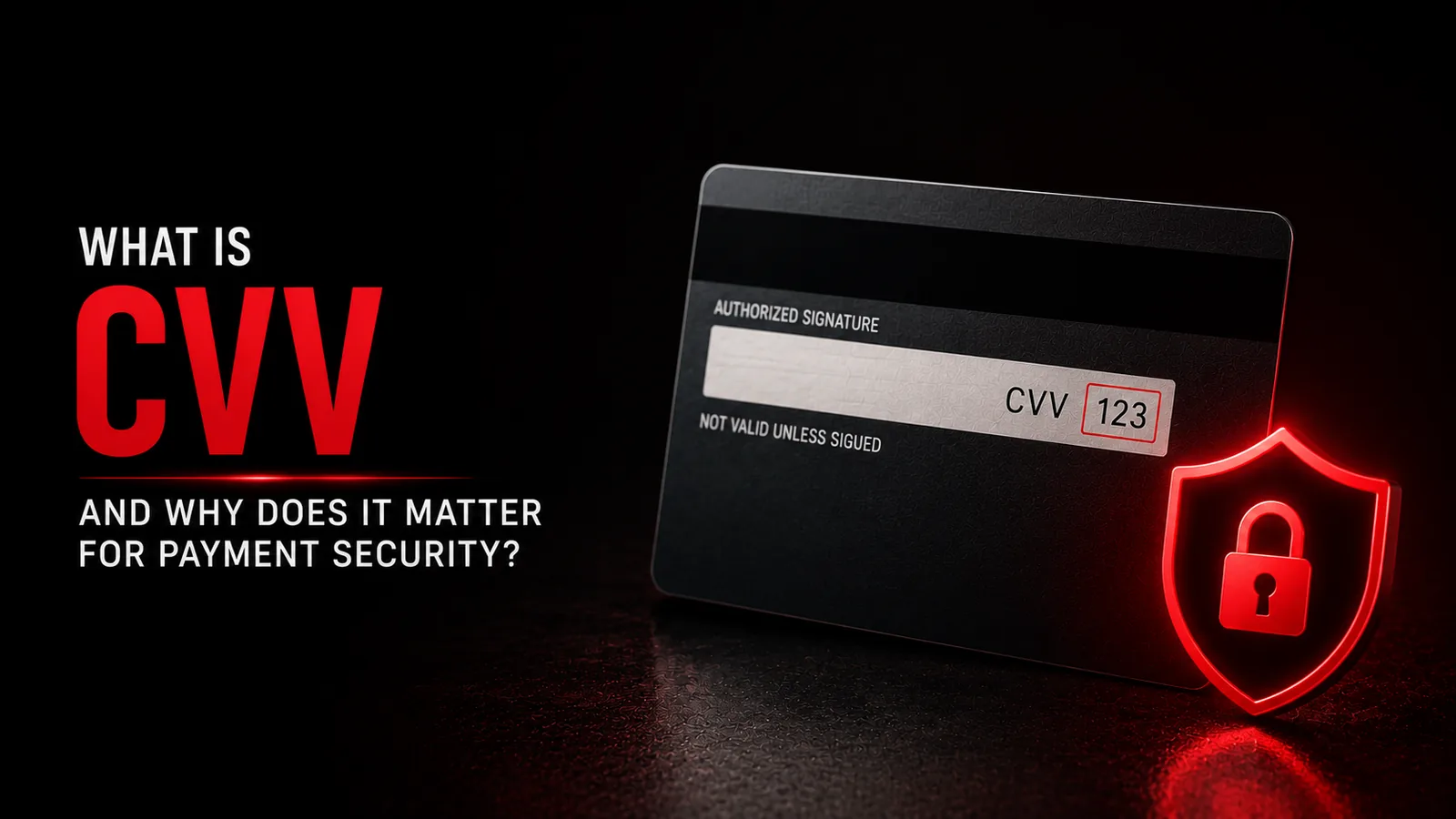
CVV commonly means Card Verification Value. Similar names include CVC, CID, CVN, and other payment-brand terms. PCI Security Standards Council uses the broader term card verification code and defines it as the three- or four-digit value printed on the front or back of a payment card.
The purpose of a CVV-style code is to provide an additional card-verification signal during payment authorization. It is not the same as a PIN, does not identify the cardholder by itself, and should not be treated as proof that an online buyer is legitimate.
Modern payment security therefore combines card-verification codes with stronger controls such as transaction monitoring, EMV 3-D Secure, tokenization, device intelligence, and issuer fraud analytics. This guide explains the role of CVV from a defensive and educational perspective.
Quick Answer: What Is CVV?
CVV generally stands for Card Verification Value. It is a short security value associated with a payment card and commonly requested during card-not-present transactions.
PCI SSC defines a card verification code as a three- or four-digit value printed on the front or back of a card. Depending on the payment brand, it may be called CVV2, CVC2, CID, CAV2, CVN2, or another equivalent name.
The verification value gives the merchant and issuer an additional signal beyond the Primary Account Number and expiration date, but it is only one component of transaction security.
CVV vs CVC vs CID: What's the Difference?
The difference is mainly terminology used by payment brands.
CVV commonly means Card Verification Value. CVC means Card Verification Code. CID means Card Identification Number. PCI SSC groups these terms under the broader category of card verification code or card security code.
For consumers, the important point is that these terms usually describe a short verification value associated with the card, not different types of bank accounts or payment products.
Where Is the CVV Located?
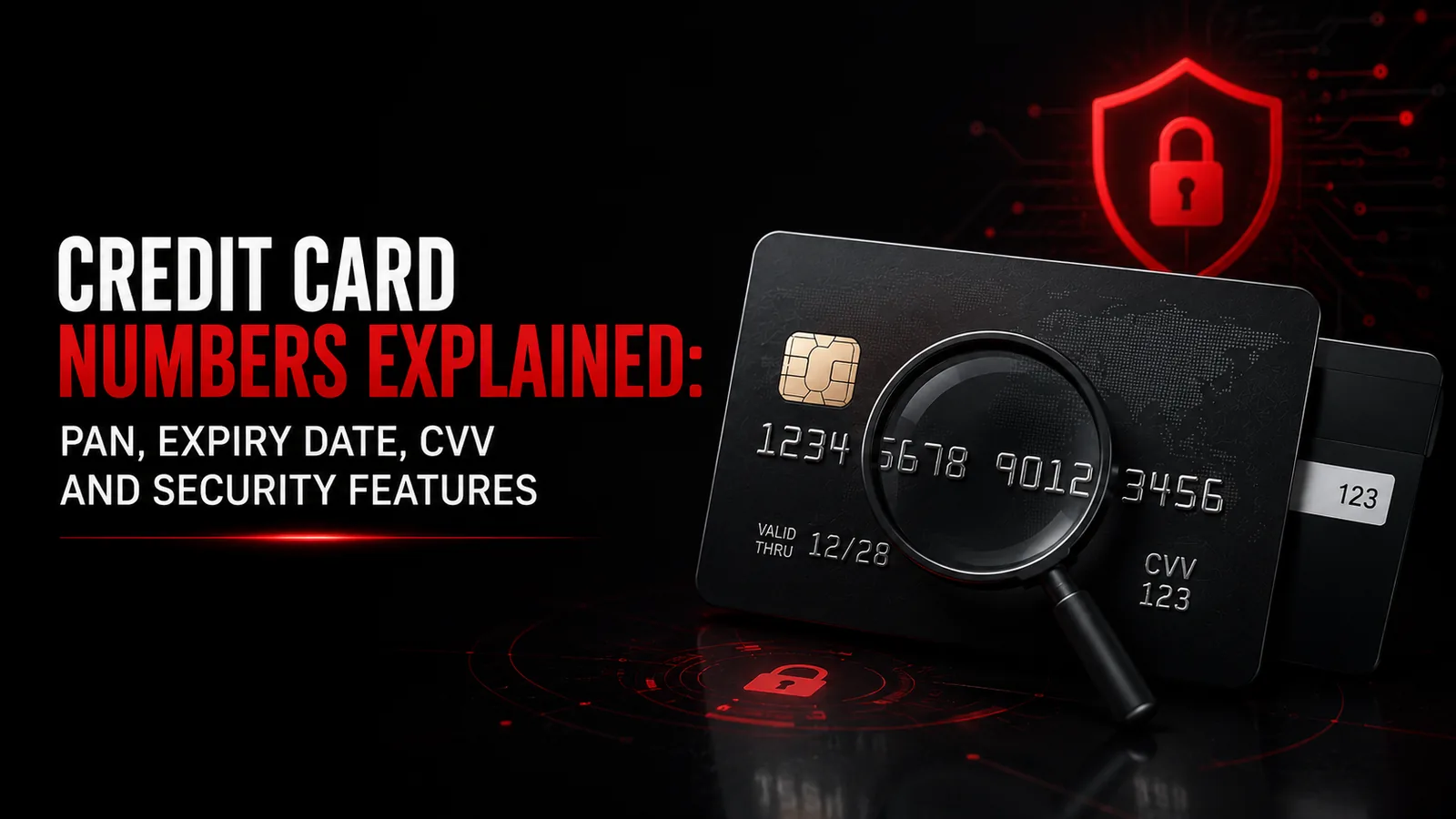
On many physical cards, the card-verification value appears on the back of the card near the signature panel. Some card designs place a four-digit verification value on the front.
Virtual cards may show the value only inside an issuer's secure banking application or card-management interface.
The exact location and number of digits depend on the card brand and issuer, so consumers should follow the information shown on their own card or official issuer application.
Why Do Online Merchants Ask for CVV?
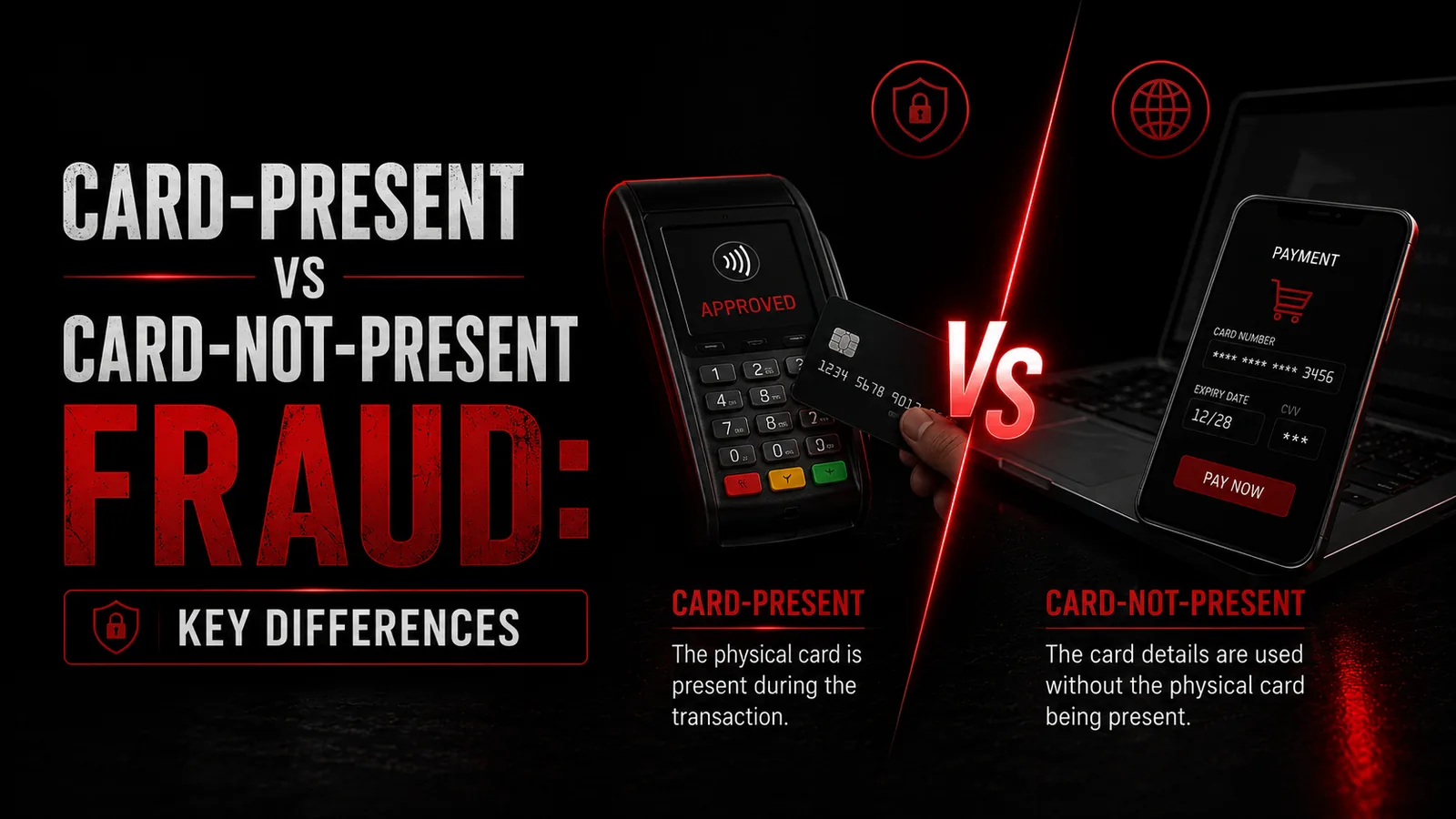
A card-not-present merchant cannot physically inspect the card or interact with its chip in the same way as a face-to-face merchant.
Requesting the card-verification value provides another authorization signal that can be checked against information held by the issuer or payment network.
Visa's Payment Account Validation service, for example, includes CVV2 validation as one of several methods that can be used to validate payment-account information.
The goal is to make a remote transaction harder to authorize using only a PAN and expiration date.
Does CVV Prove the Buyer Has the Physical Card?
Not necessarily. A printed card-verification value was historically intended to provide evidence that the person making a remote payment had access to information found on the card.
However, payment information can be compromised through phishing, data breaches, malware, account takeover, or other attacks. For that reason, knowing the verification code cannot be treated as definitive proof that the buyer is the legitimate cardholder.
Modern e-commerce security increasingly uses multiple authentication and risk signals rather than relying on static card information alone.

CVV Is Not the Same as a PIN
A CVV and a PIN perform different security functions.
A PIN is a personal identification number used in certain ATM, debit, and chip-and-PIN transactions. It is a cardholder-verification credential.
A CVV or CVC is a separate card-verification value commonly used in card-not-present environments.
Consumers should never assume that one can be substituted for the other.
CVV Is Not the Same as an OTP
A one-time password or one-time authentication code is generated for a particular login, transaction, or authentication event.
A traditional printed CVV is generally static until the card is replaced, although some issuers also support dynamic verification-code products.
This is why a one-time authentication code usually provides a different security property from a static card-verification value.
Consumers should never share one-time authentication codes with someone who unexpectedly contacts them and claims to be from a bank, merchant, or fraud department.
CVV Is Not the Same as EMV Chip Security
EMV chip technology provides dynamic transaction security in supported card-present and contactless transactions.
The chip can generate transaction-specific cryptographic information, whereas a traditional printed CVV is a separate card-verification value.
These controls protect different parts of the payment process and should not be confused with one another.
Why PCI DSS Treats CVV as Sensitive Authentication Data
PCI Security Standards Council classifies card-verification codes and values as sensitive authentication data.

This category receives strict handling requirements because retaining verification values after payment authorization would create unnecessary risk if a merchant system were later breached.
PCI SSC specifically states that card verification codes cannot be stored after authorization, even for potential future transactions.
Can Merchants Store CVV?
No, not after authorization under PCI DSS.
PCI SSC states that card-verification codes and values are not needed for card-on-file or recurring transactions and that storing them for those purposes is prohibited.
This means a merchant that legitimately saves a payment method for future use should not simply retain the original CVV alongside the stored card credentials.
Merchants should instead use compliant card-on-file, tokenization, or payment-provider systems designed for recurring payments.
Why the No-Storage Rule Matters
Imagine a merchant database containing card numbers, expiration dates, and verification codes for every past customer. If that database were compromised, criminals could obtain several important static payment elements at once.
Prohibiting storage of the card-verification value after authorization reduces the amount of reusable authentication data available in such a breach.
This is a good example of data minimization: if information is not needed after authorization, payment systems should not retain it merely for convenience.
Can a Merchant Store PAN and Expiry Date?
PCI DSS treats the full PAN as cardholder data. Other information such as cardholder name and expiration date can also be cardholder data when associated with the PAN.
Such information may be stored when there is a legitimate business need and the applicable PCI DSS protections are followed.
That differs from the stricter rule for sensitive authentication data such as card-verification values, which PCI SSC prohibits storing after authorization.
What Is CVV2?
CVV2 is a payment-brand term for the printed card-verification value used in card-not-present payment contexts.
The '2' distinguishes it from other verification values used internally within magnetic-stripe or chip processing.
Consumers usually do not need to understand the internal distinctions between these different verification values. The printed value requested during an online checkout is the one relevant to normal cardholder use.
What Is Dynamic CVV?
Some issuers support dynamic card-verification technology in which the value changes rather than remaining fixed for the life of the card.
Visa, for example, provides issuer services for generating dynamic CVV2 values for card-not-present transactions.
Dynamic verification can reduce the usefulness of a previously exposed static code, although the overall security of a transaction still depends on issuer controls, authentication, and fraud monitoring.
Does a Correct CVV Guarantee a Transaction Will Be Approved?
No.
A correct card-verification value is only one signal in the authorization process. The issuer may still decline a transaction because of account status, fraud risk, insufficient funds or credit, merchant restrictions, authentication results, unusual behavior, or other reasons.
Mastercard and Visa both provide services capable of validating card-verification values as part of broader account and transaction validation processes.
Payment approval is therefore never determined by CVV alone.

What Happens If the CVV Is Wrong?
A merchant or payment processor may receive a verification result indicating that the submitted value does not match issuer records.
The merchant, processor, or issuer can then apply its own risk and authorization rules. A mismatch may contribute to a decline, additional review, or another fraud-control decision.
The exact outcome depends on the payment ecosystem and should not be interpreted as a universal rule.
Why CVV Matters Most in Card-Not-Present Payments
In a physical EMV transaction, the payment terminal can interact directly with the chip or contactless credential and obtain dynamic transaction security information.
In e-commerce, the merchant does not have that physical interaction. Static card details therefore historically played a larger role in remote authorization.
CVV adds another check, but modern e-commerce increasingly supplements it with 3-D Secure and other identity and risk controls.
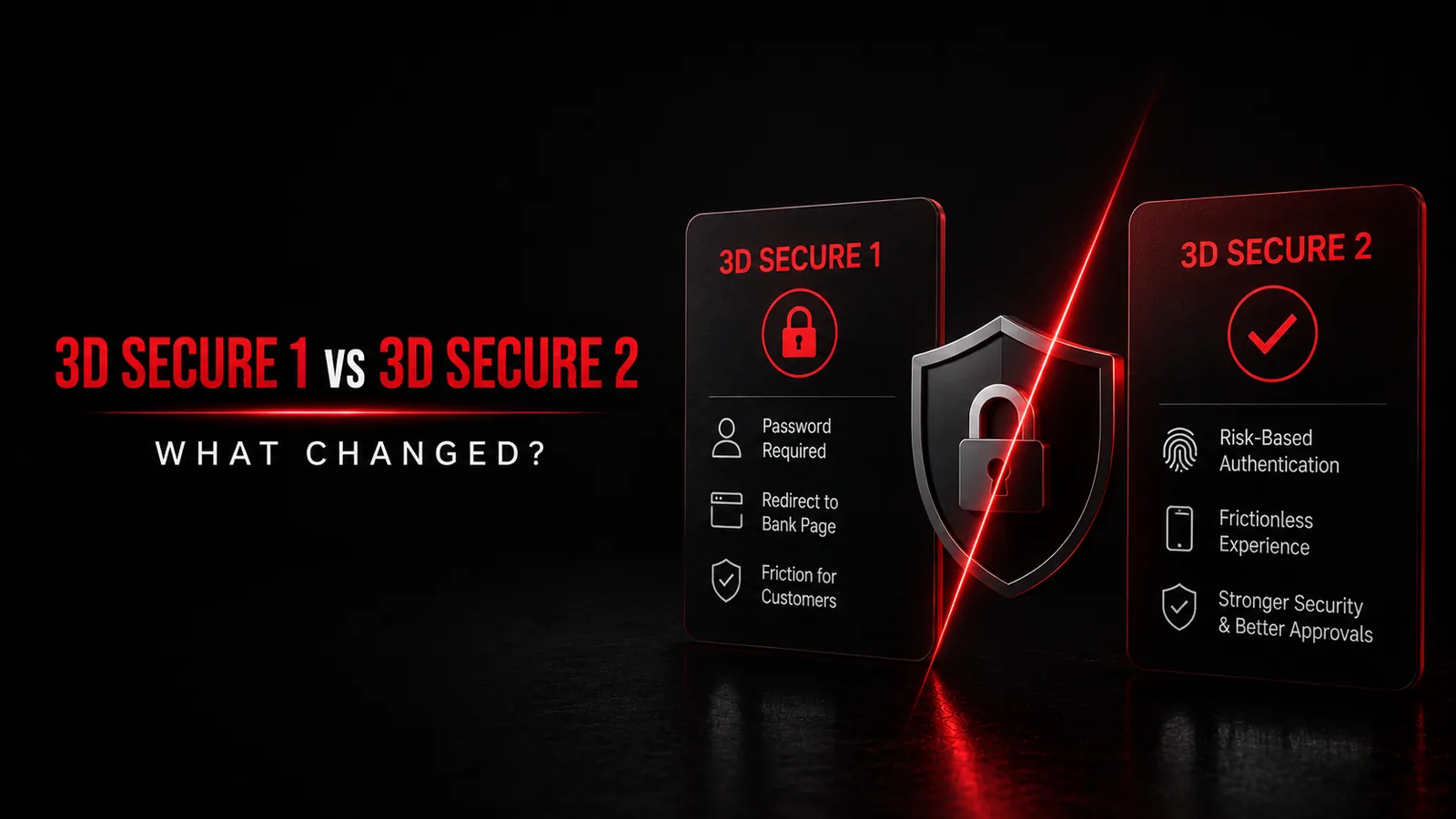
How 3-D Secure Goes Beyond CVV
EMV 3-D Secure is designed to authenticate customers during e-commerce card transactions.
EMVCo says EMV 3DS helps issuers and merchants prevent card-not-present fraud and improve e-commerce security.
Unlike a static card-verification value, 3-D Secure can support richer risk information and additional customer authentication when necessary.
That is why a modern online transaction may be approved without visible additional interaction, or may require another verification step depending on assessed risk.
CVV vs 3-D Secure
CVV provides a card-data verification signal.
3-D Secure provides a customer-authentication framework for e-commerce.
The two controls therefore address different questions.
CVV asks whether the submitted card-verification value matches expected card information. 3-D Secure helps issuers evaluate whether the remote person initiating the transaction is genuinely authorized.
Layered payment security can use both rather than treating either as a complete solution.
CVV and Tokenization
Tokenization reduces the need to expose or repeatedly use the original payment-card credentials.
In tokenized card-on-file and digital-wallet environments, the merchant may use a substitute payment credential rather than the original PAN for future transactions.
Mastercard has also introduced CVC-less tokenized transaction experiences in some markets, illustrating how modern authentication and tokenization can reduce reliance on repeatedly entering static card-verification values.
This does not mean CVV is obsolete; it means payment security is increasingly moving toward credentials and authentication that are less reusable if stolen.
CVV and Virtual Cards
Virtual cards can display payment credentials inside an issuer or payment application rather than on a physical card.
Some virtual-card systems can issue temporary or dynamically managed credentials, and certain issuers can provide dynamic card-verification values.
These features can reduce the lifetime or reuse value of exposed credentials, depending on the issuer's implementation.
Why CVV Alone Cannot Stop Online Fraud
Payment data can be compromised in many ways, including phishing, e-skimming, malware, account takeover, and data breaches.
If multiple static payment elements are compromised together, a CVV check may not distinguish the criminal from the legitimate cardholder.

That is why modern fraud prevention also analyzes transaction behavior, authentication outcomes, devices, customer history, merchant context, and other risk signals.
CVV is useful, but it is one security layer rather than a complete fraud-prevention system.
How Merchants Should Handle CVV Securely
Merchants should transmit card-verification values only through secure, PCI-compliant payment systems.
They should never log or retain CVV in application logs, customer notes, support tickets, databases, call recordings, or other systems after authorization.
Businesses that accept telephone payments should also design processes that prevent card-verification values from being unintentionally retained in recorded audio or transcription systems.
Using trusted payment providers and minimizing direct exposure to sensitive authentication data can reduce merchant risk.
How Consumers Should Protect CVV
Treat the card-verification value as sensitive payment information.
Enter it only when intentionally making a payment to a trusted merchant or payment service.
Avoid sending it through ordinary email, chat messages, or social media.
Be cautious when an unsolicited caller or message asks for the card number, expiration date, CVV, PIN, password, or one-time code.
If you believe your card details have been exposed, contact the issuer using the official banking app or the contact information printed on the card.
What If Your CVV Has Been Stolen?
A stolen CVV should be treated as part of a compromised payment credential.
The safest response is to contact the card issuer promptly, explain that card information may have been exposed, review recent transactions, and follow the issuer's guidance about locking or replacing the card.
Consumers should also change relevant account passwords if the exposure happened through phishing, account takeover, or another compromise involving online credentials.
Continue monitoring the account even after the card is replaced.
Common Myths About CVV
Myth: CVV is the cardholder's PIN. Reality: CVV and PIN are different security elements.
Myth: A correct CVV proves the buyer owns the card. Reality: card data can be stolen, so modern payment security uses additional authentication and fraud controls.
Myth: Merchants can store CVV if the customer agrees. Reality: PCI DSS prohibits storing card-verification values after authorization for ordinary merchant use.
Myth: CVV is the only protection for online payments. Reality: modern e-commerce security also relies on 3-D Secure, tokenization, transaction monitoring, device intelligence, and fraud analytics.
Myth: If a merchant stores a card for subscriptions, it must store the CVV. Reality: recurring transactions should use compliant stored-credential or tokenized payment processes without retaining the original verification value.
Myth: A correct CVV guarantees authorization. Reality: the issuer can still decline a transaction for many other risk or account reasons.
Conclusion
CVV is a useful but limited part of payment-card security. It adds an extra verification signal beyond the card number and expiration date, particularly in card-not-present transactions.
Its importance is reflected in PCI DSS, which treats card-verification values as sensitive authentication data and prohibits merchants from storing them after authorization.
But payment security has evolved beyond static card details. A CVV can be compromised along with other card information, so modern online payments increasingly rely on additional layers such as EMV 3-D Secure, tokenization, device and behavioral signals, and issuer fraud analytics.
For consumers, the rule is simple: protect your CVV as sensitive financial information. For merchants, collect it only when legitimately required for authorization, transmit it securely, and never retain it afterward in violation of PCI DSS.
CVV matters because it adds friction for unauthorized use—but the strongest payment systems treat it as one layer within a broader security architecture rather than as a complete proof of identity.