Why Buying Stolen Credit Card Information Is Dangerous and Illegal
Buying stolen credit card information is not a harmless shortcut, a victimless online transaction, or a low-risk way to make money. Stolen paymen...
Independent fraud-awareness editors.
Buying stolen credit card information is not a harmless shortcut, a victimless online transaction, or a low-risk way to make money. Stolen paymen...
Telegram is a legitimate messaging platform used by families, businesses, communities, news organizations, and millions of ordinary users. Like o...
Fake carding websites are scam sites that imitate underground fraud marketplaces, “card shops,” training platforms, account dashboards, or privat...
Carding scams are frauds carried out inside or around underground payment-fraud communities. In these schemes, the intended victim is often anoth...
In payment-card fraud, “dumps” is criminal slang for stolen payment-card track data associated with a card’s magnetic stripe. The term appears in...
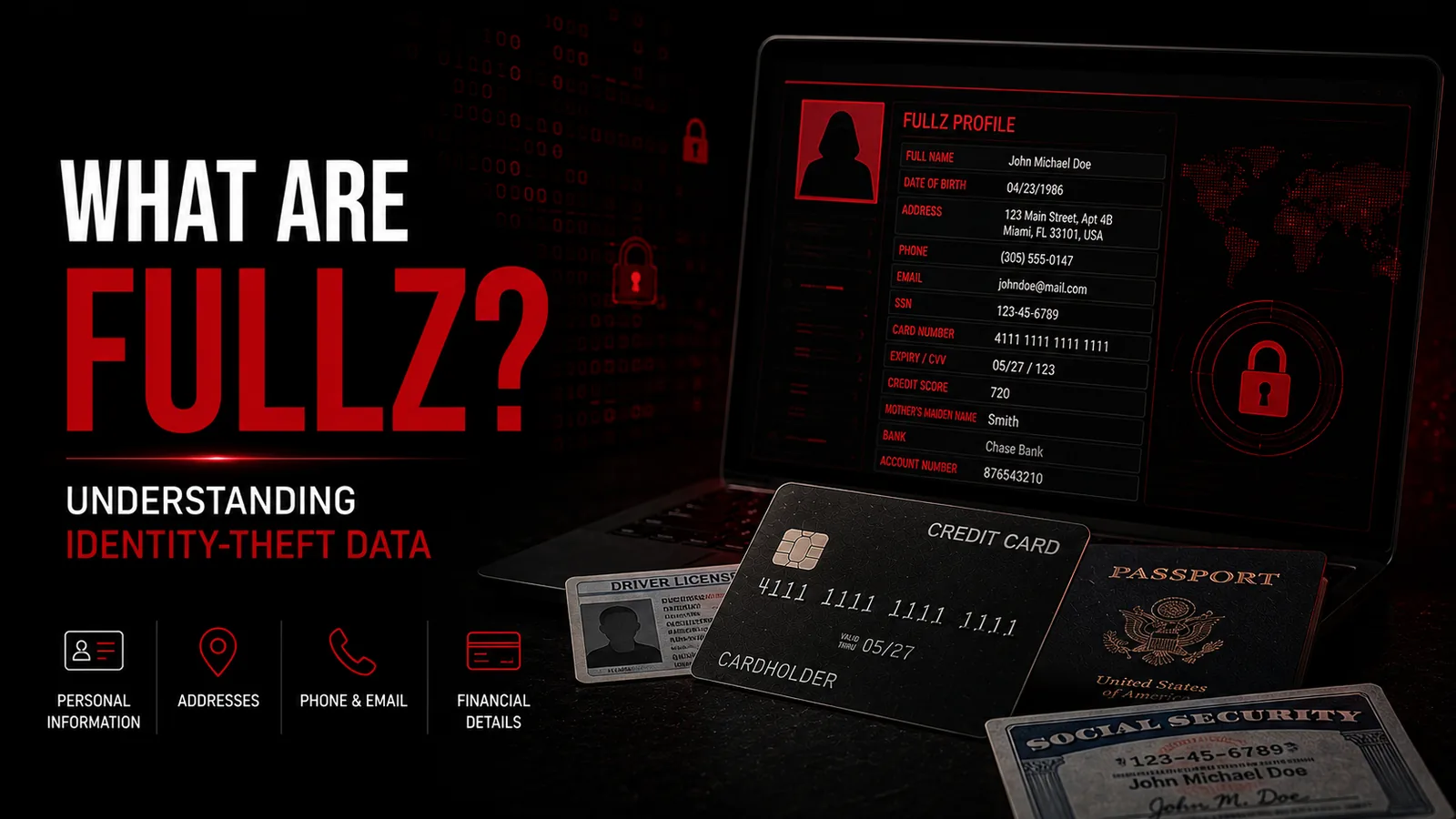
“Fullz” is underground cybercrime slang for a relatively complete package of stolen personally identifiable information about a real person. The...
Stolen credit card markets are part of a broader criminal economy that turns compromised payment information into a tradable commodity. The peopl...
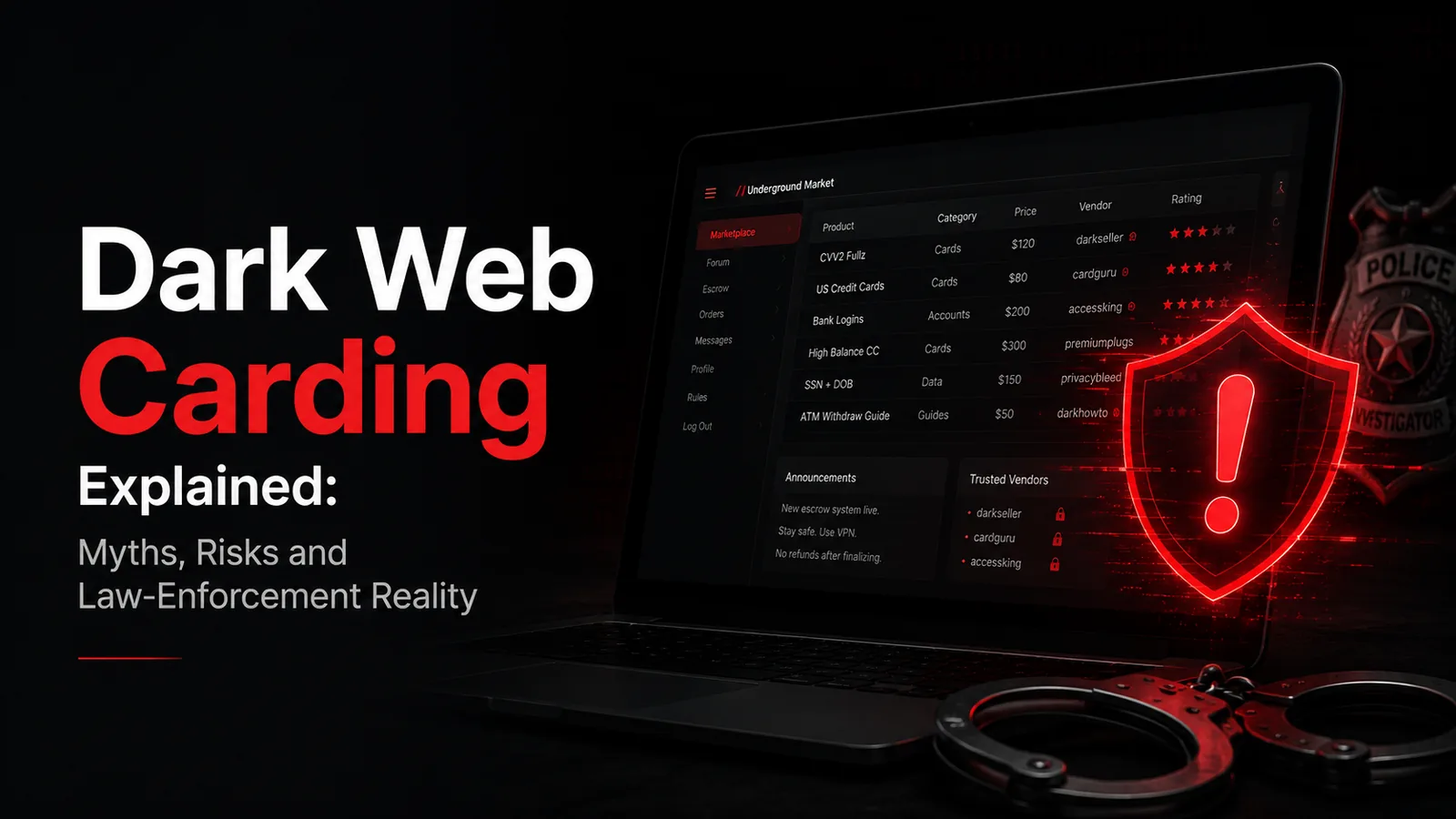
Dark web carding is a broad term used to describe payment-card fraud activity that overlaps with dark-web marketplaces, underground forums, stole...
Card shops are illicit online marketplaces built around stolen or compromised payment-card information. Unlike a traditional discussion forum, wh...
Carding forums are online communities associated with payment-card fraud, stolen financial information, identity crime, account compromise, and r...
Public Wi-Fi has a reputation for being inherently dangerous for banking and credit-card payments. That reputation comes partly from an earlier e...
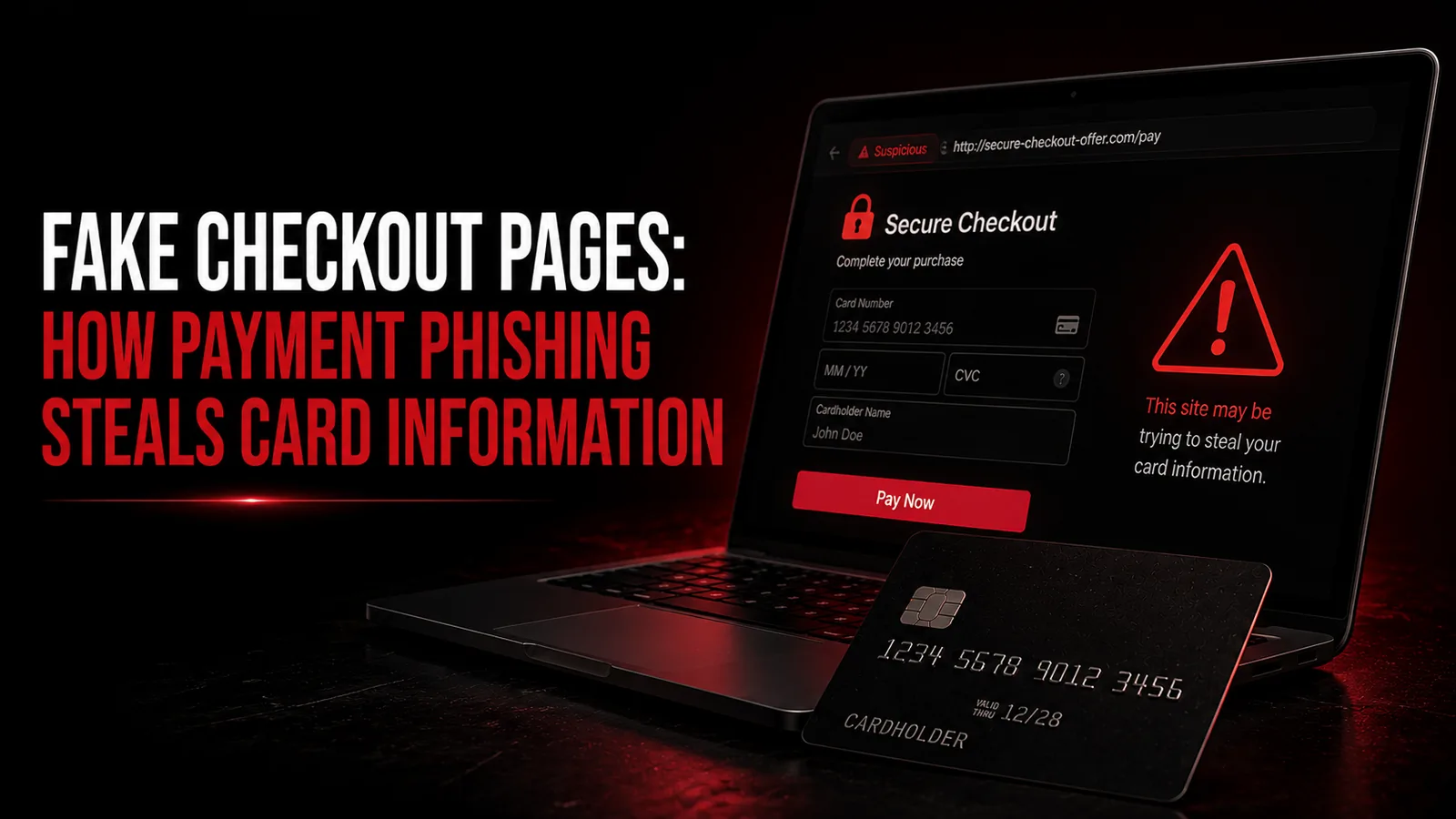
Fake checkout pages are fraudulent payment pages designed to imitate a legitimate merchant, bank, delivery company, subscription service, marketp...