
Payment Security
What Is 3D Secure? How 3DS Protects Online Card Payments
3-D Secure, commonly shortened to 3DS, is an authentication technology designed to improve the security of online card payments. It helps card is...

Independent fraud-awareness editors.
3-D Secure, commonly shortened to 3DS, is an authentication technology designed to improve the security of online card payments. It helps card is...

AVS, or Address Verification Service, is a payment-security tool used to compare billing-address information submitted during a card transaction...

CVV is one of the most familiar security features on a credit or debit card, especially during online shopping. A merchant may ask for the card n...
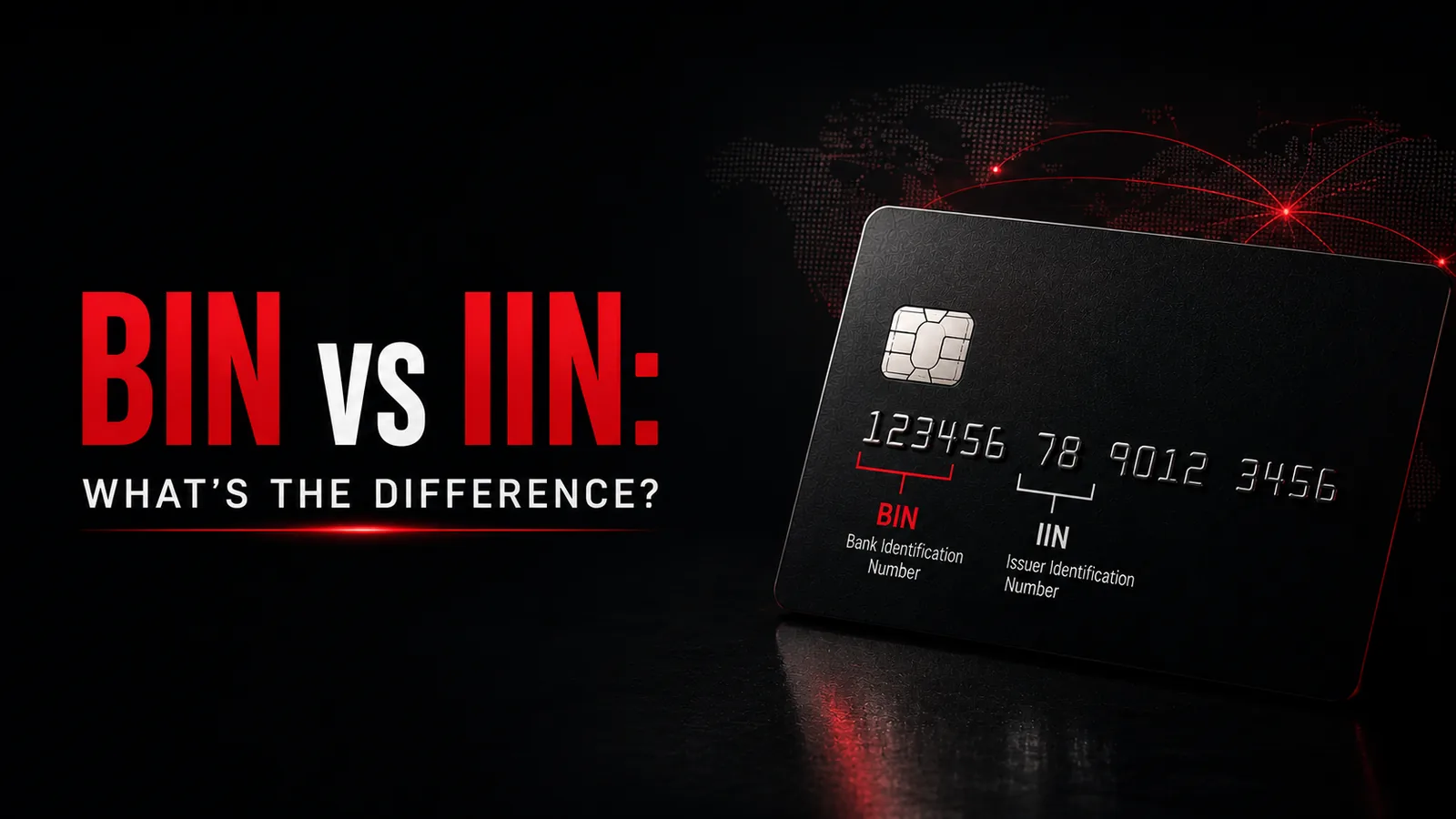
BIN and IIN are two terms that frequently appear in payment-card documentation, fraud-prevention systems, merchant dashboards, and payment APIs....
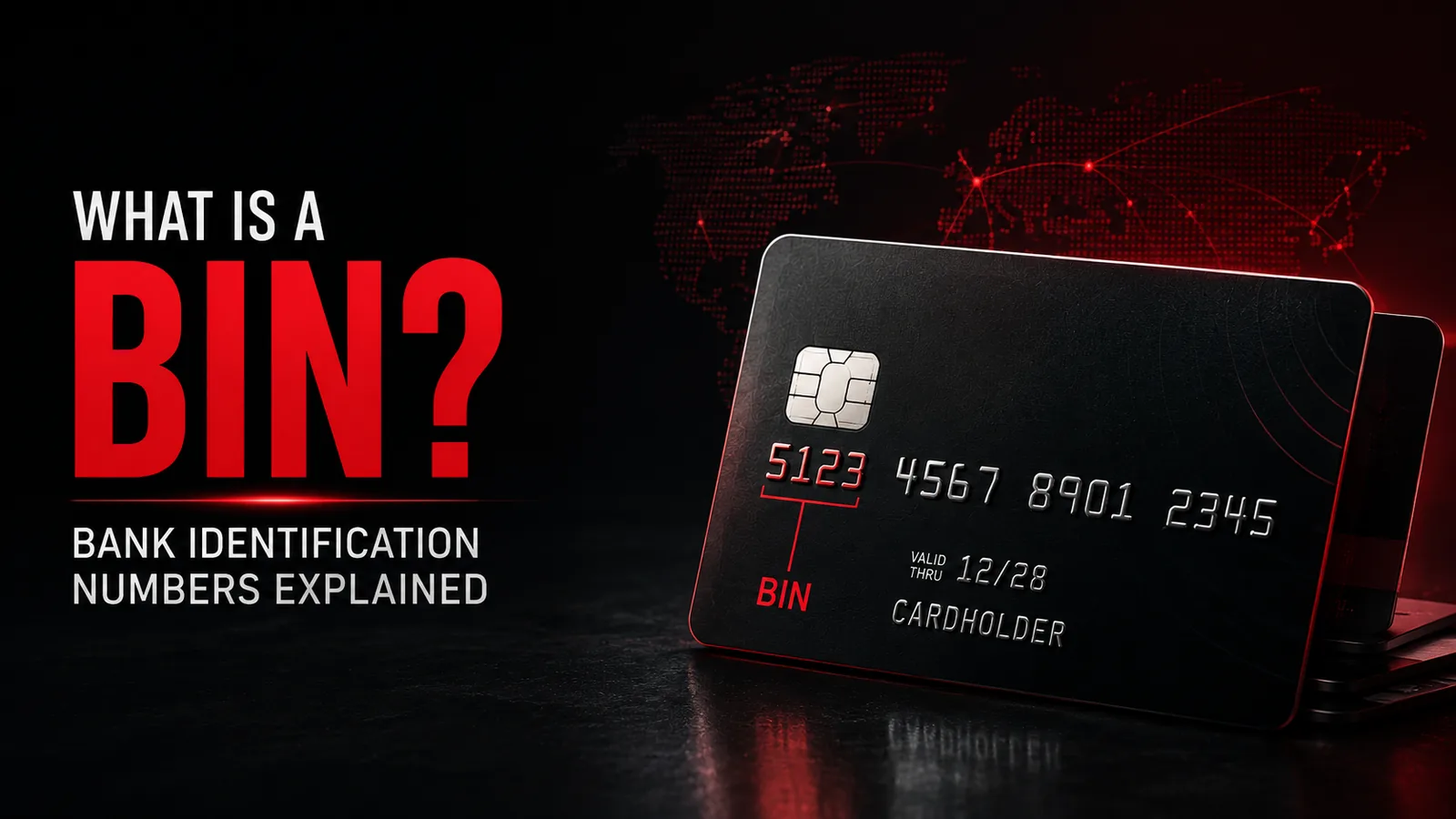
A Bank Identification Number, commonly shortened to BIN, is an identifying number at the beginning of a payment-card account number. In modern pa...

A modern credit or debit card contains several different pieces of information, and each serves a different purpose. The most familiar are the pr...

Stolen payment card data rarely exists as a one-step fraud event. In many cases, it moves through a broader lifecycle that begins with compromise...

Stolen credit card data can be misused online in several ways, but the most important point is that possessing compromised payment information do...

When credit card information is stolen, the compromise itself is only the beginning of the incident. What happens next depends on what informatio...
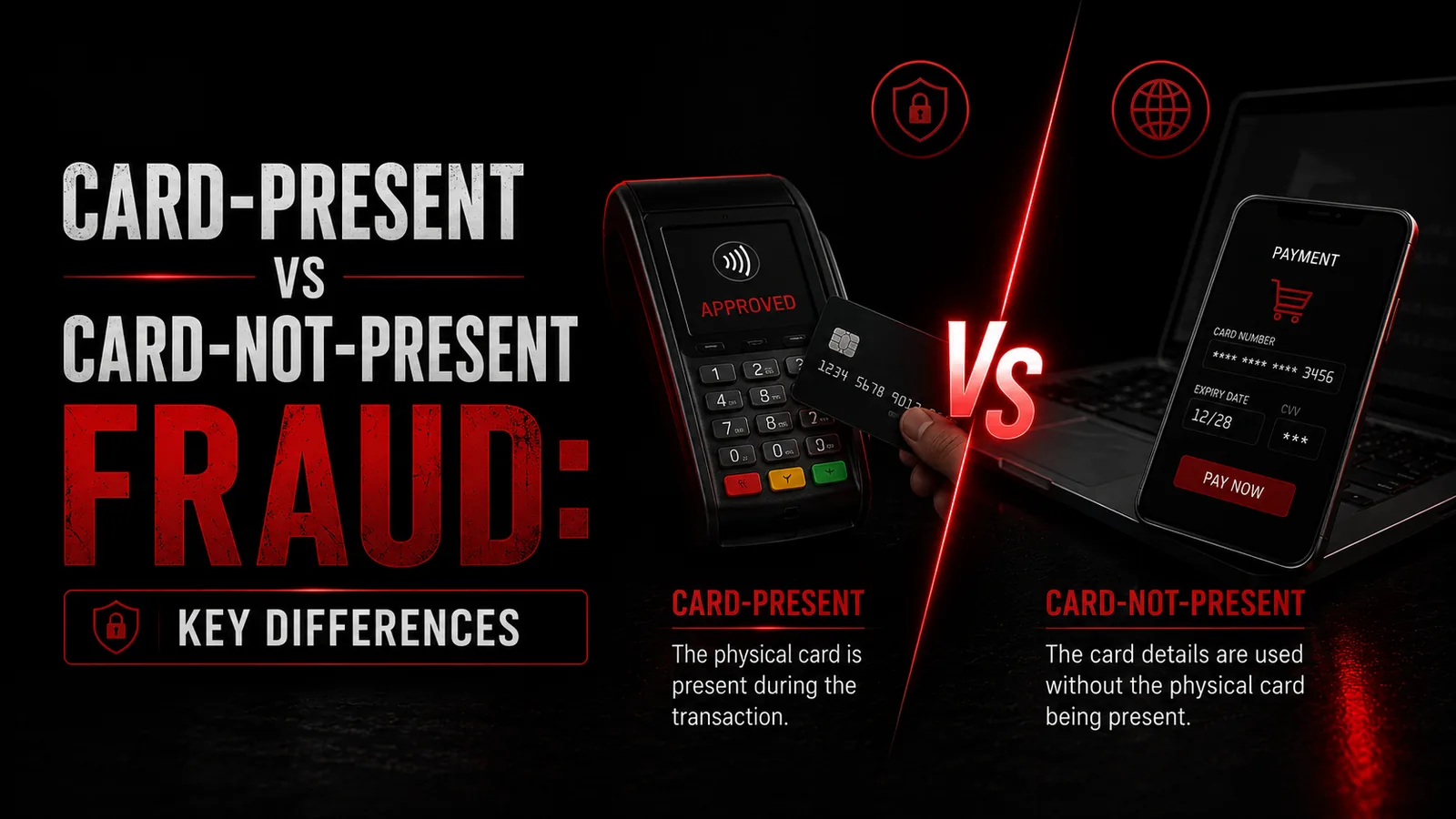
Card-present and card-not-present fraud are two major categories used to describe payment-card fraud. The difference is based on the payment chan...

Card-not-present fraud, commonly shortened to CNP fraud, is one of the central security challenges in modern e-commerce. It occurs when payment-c...

Carding did not begin with the dark web, cryptocurrency, or modern e-commerce. Payment-card fraud evolved alongside the payment-card industry its...