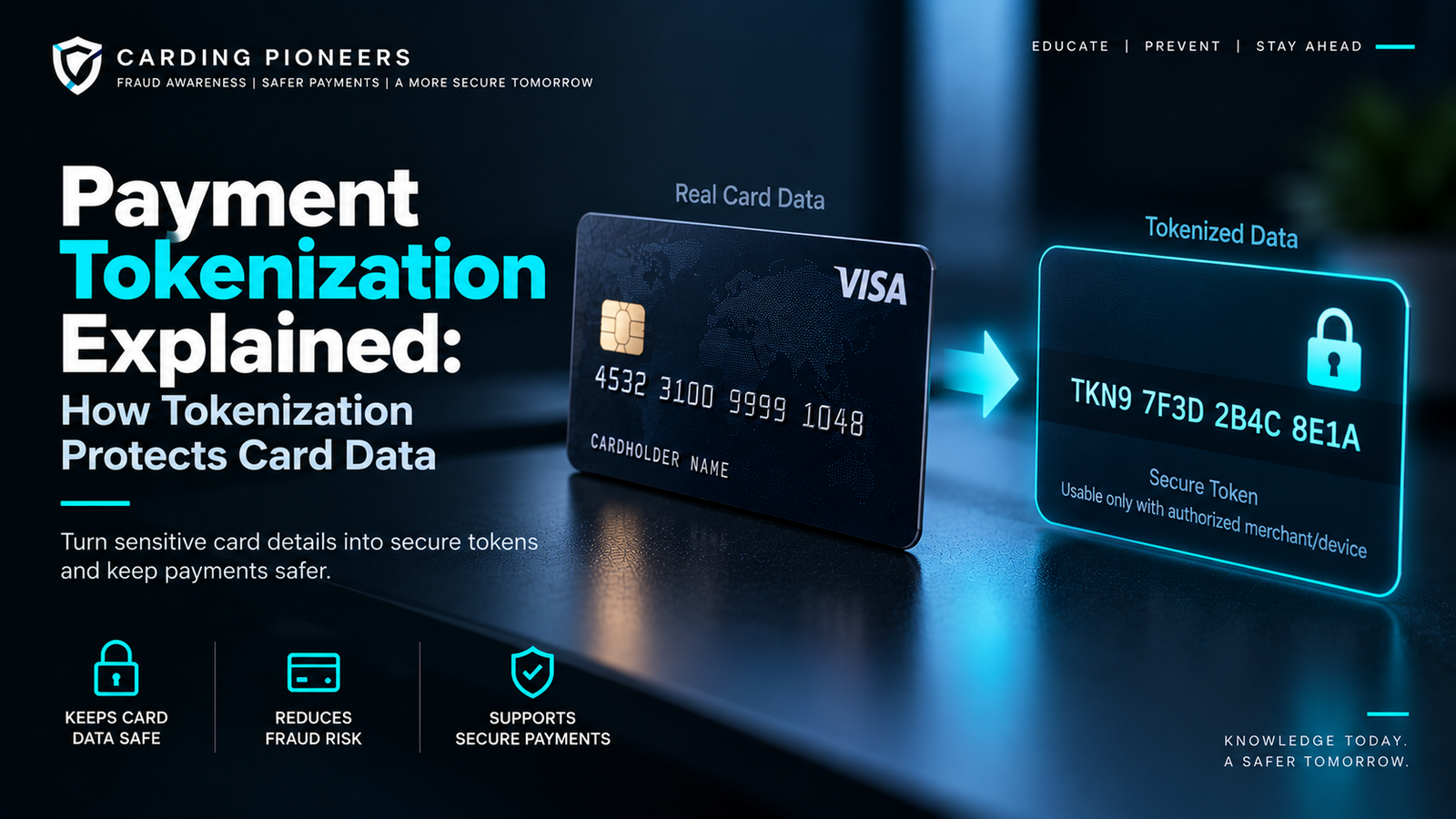
Payment Tokenization Explained: How Tokenization Protects Card Data
Payment tokenization is a security technique that replaces sensitive card information with a substitute value called a token. Instead of exposing...
Independent fraud-awareness editors.
Payment tokenization is a security technique that replaces sensitive card information with a substitute value called a token. Instead of exposing...

Credit card skimming is a form of payment-card theft in which an unauthorized device captures card information when a person uses an ATM, fuel pu...
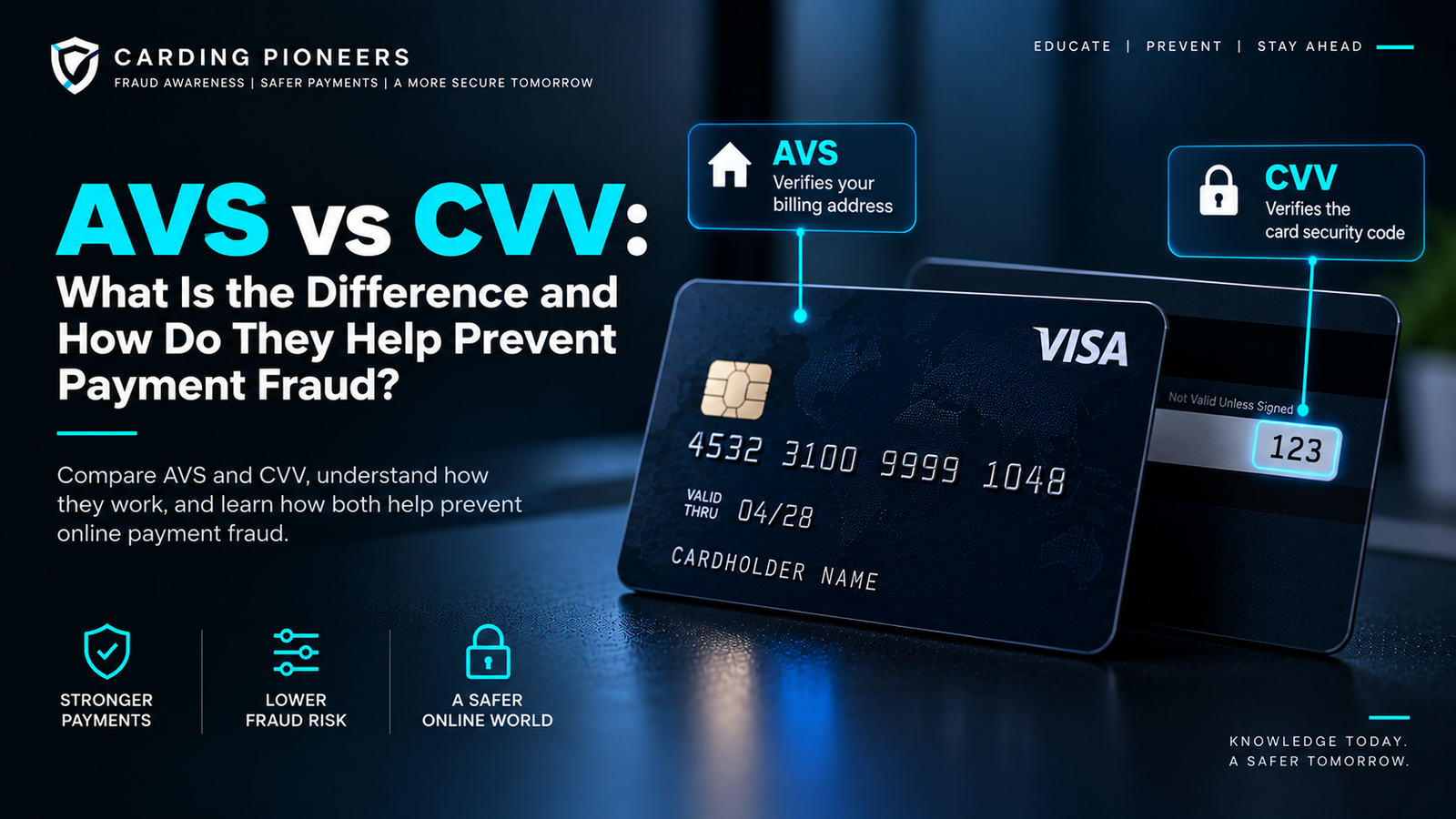
AVS and CVV are two common security checks used in card-not-present payments. They are often mentioned together because both can help merchants a...
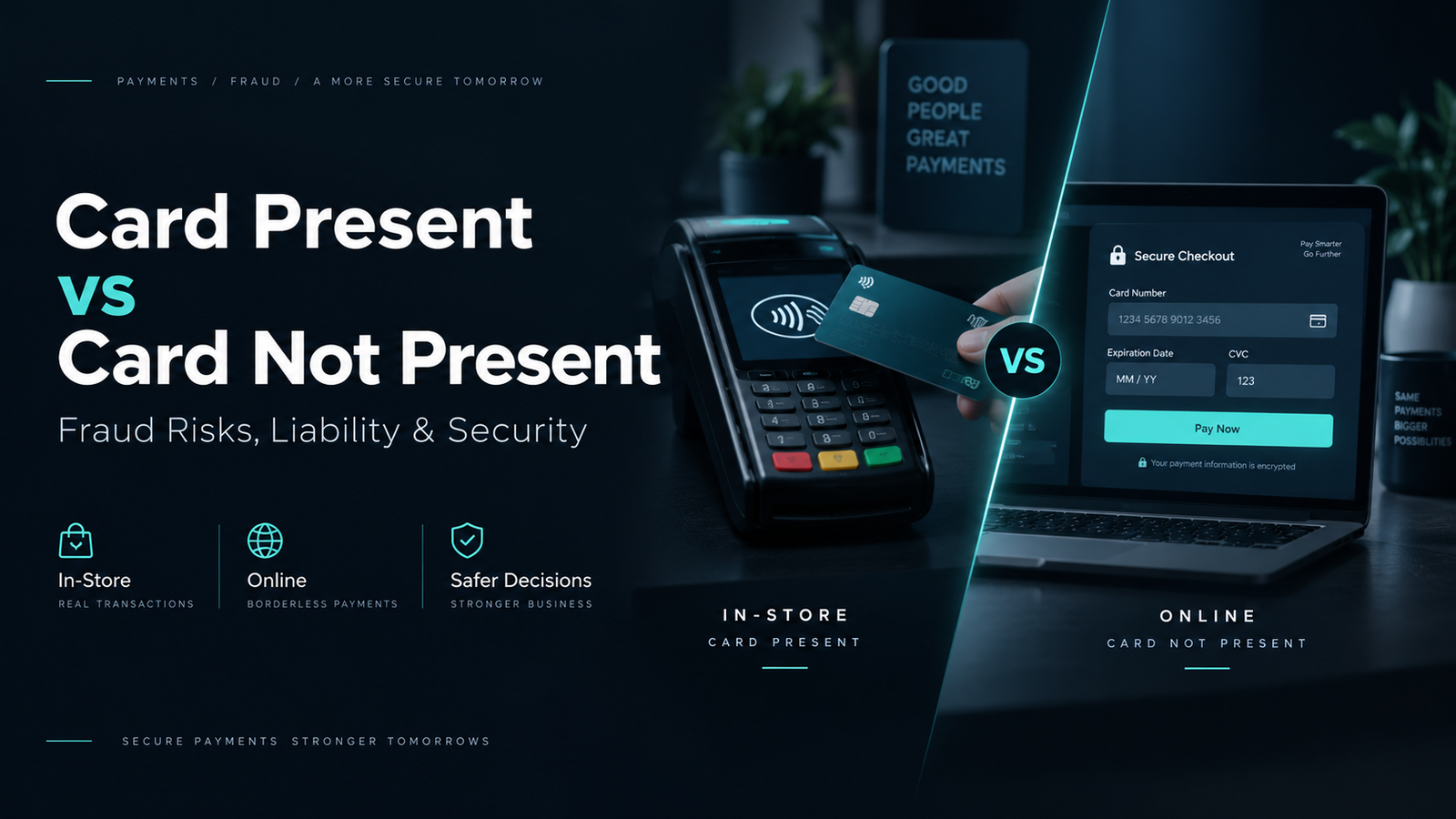
Card-present and card-not-present payments differ in how the card is used, how fraud is detected and who may bear fraud losses. This guide explai...
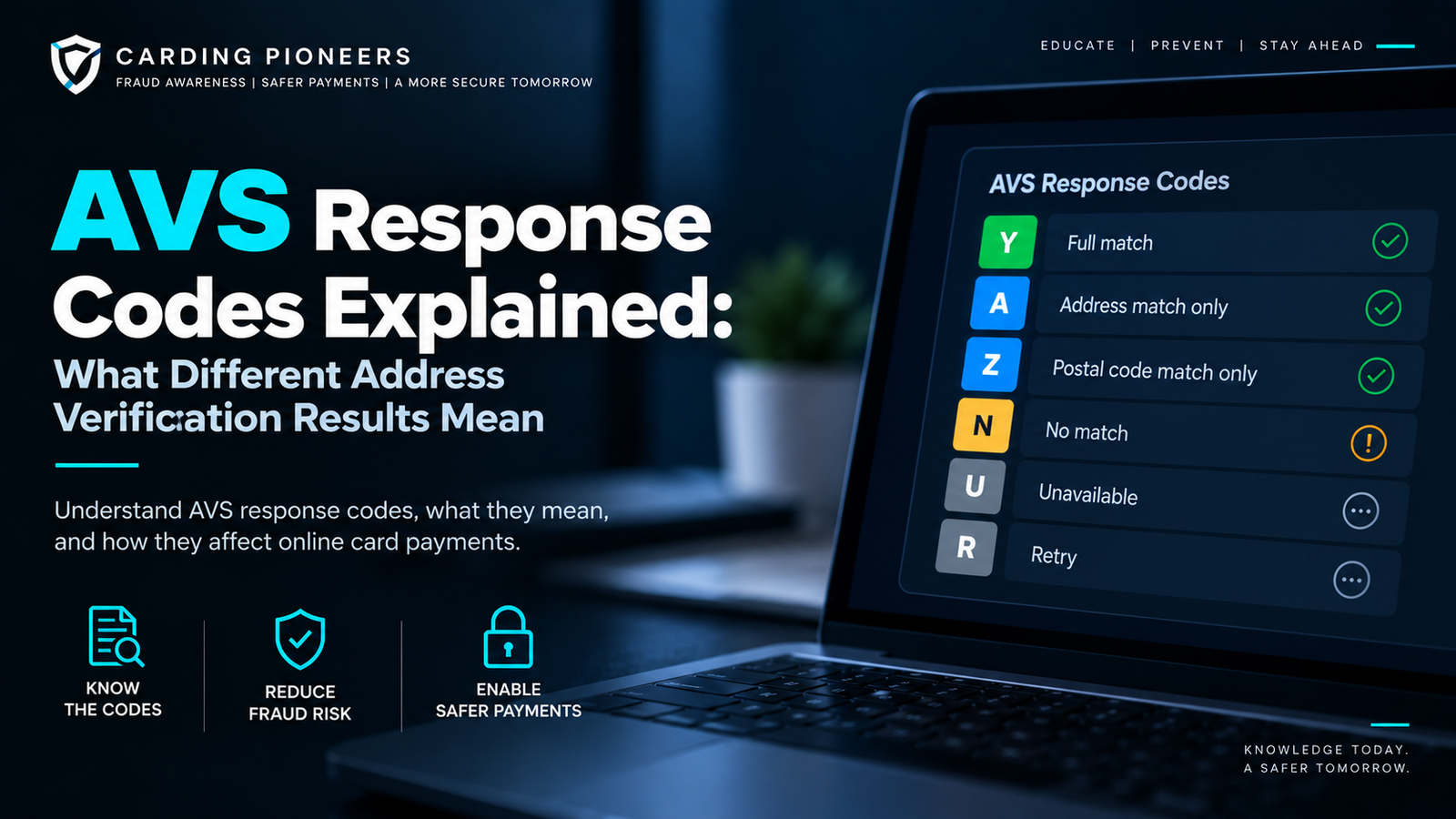
Address Verification Service (AVS) can return several different results after a merchant submits billing-address information with an eligible car...

Card-not-present fraud happens when a payment is made without the physical card being presented to the merchant. This guide explains CNP fraud, h...
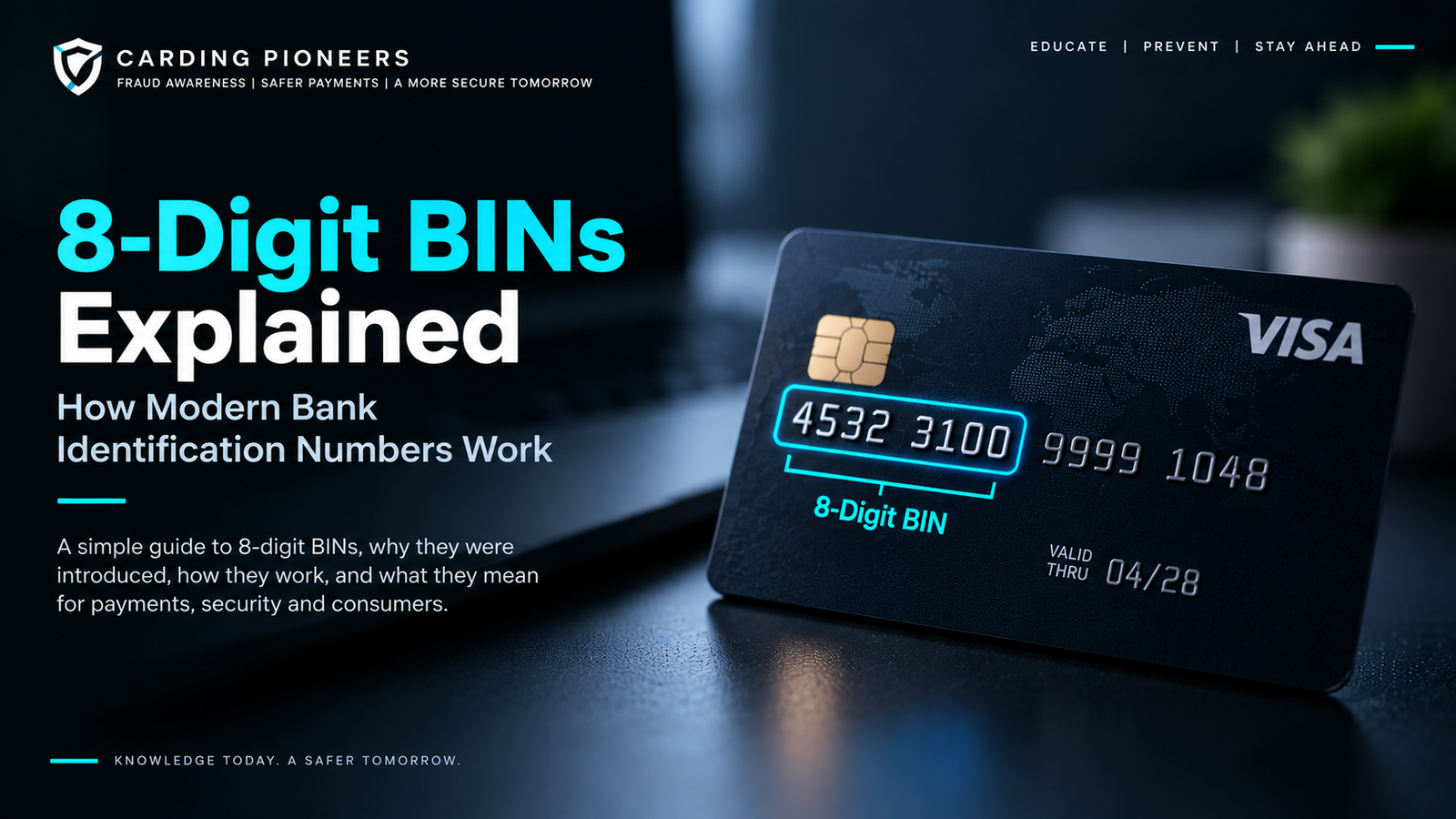
For decades, people working with card payments commonly described the first six digits of a payment card number as the Bank Identification Number...
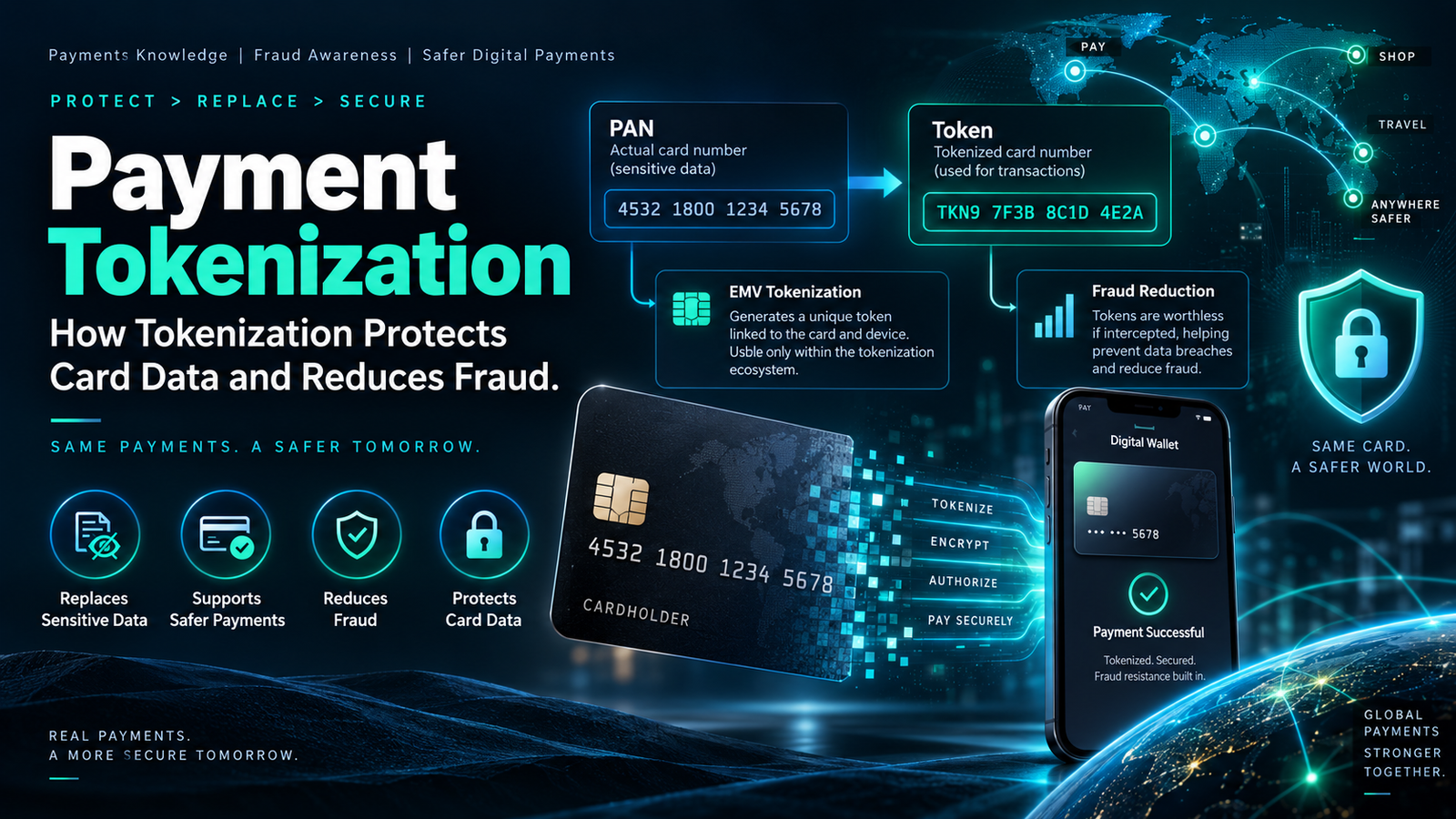
Payment tokenization replaces sensitive card numbers with limited-use digital tokens. This guide explains PAN tokenization, EMV payment tokens, n...

A BIN number, or Bank Identification Number, is the opening sequence of digits on a payment-card account number that helps identify the instituti...
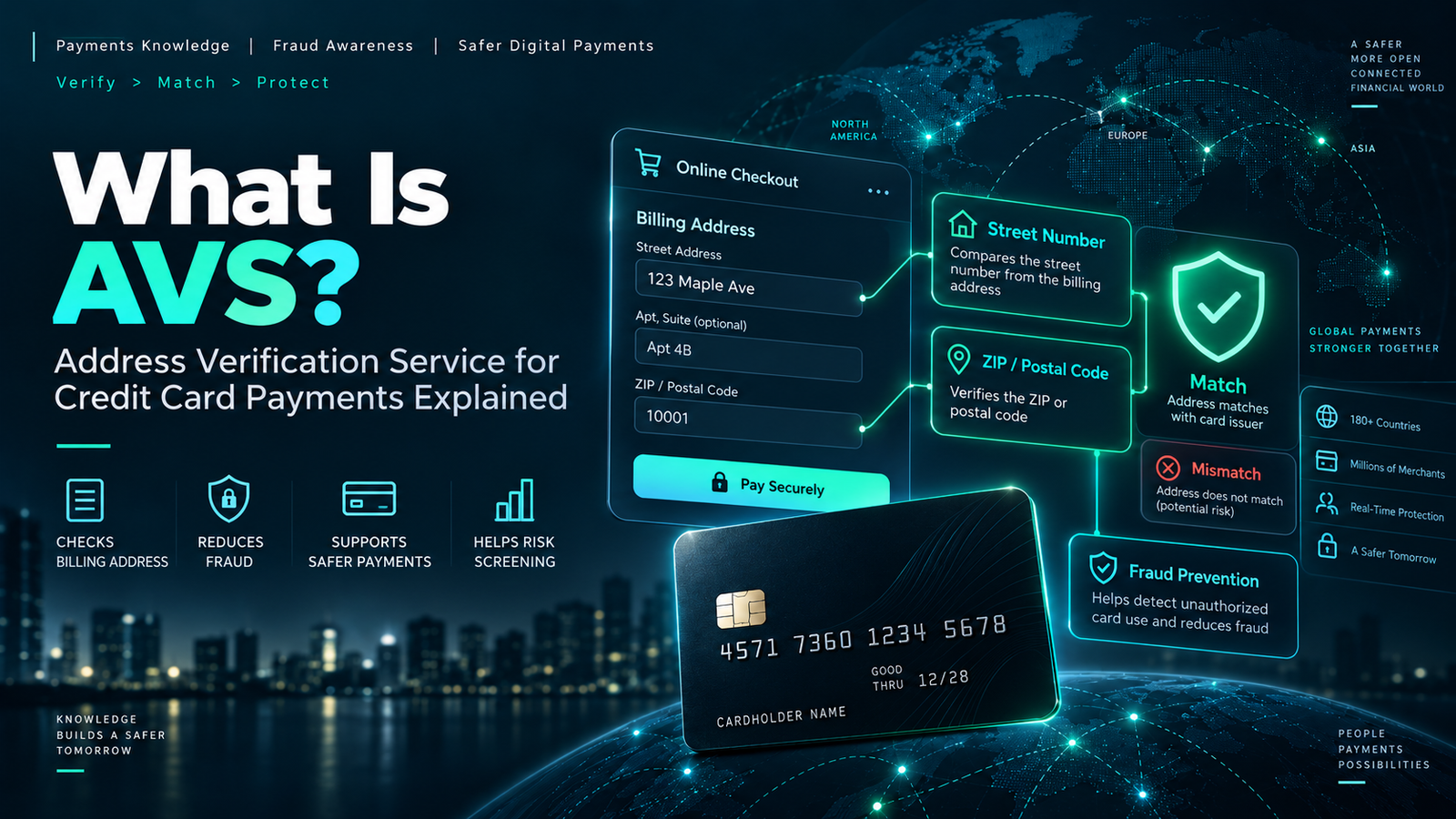
AVS, or Address Verification Service, compares billing-address information entered at checkout with address data held by the card issuer. This gu...
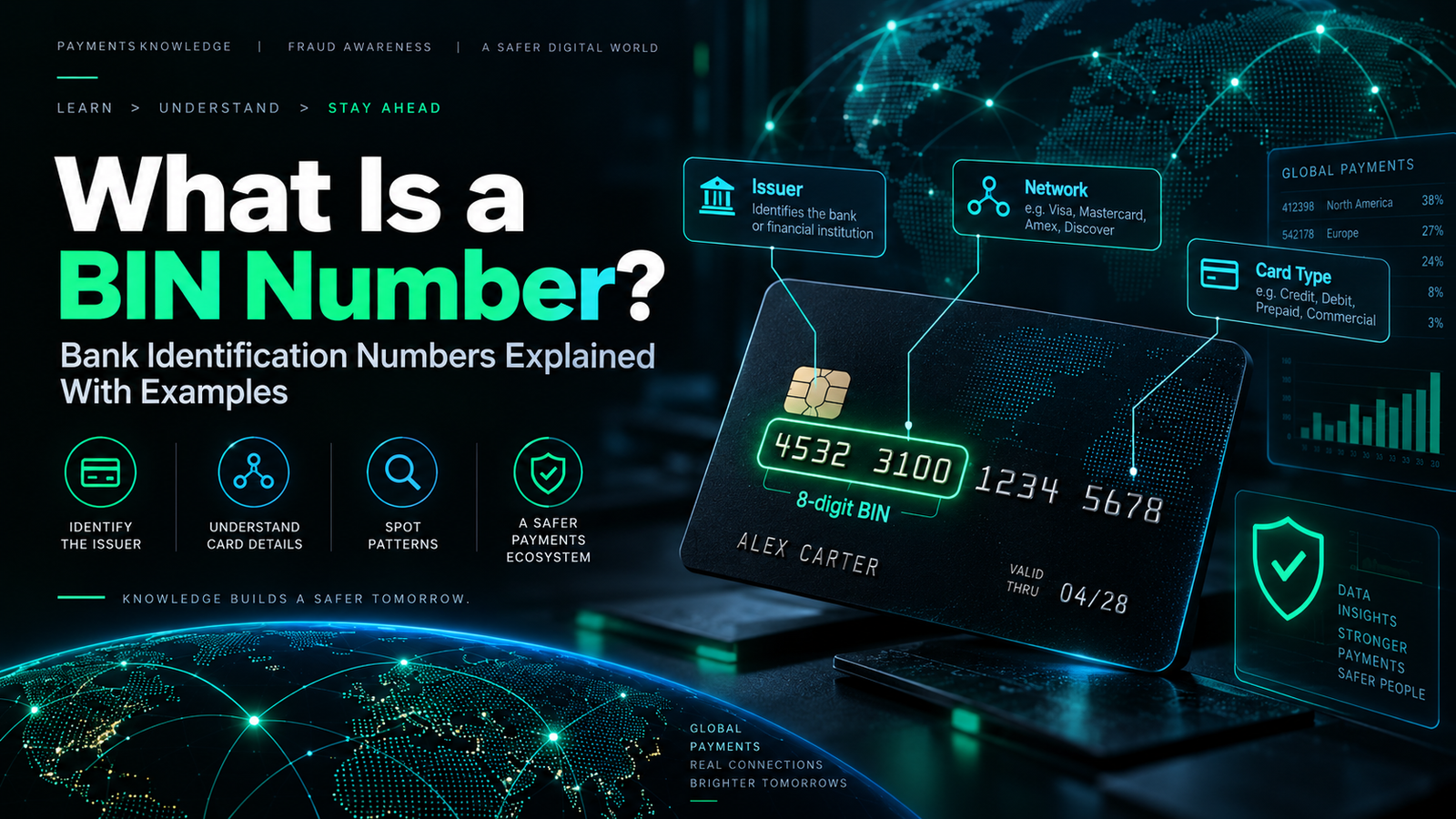
A BIN number is the identifying prefix at the beginning of a payment card number. BIN stands for Bank Identification Number. In modern standards,...

Merchant-Initiated Transactions, usually shortened to MITs, are an important part of modern subscription billing, utilities, insurance, mobility...